

 Latest editorial

 Prime Minister Andy Burnham leaves 10 Downing Street, London, September 1, 2026
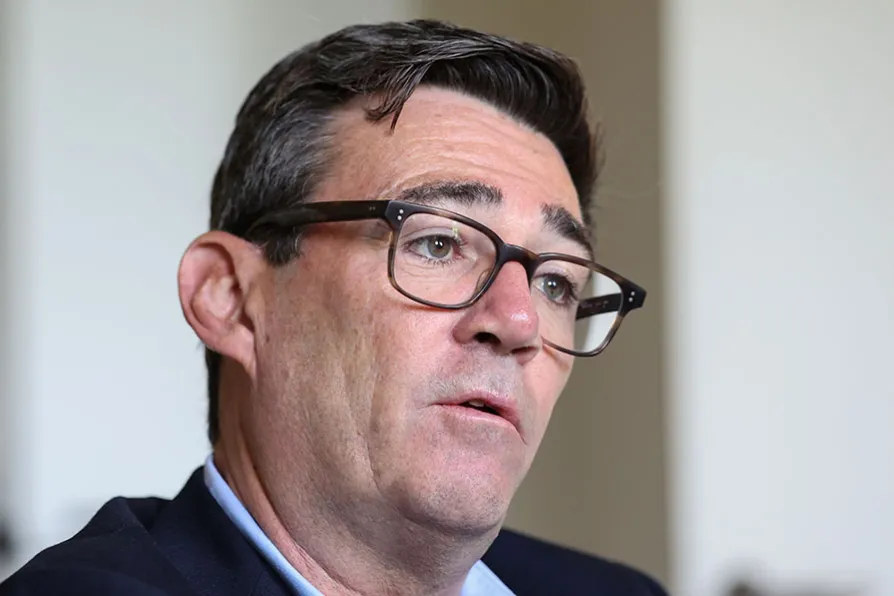





IF IT is too early to come to any rounded judgement regarding Andy Burnham’s programme and policies – that should wait until the budget next month — it is not too soon to express concern about his government’s course in relation to the vital issue of housing.
Here he is in danger of following Keir Starmer in under-delivering. One pledge after another has been discarded or diluted.
First, a suggestion of introducing a private-sector rent freeze was dropped without explanation.
This would have been a far more substantive measure to tackle the cost-of-living crisis than anything else the new government has announced, and would have indicated whose side Burnham is on – working people rather than rapacious landlords.
Second, a clear commitment to promote council housing has been watered down in favour of more amorphous concepts of social or “affordable” housing. Only three of the more than 30 bodies to get new government funding for construction are actually councils.
Yet it was the Thatcherite attack on council housing – forced sell-offs with revenue raised barred from being used to build replacements – that is at the root of today’s housing crisis.
Local authorities need to be empowered and resourced to tackle the problem, which is central to any plan to revive communities. Writing them out of the script also makes a mockery of Burnham’s signature commitment to devolution.
Now we learn that Labour’s manifesto promise to stop the sale of newly built housing to overseas investors is being dropped. Such homes often remain empty and unused while big business around the world watches their value appreciate.
The reason for the latest U-turn is bosses’ claims that stopping such sales would make many housing construction projects commercially unviable.
That is a capitulation to the capitalist outlook which treats homes as profit opportunities rather than places to live.
It follows the Starmer logic, which had no idea as to how to get more homes built beyond deregulating the planning system, a classic neoliberal non-solution. Results to date have been predictably unimpressive.
Angela Rayner, as housing secretary, has immediate responsibility for all of this. Before her departure from Starmer’s administration she had to her credit the introduction of a package of renters’ reforms, including a ban on “no-fault evictions” and restrictions on rent increases.
These are certainly welcome, but they do not in themselves build any extra houses. That requires far more purposeful government intervention than we have seen so far.
It is also welcome that Burnham has revived the old pledge first announced by Jeremy Corbyn to end rough sleeping, but a plan to give effect to that has yet to be announced.
The lesson of the last 40 years is that reliance on the market and private house builders leads to chronic shortages, as homes are built only for profit. That they are often left empty in the hands of millionaire investors just adds to the scandal.
The immediate issue is to give local authorities the resources they need to build for their own communities. If private contractors need to be used at all – and the direct labour organisations of the past cannot alas be recreated overnight – then they should be under strict local democratic oversight.
But none of this will happen without housing being assigned a greater share of government resources than at present. Making that shift is a test of Burnham’s sincerity in urging a break with the failed 40 years of neoliberalism.
The labour movement must place pressure on the Prime Minister and on Rayner to end the back-sliding on this issue, freeze rents, end house sales to overseas investors and get Britain building.

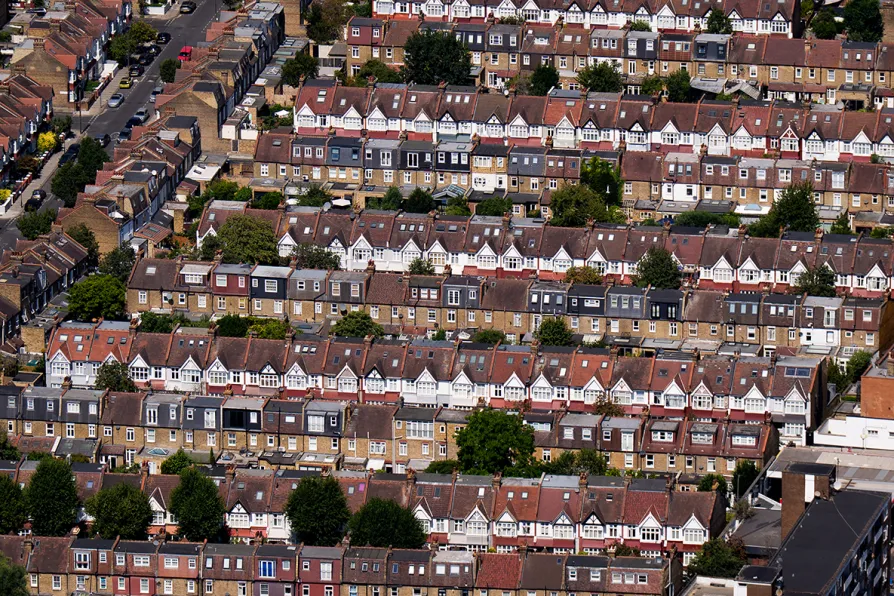
Social Housing Action Campaign blasts PM’s decision to break commitment to allocate 100% of Affordable Homes Programme to social rents

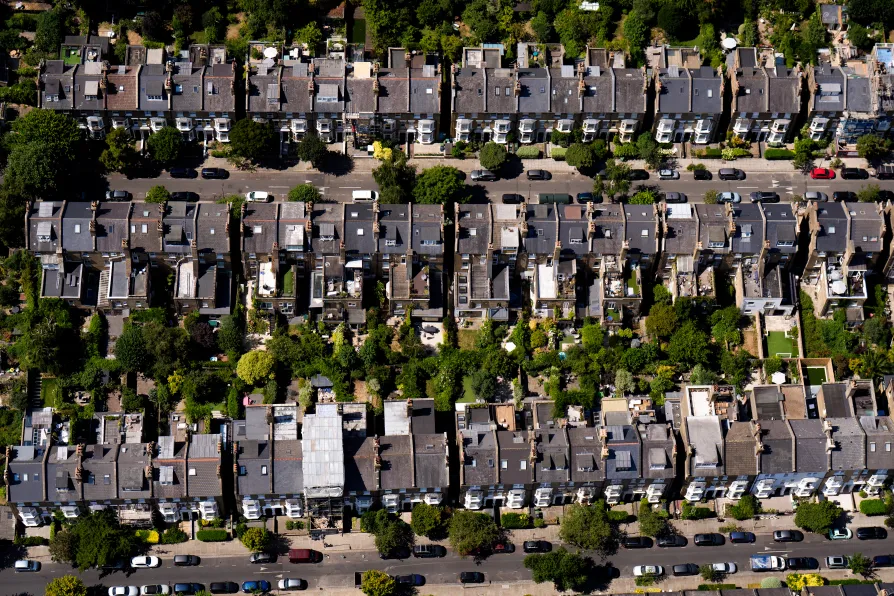
The new PM may offer more of the same, but early signs on his housing policies look promising, says GLYNN ROBBINS

‘Rent freezes are not a way forward at the moment,’ Housing Secretary Angela Rayner says