
The US administration is endangering lives by reversing environmental protection laws, CHAUNCEY K ROBINSON argues

Scots must reject false choice of public service cuts or fiscal reform
The SNP’s government programme for the next five years raises the threat of more cuts and attacks on the public sector, engagement with unions and service users is essential, argues ROZ FOYER
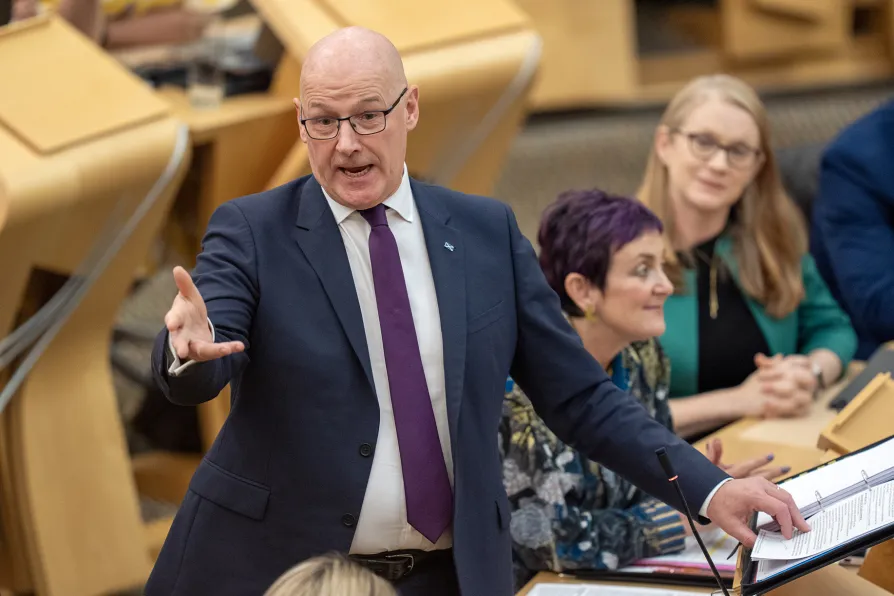
 Scottish First Minister John Swinney at the Scottish Parliament in Holyrood, Edinburgh. Picture by: Jane Barlow/PA Wire/PA Images. Thursday September 10, 2026.
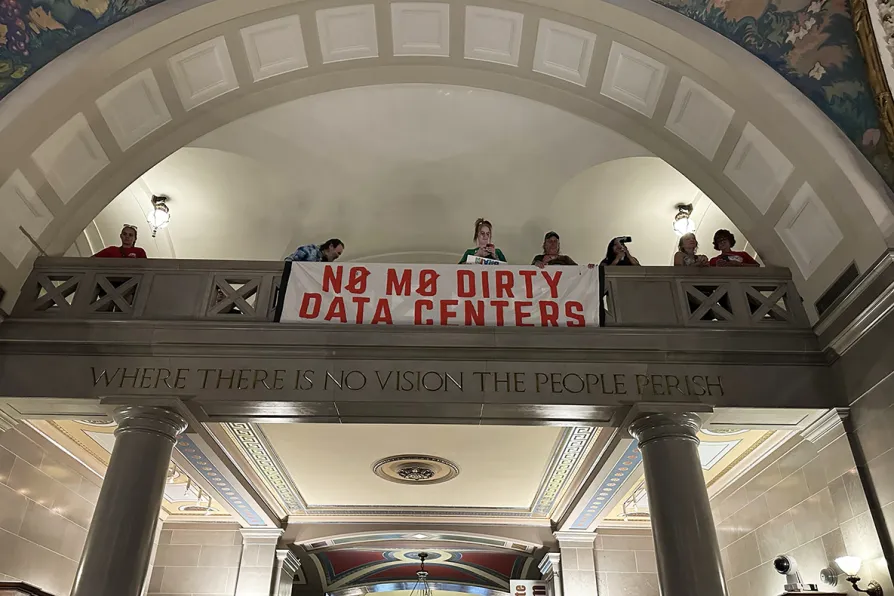
It’s time to stop retreating and go on the offensive to promote working-class interests, argues DOUG NICHOLLS
Marco Rubio wants to defeat socialism in Nicaragua, not restore ‘democracy,’ writes JOHN PERRY
Believe it or not, there was a time when the US government built beautiful homes for working‑class Americans to deal with a housing shortage, writes ERAN BEN-JOSEPH
DIANE ABBOTT provides an analysis of the reasons for EU and British voters’ dramatic swing to the right
Train drivers’ union Aslef general secretary DAVE CALFE speaks to Ben Chacko about his hopes that Burnham’s devolution agenda will include the importance of the railway





The First Minister and I can agree on one thing: Scotland’s public finances are under serious pressure.
Where we part company is on what comes next.
The answer cannot be to present Scotland with a choice between accepting cuts to public services and abandoning any hope of sustainable public finances. That is a false choice and it is at the heart of the Scottish government’s latest “programme for government.”
The Scottish government says Scotland faces a £5 billion gap in its public finances and that fundamental reform of the public sector is therefore required. But reform and cuts are not synonymous. Nor can we cut our way to economic growth.
If the Scottish government genuinely wants better public services, greater productivity and a stronger Scottish economy, it needs to invest in the people who deliver those services — not simply look for ways to remove them.
There is an obvious contradiction at the centre of the Scottish government’s approach. It is proposing some of the most sweeping changes to the architecture of Scotland’s public sector in decades, while simultaneously preparing for significant real-terms reductions in spending.
That is reform built on sand.
We know this because Scotland has been having this conversation for years.
The Christie Commission reported in 2011 during the SNP’s first period in government. Its central arguments were about prevention, early intervention and public services working together rather than operating in silos.
The principle was simple: spend earlier to prevent greater costs later.
For more than a decade, Christie has periodically been rediscovered by governments. At times its recommendations have been largely ignored; at others they have been presented as the blueprint for the future of public services.
There is an uncomfortable pattern here. Christie seems to become more politically attractive whenever public finances become more difficult.
But genuine reform of public services is rarely a quick route to savings.
Anyone who has ever undertaken a major restructuring exercise knows that change normally requires investment before the benefits arrive. You spend money on new systems, new ways of working, training, infrastructure and capacity because you expect that investment to produce better outcomes further down the line.
Yet the “programme for government” contains a series of sweeping structural proposals — from reducing the number of health boards, to possible changes to local government, to bringing social care closer to the NHS and merging public bodies.
These ideas may or may not have merit. But the Scottish government needs to explain exactly how they will improve services, what they will cost to implement, when savings will materialise and, crucially, what happens to the people currently delivering those services.
If the savings that must be, apparently, delivered immediately while the benefits of restructuring take years to emerge, then somebody has to carry the cost in the meantime.
We know who will carry the can.
Workers.
Previous attempts of public service reform should make everyone cautious about accepting grand promises at face value.
If the first act of “reform” is to remove tens of thousands of people from the public sector – potentially up to 20,000 over the next five years, then the Scottish government should have the honesty to call it what it is: a cut.
And it’s cuts we are opposed to. That’s not to say, however, that the trade union movement is opposed to reform. Quite the opposite.
Listen to the workers
Public services should work for those who use them — not the shareholders and stakeholders at the top.
Thus, if you want to improve a service, start by listening to the people who deliver it.
Scotland’s public-sector workforce understands how these organisations function because they work in them every day. They know where processes are wasteful. They know where money is being lost. They know which changes could make a difference.
They also know where staffing is already dangerously thin.
A teacher knows what happens when support staff disappear. A social care worker knows when they’re on the clock to deliver care within an insurmountable timeframe and turnaround. A local government worker knows what it’s like to operate within services that demand more with less resource.
That expertise should be at the centre of reform — it cannot be an afterthought.
I welcome the Scottish government’s commitment to engage with trade unions and its decision to rule out compulsory redundancies. Those commitments provide the basis for unions to enter discussions constructively and in good faith.
But engagement must mean more than sitting around a table while decisions have already been made elsewhere. In that sense, we offer a clear warning to the Scottish government: trade unions will not be used as a rubber stamp of approval, nor an engagement tool, for a predetermined programme of cuts.
If ministers genuinely want to understand how public services can work better, we are ready to have that conversation.
We estimate that around £3 billion a year is currently being lost from Scotland’s public services through outsourcing to the private sector.
Our council tax system remains based on property valuations dating from 1991, despite years of debate about replacing it with a genuinely proportionate system of property taxation. A new approach could raise up to £1 billion.
And then there are wealth taxes.
At a time when workers are being told that difficult choices are unavoidable, the question of whether those with the greatest capacity to contribute should pay more cannot simply be taken off the table because it’s politically or constitutionally difficult within the constraints of devolution.
These are not marginal questions. They go to the heart of the choices Scotland faces.
Let’s talk seriously about reform.
But if the Scottish government wants workers to show their workings, it needs to show us its own. Because Scotland cannot cut its way to growth, and it cannot cut its way to better public services.
A public sector stripped of the people who make it work is not reformed and Scotland deserves better than death by a thousand cuts dressed up as transformation.
So yes, let’s get around the table. But should the Scottish government stay its course, it’ll be workers around picket lines rather than tables.
Roz Foyer is general secretary of the STUC.

Similar stories


The question is not simply how much we spend on defence, but what we understand defence and security to mean, says SIMON BRIGNELL
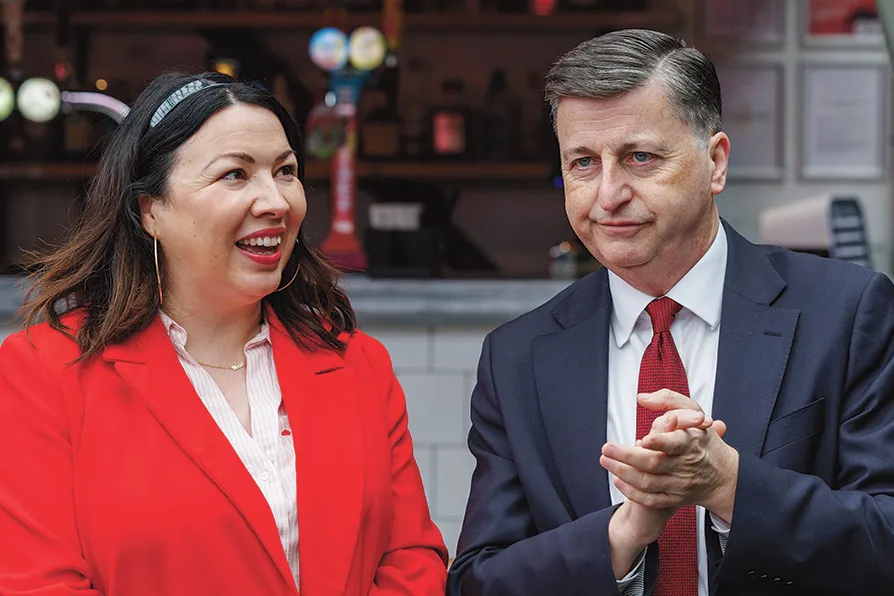
To govern again, we must first earn back the confidence of the people who founded our movement
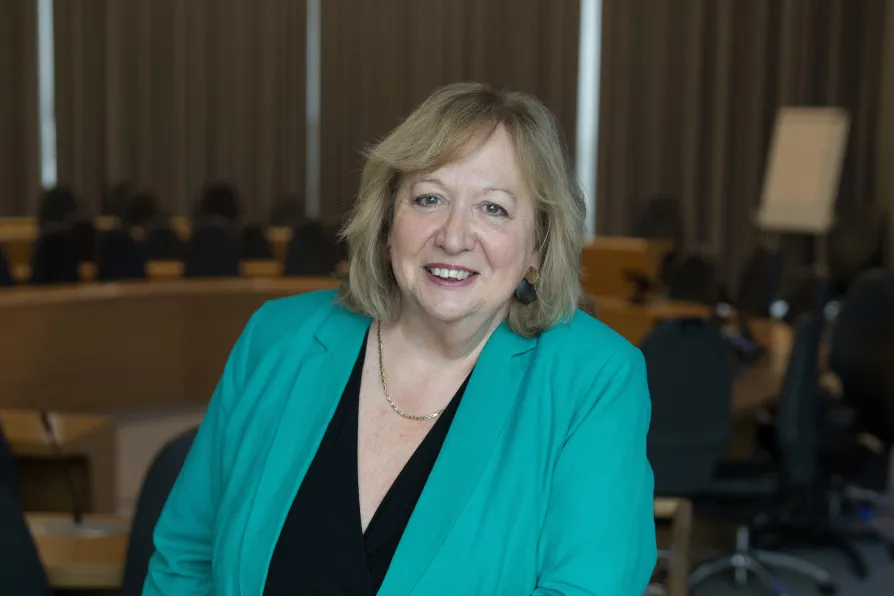
Roger McKenzie talks to general secretary of Unison CHRISTINA McANEA about the impact of the cost-of-living crisis on members, the local government funding emergency and the threat of Reform UK