

 Latest editorial






THE number of patients receiving care at home from community health nursing services in England has not changed in a decade, despite referrals rising by half, according to new analysis.
Researchers at the University of Hull found referrals rose from around 4,000 to 6,000 per 100,000 people between 2013 and 2024, while the number of patients cared for remained stable at 2,600-2,800.
The average time patients spent under community nursing care fell by almost two-thirds, from more than 150 days to around 50.
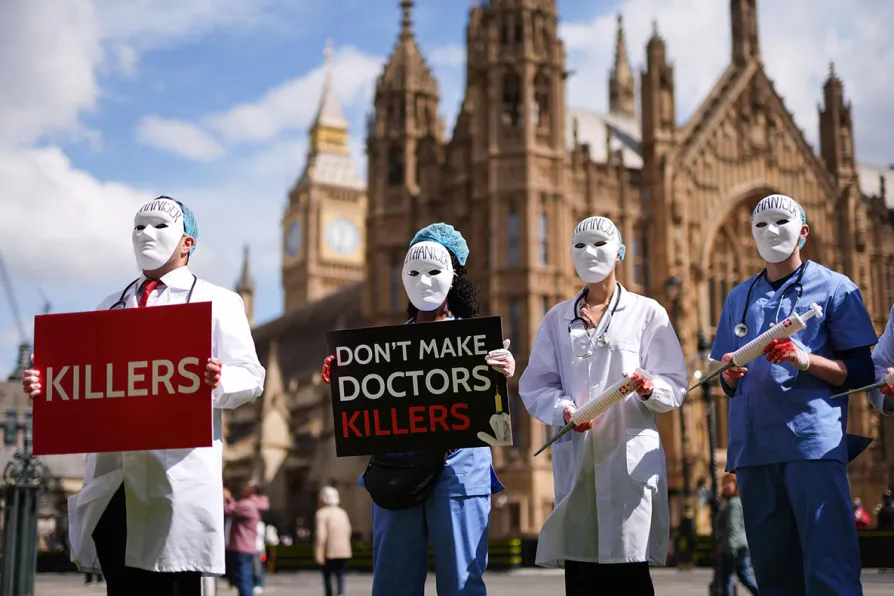
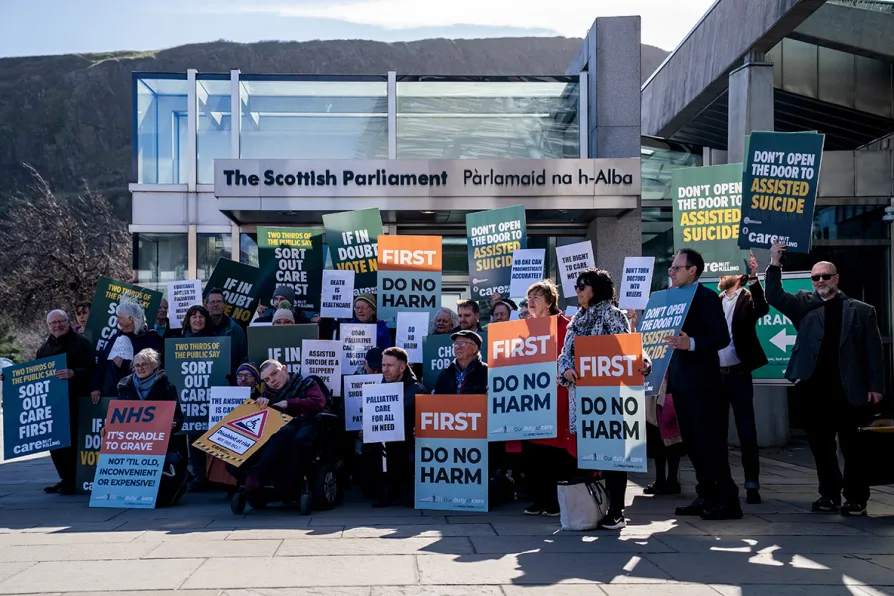
Study author Professor Fliss Murtagh said the findings support Prime Minister Andy Burnham’s view that palliative care must be fixed before any assisted dying law is considered.
“Many of the arguments towards assisted dying were about people dying with uncontrolled symptoms, and yet we know the majority of symptoms can be controlled if the care is there,” she said.
Research fellow Sophie Pask, who led the study, said nurses were “prioritising end-of-life care, increasingly responding to crises, often out of hours, rather than offering planned care,” indicating “a system under considerable pressure.”
Prof Murtagh added that without investment in the community nursing workforce, inequalities in end-of-life care would continue.


CLAUDIA WEBBE argues that Burnham’s U-turn on tackling greedy landlords has let the country down

With more people dying each year and many spending their final days in institutions, researchers argue that wider access to palliative care could offer a more humane and cost-effective alternative, write ROX MIDDLETON, LIAM SHAW and MIRIAM GAUNTLETT