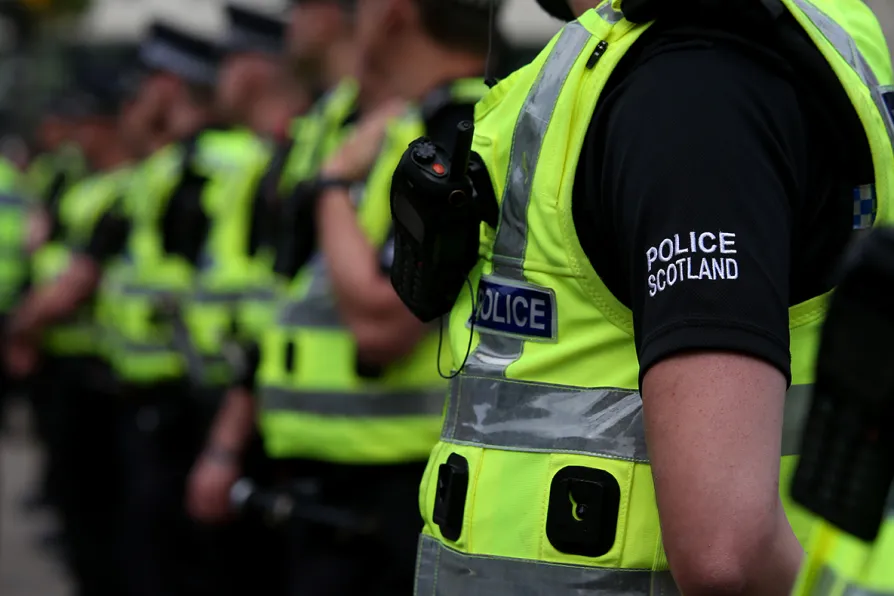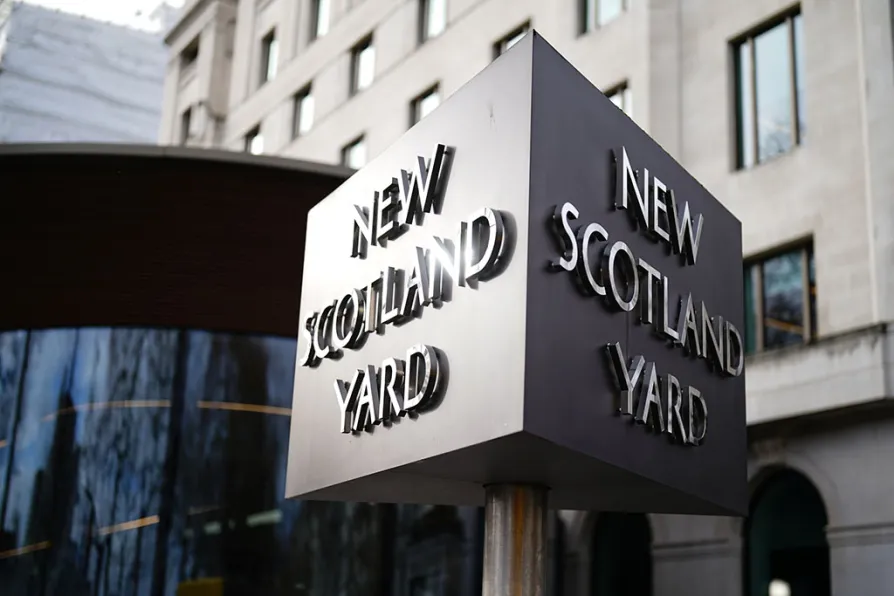







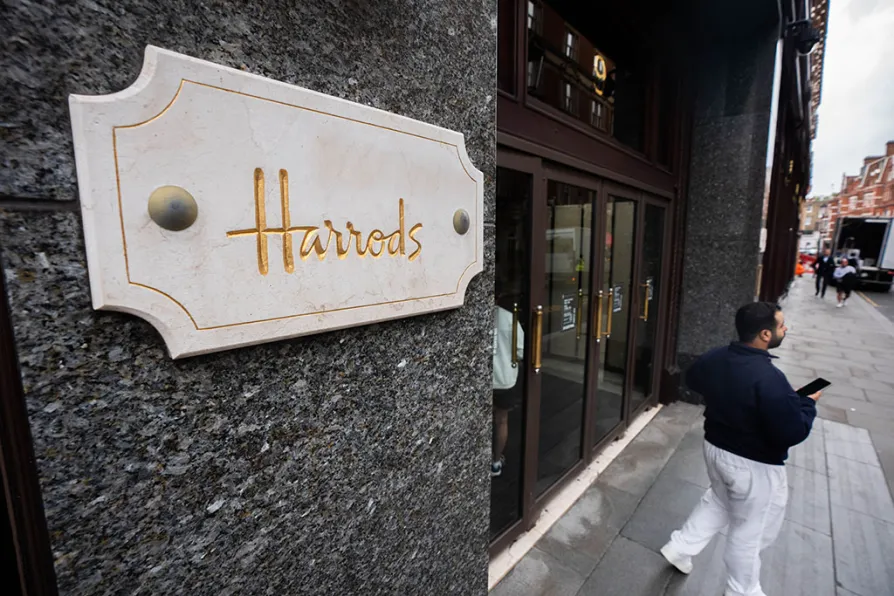
THE MET Police has been accused of failing in its legal duty to victims of human trafficking at the hands of billionaire Harrods owner Mohamed Al Fayed.
Survivors branded the force “reactive as opposed to proactive” yesterday after at least five survivors were confirmed by the Home Office as victims of modern slavery.
They received positive conclusive ground decisions from Britain’s official framework for identifying victims of modern slavery, the National Referral Mechanism (NRM).
Police and other first responders have a duty to refer children and consenting adults they have reasonable grounds to believe may be victims of modern slavery to the NRM, which allows victims to receive support.
Four survivors confirmed as victims of modern slavery said the Met failed in their legal duty to offer them a referral when they came forward.
They instead made self-initiated referrals through the NGO Unseen, which are able to make referrals as non-statutory first responders.
The Met did not offer referrals to anyone who came forward about Al Fayed until April 2026, survivors said.
One of them, known by the pseudonym Isabella, worked at Harrods in 2001 where she was trafficked. She reported her experience to the police in 2024, but the Met did not offer her a referral to the NRM.
After receiving a referral through Unseen, she said: “Survivors had to force the state to recognise trafficking in a case the Met now says had trafficking always at its heart.
“Referring suspected victims to the NRM is a statutory duty, it’s not optional. That duty is triggered the moment that trafficking is suspected, not when it’s proved.
“The legal duty is that it should be made promptly, and the threshold is low: reasonable grounds to suspect, no definitive proof needed.”


The Met Police's refusal to act against British nationals accused of war crimes in Gaza is a green light for Israel's genocide, writes CLAUDIA WEBBE