Latest editorial
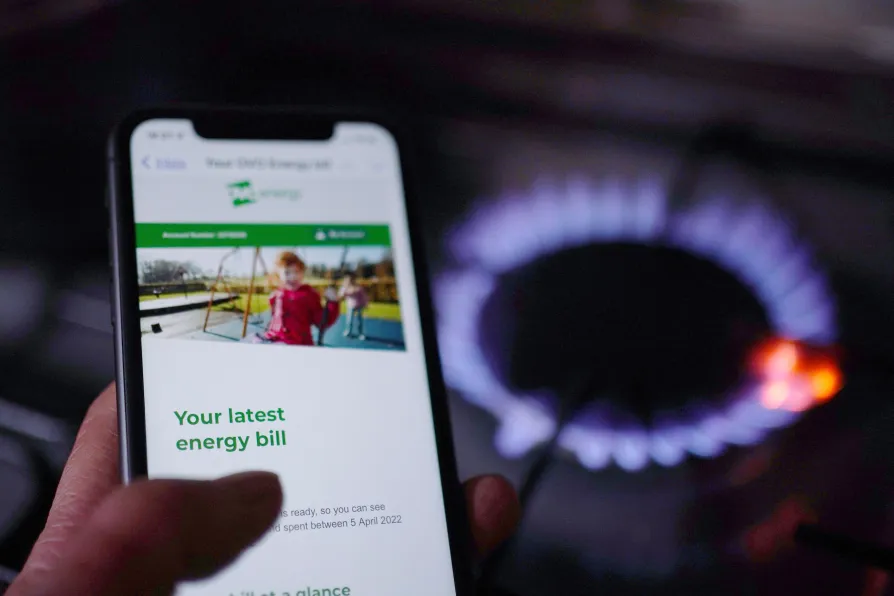






LOWER energy use figures mask a nation divided between energy savers and energy strugglers, campaigners have warned, as new data reveals how households are responding to rising costs.
Since 2023, 36 per cent of the public have taken energy efficiency measures without having to cut back on usage, while a further 32 per cent have both taken efficiency measures and cut back due to cost, according to polling by Opinium for the End Fuel Poverty Coalition.
Scotland, the West Midlands and Wales were among the areas most likely to report cutting back due to higher prices.
The findings come as Ofgem lowers its estimate of how much energy a “typical” household uses — the figure the headline price cap is build on.
Because the regulator now assumes people use less energy, the headline number can fall even as unit prices rise, campaigners warned.
Next week’s price cap announcement is expected to show gas unit rates rising by around 22 per cent year-on-year due to the US-Israeli war on Iran.
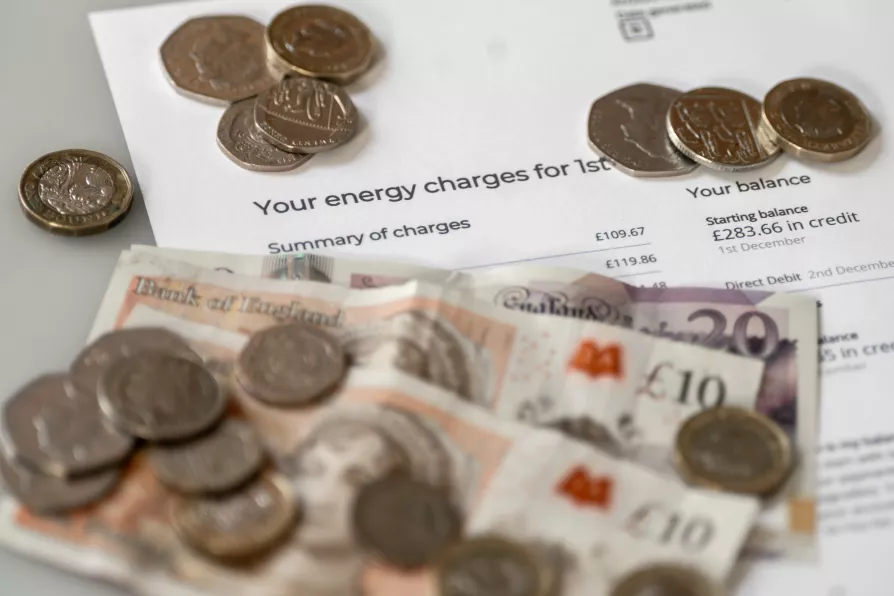
Combined with other changes, the typical bill on a like-for-like basis will be higher than last winter, and around 83 per cent above the pre-crisis average of £1,042 in winter 2020-21.
Energy firms’ profits on British operations have already exceeded £6 billion in 2026.
Coalition co-ordinator Simon Francis said that while some reduction of energy use “could be a good thing,” he said: “Sadly, for many households, reductions in energy use have happened simply because people cannot afford to use as much energy as in the past.
“That means that some are demonstrating dangerous behaviours such as cutting back on washing and for one in 10 members of the public, skipping hot meals to save on energy.
“Many also told the researchers that they have borrowed money to pay for energy.
“The fact remains that gas prices are rising again, and using the same energy as last winter will cost most homes more and of course, bills are hundreds of pounds a year more than six years ago.
“The reliable indicators of what is actually happening to household energy prices are the unit rates and standing charges, not the headline average.”
The coalition has written to ministers calling for reduced electricity pricing, an enhanced Warm Home Discount, a reformed Cold Weather Payment and an energy debt relief scheme for the winter.
Energy Action Scotland chief executive Frazer Scott said that it has always been difficult to “compare Ofgem’s ‘average’ household consumption levels with what a household actually needs to stay safe at recommended levels of thermal comfort.”
“But if that typical figure has never matched safe consumption in the first place, then watching it fall tells its own story,” he said.
“It is not necessarily a sign that homes are becoming more efficient, it is a warning that people are being forced to use less than they safely should.”
Uplift deputy director Robert Palmer said: “Hard-up Brits are dreading next week’s price cap announcement.
“The transition to renewable energy needs to go faster and be available to all, with government help for those who cannot afford it.
“We need to see real change and we need to see it soon.”
Fuel Poverty Action’s Jonathan Bean said: “Cutting the assumed consumption doesn’t make homes any warmer or bills any more affordable.
“It simply widens the gulf between the number the public sees and the amount people actually have to find to keep their homes warm in winter and cool in summer.”

TUC calls for tax increase on bank profits to pay for social tariff to cut household bills