ROB WARZYNIAK wades knee deep through a pile of ‘dead canaries’ of Trumpist policies which exacerbated the horrors of US capitalism domestically


 Latest editorial

Fidel Castro at 100: A Centenary of Legacy and Solidarity
by Her Excellency Ismara Mercedes Vargas Walter, Ambassador of the Republic of Cuba to the United Kingdom
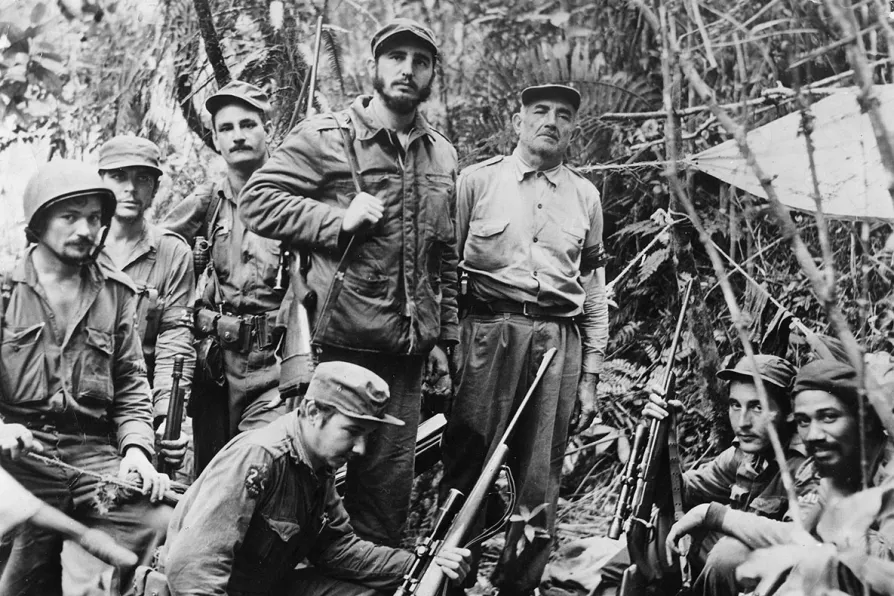 Fidel Castro and his men in the Sierra Maestra, December 2, 1956
Without evidence or Nato consultations Berlin’s answer to the Leipzig incident is a rupture of relations. SEVIM DAGDELEN examines why
FRANCISCO DOMINGUEZ introduces the background to a conference on defending Latin America’s sovereignty
The glacier collapse in Nepal is yet another warning that a warming planet is making Himalayan disasters more frequent and destructive – but the countries facing the greatest risks are often those least responsible, says LI YANG
Nick Blair is set to benefit from a hugely lucrative contract to ‘virtually’ train the British army for its next war. Like father, like son, writes SOLOMON HUGHES
Even when tragedy strikes, Western media cannot resist the opportunity to turn it into a sordid propaganda opportunity, as the Nepal-China border tragedy shows, writes CARLOS MARTINEZ
Trade unions should be at the heart of the anti-racist push for reparations for the historic legacy and continuing impact of slavery, writes ROGER McKENZIE





ONE hundred years ago today, in the small eastern town of Biran, a child was born who would go on to lead his country through a revolution.
Fidel Castro was 26 years old when he first stood before a court in Santiago de Cuba and, facing prison for leading an attack on the Moncada Barracks, told his accusers that whatever they did to him, history would absolve him. He was right.
But the history that has absolved him is not a settled, finished thing. It is being written this week, in the blackouts our people are enduring, in the medicines our hospitals cannot find, and in the solidarity that friends in Britain continue to show us.
In 1961, in a single year, Cuba sent tens of thousands of young volunteers into the countryside and declared itself free of illiteracy.
It was one of the fastest literacy campaigns the world had seen, and it set the pattern for everything that followed: universal healthcare and universal education, both free at the point of use, sustained for six decades against the weight of the world’s most powerful economy and its blockade.
Cuba has trained more doctors per head of population than almost any country on Earth, and it has sent them abroad, to Angola, to Pakistan after the earthquake, to west Africa during Ebola, to wherever they were needed and could not otherwise be afforded.
That is Fidel’s legacy in the most concrete sense: not a monument, but a clinic that is open and a school that is free.
The internationalism Fidel championed was never limited to Cuba’s borders; it was a commitment to the global struggle against oppression in all its forms.
This was most powerfully evidenced in Cuba’s decisive support for the anti-apartheid movement in South Africa. Nelson Mandela often spoke of how Cuba’s military victory at Cuito Cuanavale served as a turning point that helped break the back of the apartheid regime.
Today, that same spirit of solidarity is called upon as the world witnesses the ongoing genocide in Palestine. The parallels between the historic struggle against apartheid and the current suffering of the Palestinian people are stark and undeniable. In the face of such immense human suffering, the debt to humanity that Fidel spoke of is more urgent than ever, reminding us that true solidarity means standing with those who resist erasure, wherever they may be.
That legacy is under direct assault right now. In parts of Cuba, families are living with up to 20 hours of blackout a day.
Essential medicines are running out. Tens of thousands of operations, procedures that would be routine anywhere else, sit postponed for want of electricity and supplies.
None of this is accidental. It is the foreseeable result of a blockade that has been tightened, not loosened, this year: new secondary sanctions on our tourism ministry, an executive order that threatens to freeze the assets of anyone, anywhere, judged to be supporting Cuba’s government or economy.
Every November, the United Nations general assembly votes to condemn it. The blockade does not have the world’s support. It does not even have the support of the country that imposes it, if you ask most ordinary Americans. It survives on inertia and on the votes of a handful of states in Washington.
Britain’s record of solidarity with Cuba is one Fidel himself would have recognised and valued. Early Day Motion 2739 against the latest US sanctions was signed by 117 members of this Parliament, across parties.
Dozens of general secretaries of British trade unions have written jointly to condemn those same measures. Jeremy Corbyn MP secured an urgent question in the Commons to put Cuba’s humanitarian crisis on the parliamentary record, and in March he and Richard Burgon MP travelled with the Nuestra America convoy to deliver medical supplies to a cancer hospital in Havana that was working through blackouts as it did so.
The Cuba Vive appeal, organised by the Cuba Solidarity Campaign and its supporting unions, has now raised over half a million pounds and sent 15 containers of medical and food aid to Cuba.
Despite a change in government, Britain has consistently voted in Cuba’s favour at the United Nations every year since 1996. This is not insignificant, and it is not something we take for granted.
The blockade is a policy that reaches a 90-year-old grandmother waiting for dialysis and a seven-year-old child waiting for cancer treatment. Ask yourself what threat they pose to the United States.
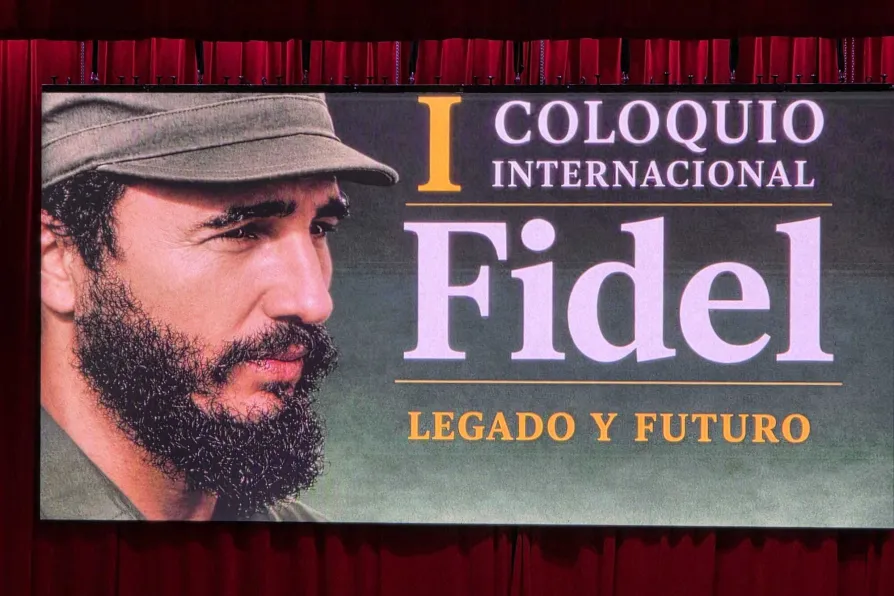
This week, in Havana, an international colloquium is bringing together activists, scholars, diplomats, and former heads of state and government from across Latin America, the Caribbean, Africa, and Europe to discuss what Fidel’s life means for the future, not only the past.
Here in London, we mark the same date at Hamilton House, with diplomats, trade unionists, parliamentarians, and friends.
Fidel spent his life arguing that solidarity between peoples is not sentiment but strategy, the only strategy small nations have against powerful ones.
One hundred years after his birth, that argument has lost none of its power. To honour it, support international solidarity and contribute to the Cuba Vive appeal.
Don’t let this centenary pass without acknowledging its importance. Cuba is still here, still standing, and still in need of the solidarity that Fidel always taught us to show.

Similar stories
On its revolutionary founder’s 100th birthday, Cuba remains the revolution that ‘does not give up’ and socialism humanity’s only hope of avoiding the abyss
ALEX GORDON and LORRAINE DOUGLAS report from Havana, Cuba, where they represented the Communist Party of Britain at the 24th International Meeting of Communist and Workers’ Parties on August 7-8
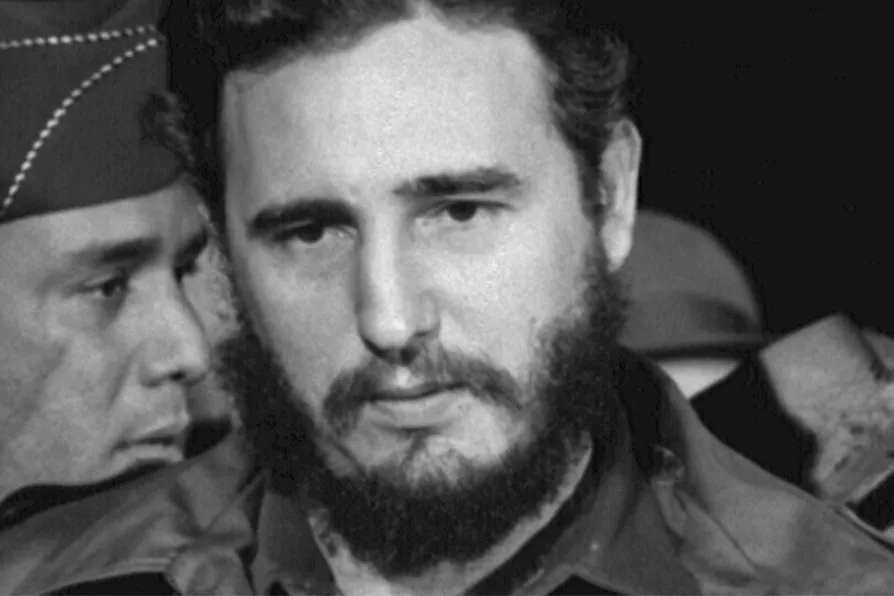
The best tribute to Fidel is to stand with the Cuban Revolution today as the Trump regime tries to starve it to death, argues Cuba Solidarity Campaign communications manager NATASHA HICKMAN
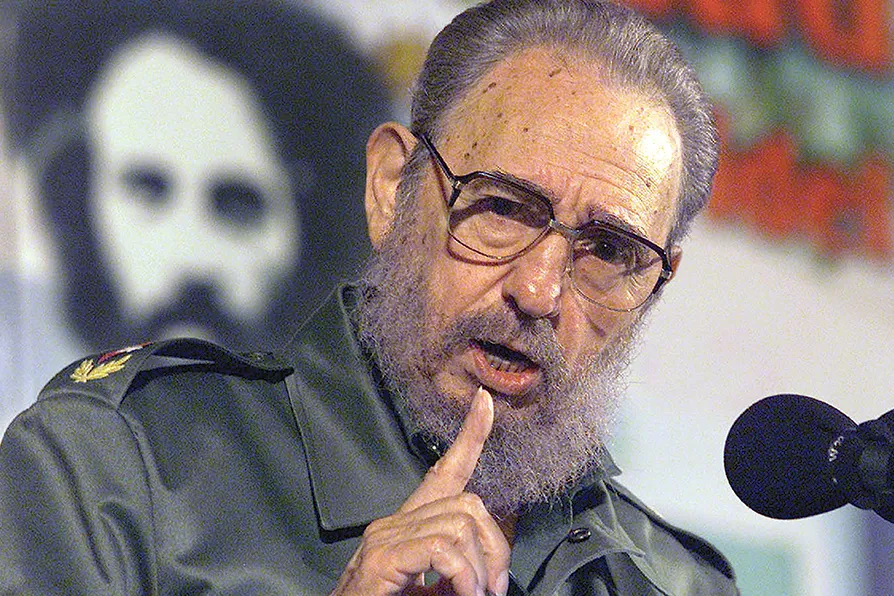
DR STEPHEN WILKINSON assesses the life and legacy of a revolutionary giant