ROB WARZYNIAK wades knee deep through a pile of ‘dead canaries’ of Trumpist policies which exacerbated the horrors of US capitalism domestically


Why we should oppose the Immigration and Asylum Bill
Labour cannot win another election by accommodating racism, instead it should focus on finding solutions to social concerns that too often seek scapegoats, writes DIANE ABBOTT
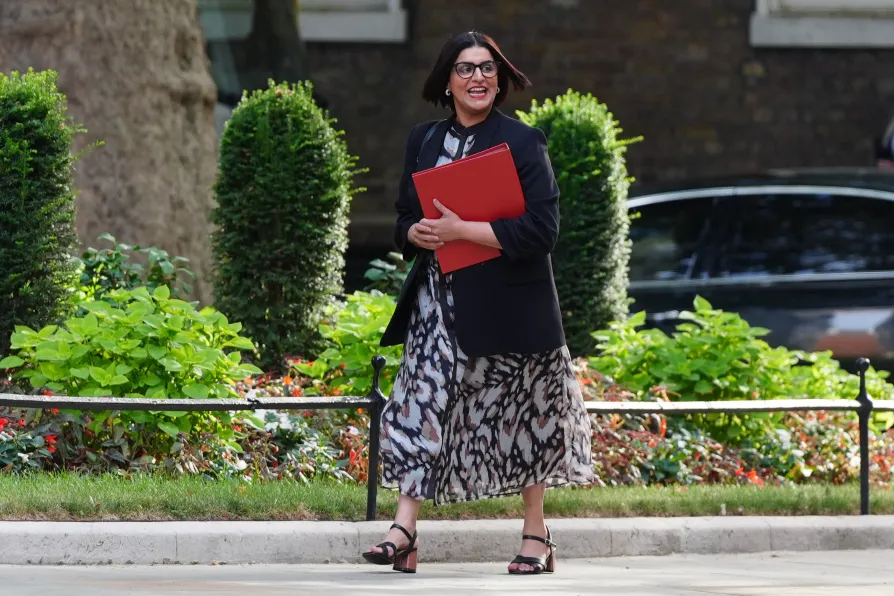
 Home Secretary Shabana Mahmood

Without evidence or Nato consultations Berlin’s answer to the Leipzig incident is a rupture of relations. SEVIM DAGDELEN examines why
FRANCISCO DOMINGUEZ introduces the background to a conference on defending Latin America’s sovereignty
The glacier collapse in Nepal is yet another warning that a warming planet is making Himalayan disasters more frequent and destructive – but the countries facing the greatest risks are often those least responsible, says LI YANG
Nick Blair is set to benefit from a hugely lucrative contract to ‘virtually’ train the British army for its next war. Like father, like son, writes SOLOMON HUGHES
Even when tragedy strikes, Western media cannot resist the opportunity to turn it into a sordid propaganda opportunity, as the Nepal-China border tragedy shows, writes CARLOS MARTINEZ
Trade unions should be at the heart of the anti-racist push for reparations for the historic legacy and continuing impact of slavery, writes ROGER McKENZIE





SHABANA MAHMOOD’S Immigration and Asylum Bill is coming back to Parliament. It will not improve either the immigration or asylum systems in this country. Instead, it will remove people’s fundamental rights, increase the demonisation of both immigrants and asylum-seekers and play into the hands of the anti-immigrant right.
The idea seems to be that this type of legislation will appeal to Reform UK voters. The truth is that it will undermine us with Labour’s natural supporters. The far right is on the rise all over western Europe, with unprecedented support from billionaires like Elon Musk.
There has never been a more frightening time to be an immigrant or asylum-seeker. In some ways the society is going backwards on race and related matters.
The tragic suicide of Professor Jason Arday has made many black people consider our position in the society. Labour should be standing up for fairness, not allowing Reform to frame our policies on race, immigration and asylum.
The Bill itself was drawn up in the Starmer era. Keir Starmer and his right-hand man Morgan McSweeney were entirely focused on losing the votes of what McSweeney described as “hero voters” to Reform.
The truth was that Labour was losing far more votes on the left to the Liberals, the Greens and the nationalist parties than to the right. Given that the evidence was clear you have to speculate that chasing after Reform voters disclosed an affinity to its politics.
The rights of asylum-seekers and other human rights were curbed as recently as November 2025. Just a few months later the Home Secretary has returned with even more draconian curbs on those rights.
This is a pattern we have seen or some time. The false cliche was that “we can never talk about immigration.” In the past 20 years, there have been nine major Acts of Parliament in this area. No sooner is the ink dry on one Bill, then along comes another. This is bolstered by innumerable statutory instruments and changes to Home Office rules.
The truth is that far from the society “never talking about immigration” media discussion, political debate and government time is consumed by little else. This is the role of distraction and divide and rule that immigration debates play in a stagnant economy and a society which reflects that, where no genuine solutions to the crisis are permissible.
There are four main aspects to the Immigration and Asylum Bill, each one of them deplorable. This first is to remove judges from the immigration appeals process. The second would effectively remove the protections of human rights law. The third is a complete change in the position of refugees, which makes their status temporary and conditional.
Lastly, the existing laws on modern slavery and nationality are being revised despite some of the legislation being as recent as 2022. The effect is to severely undermine the protections against modern slavery, which are already too weak.
There is a key reason for removing judges from the immigration appeals process. Ordinarily, well over half of all immigration appeals are successful, which is a damning indictment of Home Office practices.
A reasonable government, let alone one promising a new broom, would seek to correct the inaccuracies and injustices of the Home Office at source. Instead, the victims will face non-independent panels of adjudicators to rule on their cases.
One of the reasons so many appeals are successful is because the Home Office initial rulings breach international human rights law, specifically Article 8 of the European Convention on Human Rights and the right to a family life.
Contrary to the claims of reactionary anti-migrant forces, the ECHR was established as a product of the successful struggle against the Nazis at the end of World War II, with Winston Churchill’s imprimatur. The right to a family lie is central to that, as authoritarian regimes everywhere treat people as chattels, to be moved and separated at will.
The proposed change to the status of refugees is a very grave step. The rights of refugees predate modern society and have lasted at least since medieval times. Anyone with the genuine status of a refugee has to be granted the associated rights. The Immigration and Asylum Bill would change all that. In an open invitation to reactionary governments of the future, refugee status can be granted and later withdrawn.
Countries can also be later declared safe, despite refugees fleeing or the lives. Refugees may also be asked to pay towards their accommodation, despite being forbidden to work while their claim in being processed.
There are also a whole series of changes to the laws applying to modern slavery. Possibly the most dangerous change is to the National Referral Mechanism which is to be amended so that the authorities can rule on a person’s credibility when deciding whether they are a victim of modern slavery or trafficking.
It is a very dangerous and pernicious step to grant police or immigration officers the power to decide on anyone’s credibility, especially in matters affecting deportation, modern slavery and, potentially life and death.
It should be clear that individual measures in the Bill make it unacceptable. Taken together it makes the Bill objectionable.
It will almost certainly come under challenge in the courts, especially as it seems to breach provisions of the European Convention on Human Rights. Should the government lose one or more of those of those challenges, it will have painted itself into a corner along with all those calling for the Britain to withdraw from the ECHR altogether, including Kemi Badenoch, Nigel Farage and Rupert Lowe.
The ECHR applies to us all. If a future government tries to ban protests, or strikes it does not want, we could still appeal to the ECHR. But not if Britain has withdrawn from it. It is in all our interests to uphold the convention.
The politics of all this are also straight forward. Reform is on the ropes, the Tories are flatlining and there is some Burnham bounce. The easiest way to hand back the initiative to Labour’s enemies (and deter our own supporters) is to promote the centrepiece of our enemies’ politics, which this Bill does.
Labour will not win the next general election by being a watered-down version of Reform. It also runs the risk of losing the votes of erstwhile supporters in the cities. Labour supporters were strongly opposed to Starmer’s position on Gaza; that Israel had the “right” to cut off water and energy to the territory.
This resulted in previously solid Labour constituency’s returning independent MPs.
Too many people seem to think that this is an aberration, and those voters will naturally come back to Labour. On the contrary, if Labour does not reconsider its quasi-Reform policies on immigration and asylum, it runs the risk of losing even more inner-city voters at the next general election.
Diane Abbott is MP for Hackney North and Stoke Newington and mother of the House of Commons. She writes this column fortnightly.

Similar stories
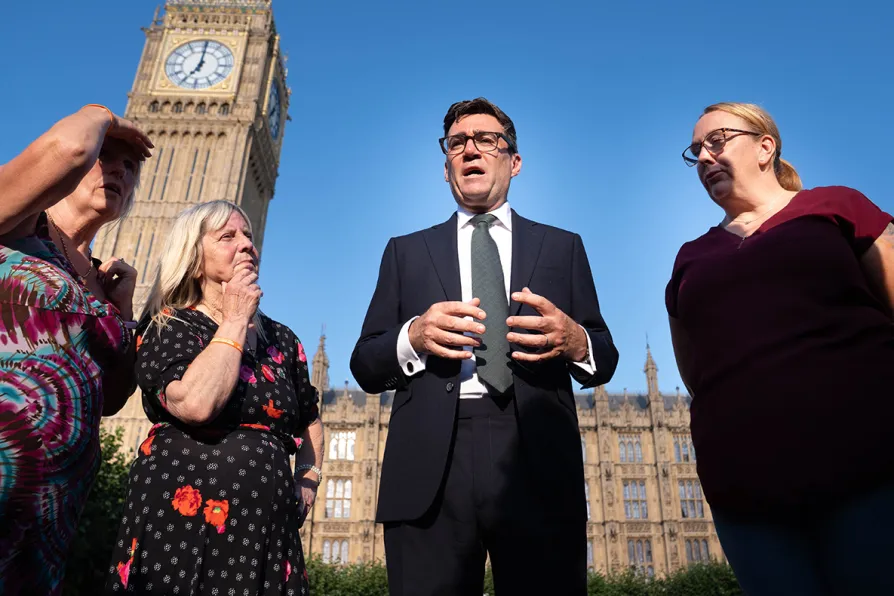
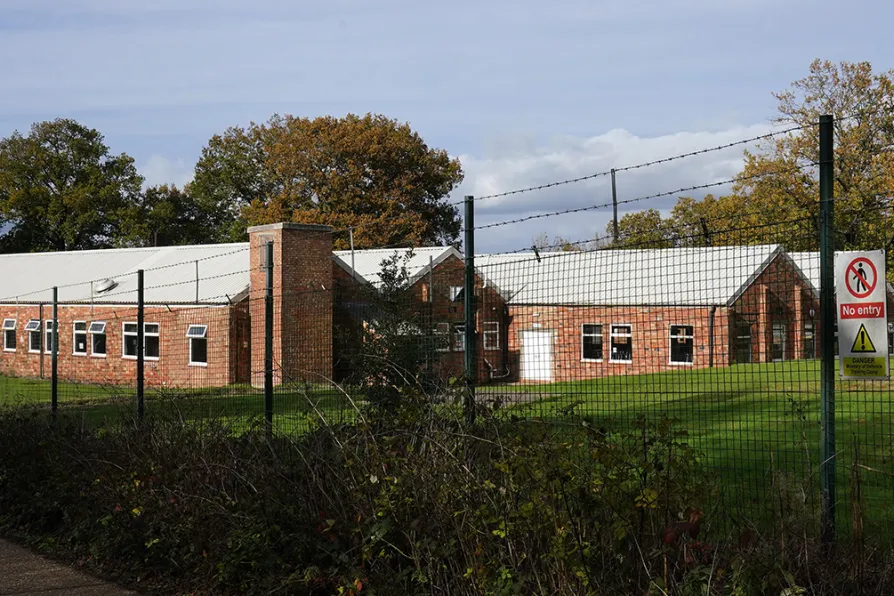
The government’s latest asylum proposals abandon labour movement values and fuel division by aping Reform UK, writes DIANE ABBOTT MP
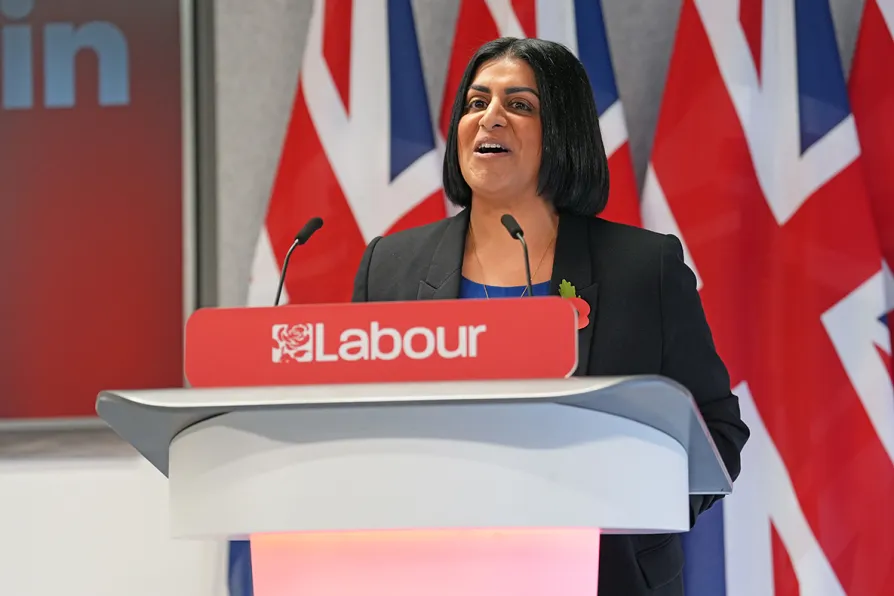
DIANE ABBOTT warns that Shabana Mahmood’s draconian asylum proposals fuel racist scapegoating and risk demoralising Labour’s base – potentially paving the way for Farage to No 10