
PETER MASON applauds the revival, 39 years later with the same team and cast, of Manfred Karge’s version of Brecht’s 100-year-old play, Mann Ist Mann

Who were the Scythians?
JOE GILL marvels at the history of a highly complex nomadic and hunter/gatherer society without a hierarchical class system
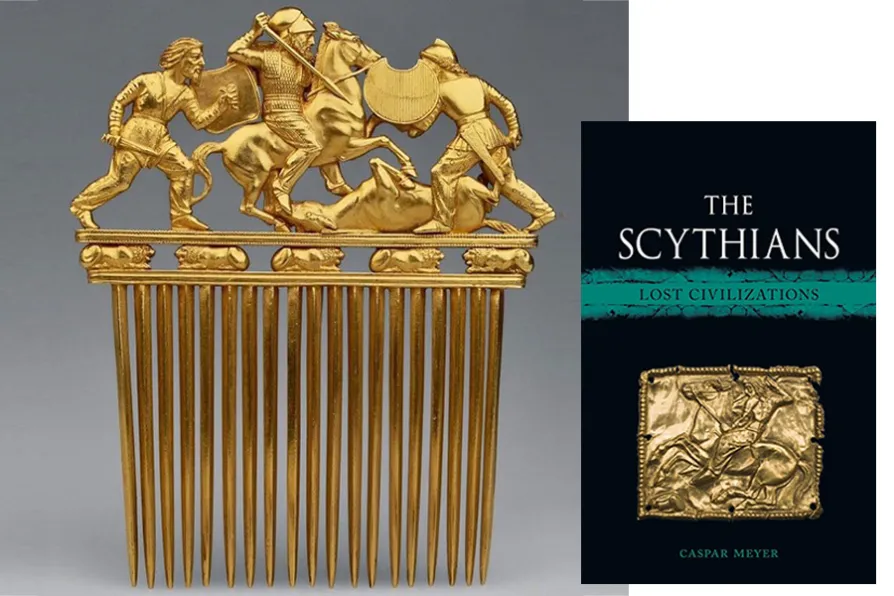
 STUNNING CRAFTSMANSHIP: Scythian comb, Soloha Kurgan, Hermitage museum, St Petersburg, Russia [Pic: Public Domain]
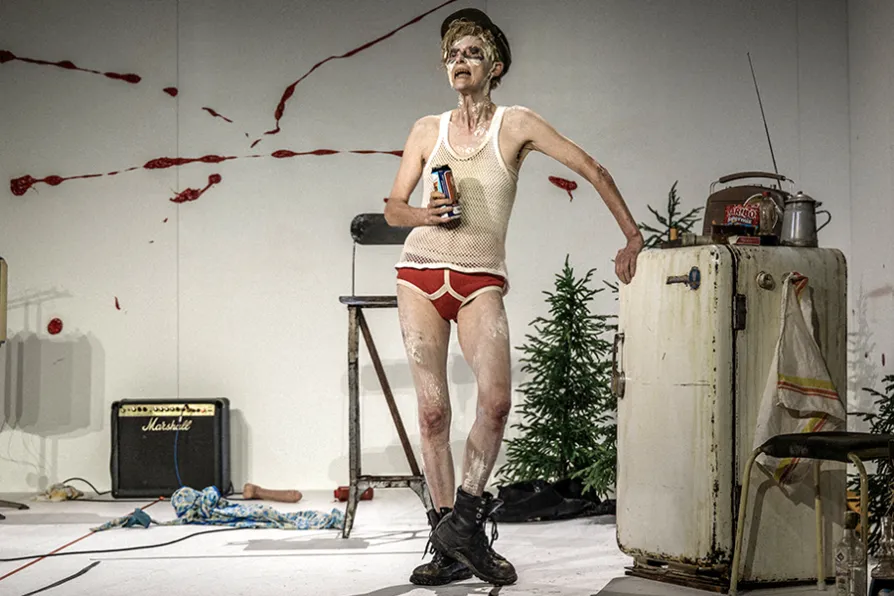
New releases from Biita Houdei, The Mary Wallopers, and The Tubs
New releases from Biita Houdei, The Mary Wallopers, and The Tubs
MAYER WAKEFIELD applauds a fearless attempt to bring to the stage the 1984 toxic gas disaster in Bhopal, India
ALEX HALL applauds the account of a dogged, traumatic and punishing campaign for justice that has lasted from 1998 to the present day
NICK WRIGHT laments the political bias of an epic attempt to tell the history of the liberation of France from the Nazis, that excludes both the decisive contribution of the Soviet Red Army, and of the French communist party itself





The Scythians: Lost Civilisations
Caspar Meyer, Reaktion Books, £18
THE Great Steppe has been the crossroads of world history for millennia. Here, the ancient Scythians roamed across a vast swathe of territory, from the Black Sea coast, across the Ural Mountains, and eastward to the Siberian Altai range.
The interactions of the famous horse warriors with the Greek empire brought them to the attention of Herodotus. The Greek historian divided the world into civilised west and barbarian east, and so it has ever been within the Western-framed view of the world, with eastern Scythia being the apogee of savagery.
In his fascinating, eloquently written book The Scythians, part of the Lost Civilisations series, Caspar Meyer, professor of classical archaeology and material culture at Bard Graduate Centre, New York, counters this stereotype, pointing to the huge diversity in the ways of life across the Steppe. He writes: “One of the extraordinary achievements of the Scythians was their ability to create expansive networks of trust that hinged neither on centralised authority nor on material values.”
The Scythian gift economy functioned over vast distances at the same time as the Mediterranean states adopted coined money to foster growing markets of exchange in goods and labour.
We could learn something vital from the Scythians — how to exchange tangible and intangible resources and store value through mechanisms of reciprocity, a forgotten alternative to late capitalist price gouging and rent extraction.
Reading the Scythians, I was reminded of the late great David Graeber’s The Dawn of Everything, which contended that nomadic and hunter-gatherer societies were highly sophisticated and complex, producing great art and collective institutions, without centralised, hierarchical class systems. With their tattoos and hemp smoking, the Scythians could be models of the alternative lifestyle, something Meyer alludes to in his thought-provoking text.
Still, the Scythians’ reputation for violence and drunken feasting were not without merit — there was slave raiding, ruthless honour codes, and harsh living conditions.
Herodotus recounted the failed Persian invasion of Scythian lands by emperor Darius in 513-14BC. Darius marched a huge army across the rivers Don and Dnipro, but returned exhausted and humiliated, as the Scythians, who were pioneers of horse riding and famously skilled bowman, refused to engage in pitched battle.
The greatest legacy of the Scythians, who did not read or write, was their beautiful gold, bronze and iron work, featuring stylised animal forms and mounted warriors wielding the famous bow, which speaks to us today with its stunning craftsmanship. Much of it was collected by Russia’s Peter the Great and is still seen at the Hermitage Museum in St Petersburg.
Some of the greatest burial mounds where Scythian treasures were placed with their dead rulers and members of the elite household, including horses for the afterlife, are found in Crimea.
This region has been fought over many times since. It was a site of imperial conflict between Catherine the Great and the Ottomans in the late 18th century. Hitler’s Wehrmacht advanced across the same rivers as Darius, before facing defeat by the Red Army on the banks of the Volga at Stalingrad.
Today, the Dnipro, in the Kherson region, is a key front line in the Russia-Ukraine war, dominated by drone and artillery exchanges between Ukrainian and Russian forces on either bank of the river.
Not surprisingly, Scythian heritage sites in the Black Sea region have become victims of the latest war, with Russian seizure of collections, and Ukrainian moves to claim Scythian artefacts as its own.
In the early 20th century, Russian modernists began to embrace the Scythians as a repository of a unique Eurasian cultural heritage, situated between east and west but belonging to neither.
By the time of the Russian revolution, Aleksandr Bloc penned his famous poem The Scythians, a defiant warning to the West not to destroy the country’s new revolutionary future:
“We shall abandon Europe and her charm,/ We shall resort to Scythian craft and guile,/ Swift to the woods and forests we shall swarm,/ And then look back, and smile our slit-eyed smile.”

Similar stories
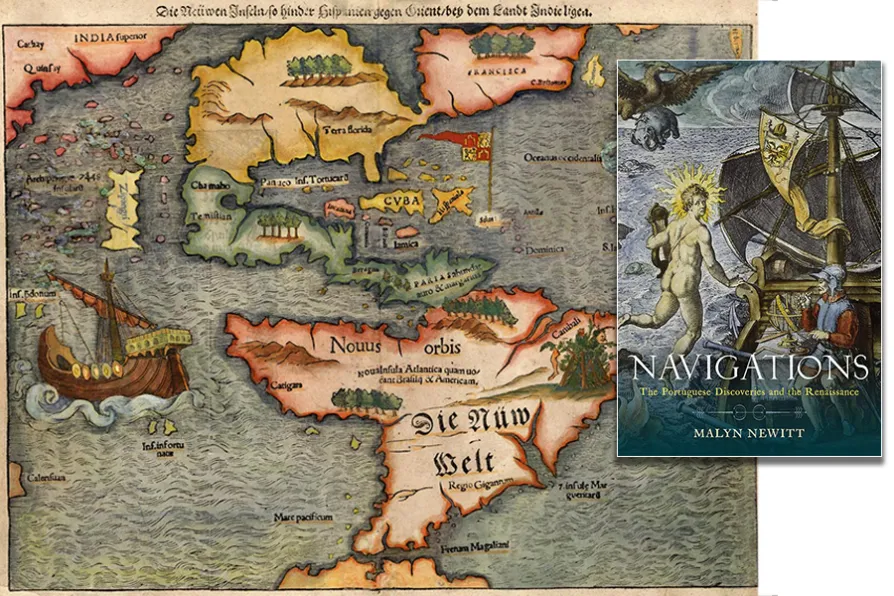
JOE GILL traces the ideology and method of contemporary imperialism back to the greed, hubris and violence of the late 15th century Portuguese
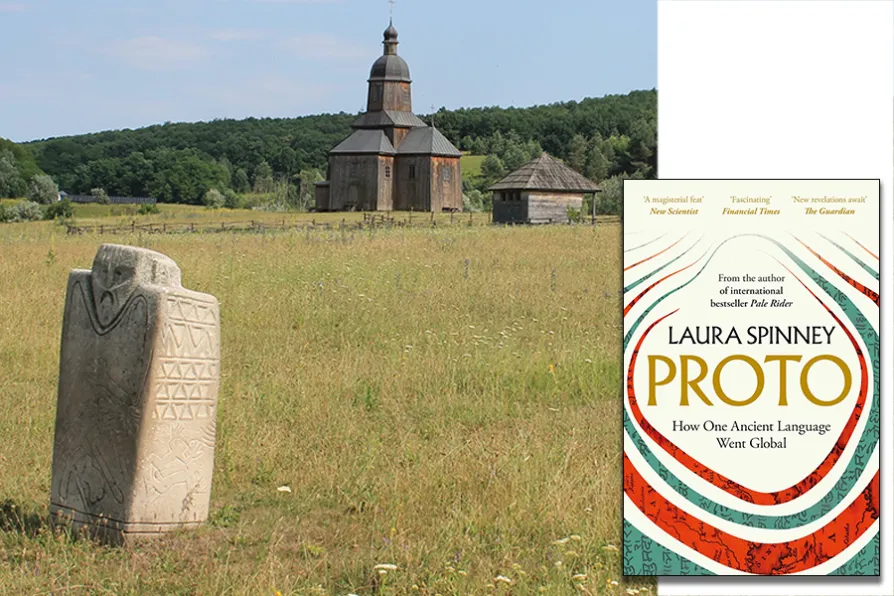
KEN COCKBURN traces the one original language – that of the Yamnaya pastoral nomads – from which all European and Indian languages derive
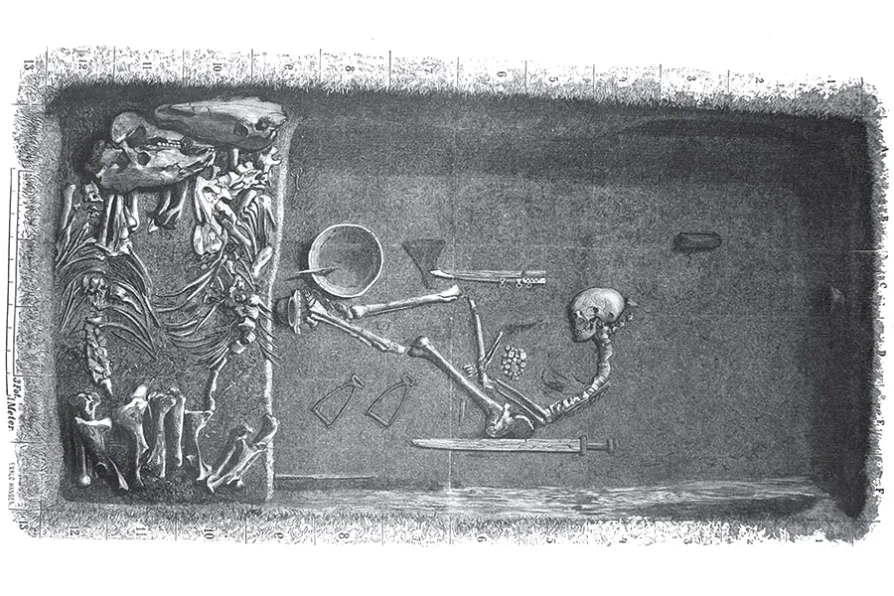
Reducing historical lives to ‘male’ and ‘female’ roles, we lose the nuance of those lives and a clearer understanding of past societies, suggests CLAIRE ISABELLA GILMOUR
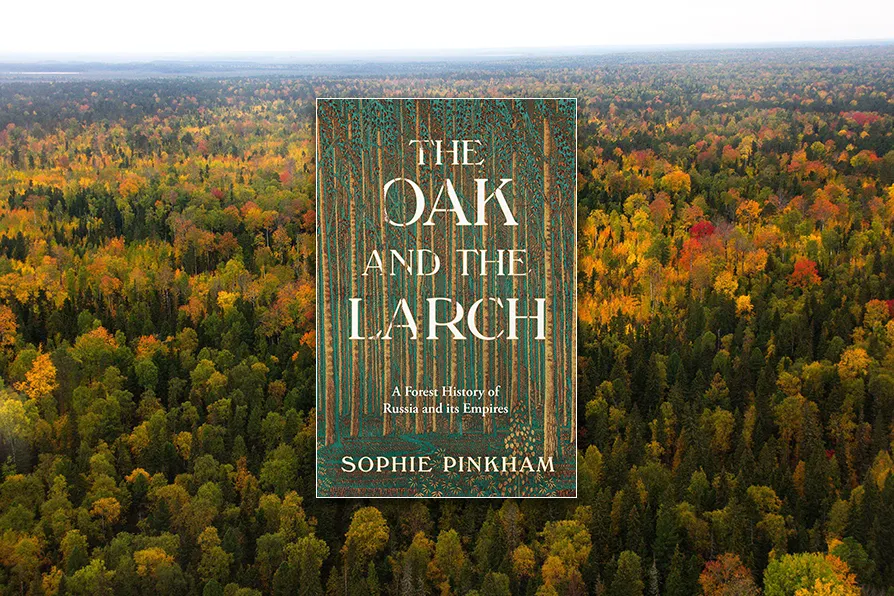
TOMASZ PIERSCIONEK is intrigued by a the changing significance of its vast areas of forest to Russia’s history