The attacks on black academics are well-funded and relentless, writes DIANE ABBOTT, and they need to be fearlessly resisted by all concerned



Ten years after the financial crash: the decade of a rising China
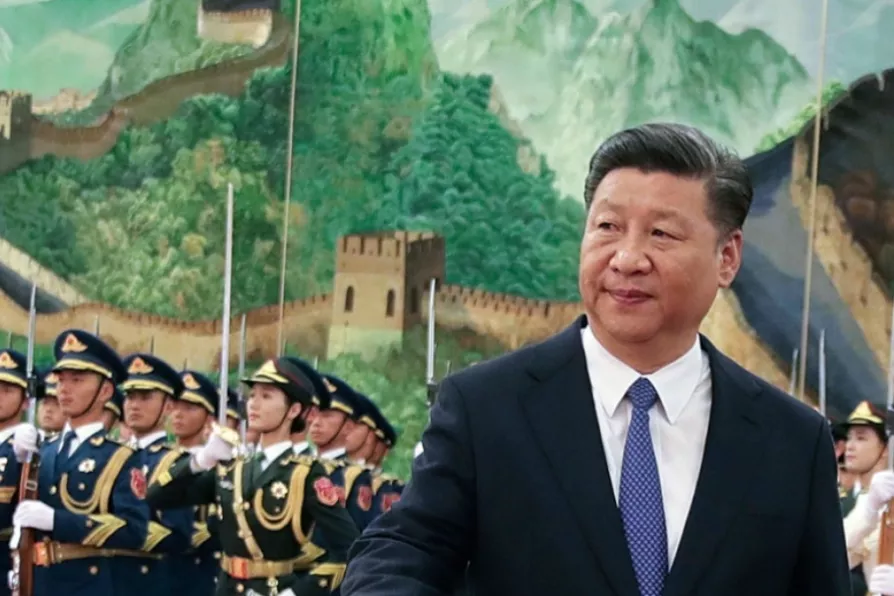
 President Xi Jinping

Extreme hot weather resulting from environmental change needs to be tackled through greater firefighting investment instead of fewer jobs and less resources, writes COLIN BROWN
There are many intricate details about the new Saudi, Turkish and Pakistani alliance we do not yet know, suggests ROGER McKENZIE, but its impact could be considerable
Holyrood incompetence has cost jobs and put the future of Clydeside’s Ferguson Marine shipyard into jeopardy. Its future should have been assured, argues KENNY MACASKILL
Hot and dry conditions are threatening British species unequipped for drought, explains PAUL ASHTON
The Baltic state is set to reverse its constitutional prohibition on nuclear weapons and foreign bases as part of accelerated Nato war preparations, warns TOM UNTERRAINER





IT IS 10 years this September since Lehman Brothers went bankrupt, bringing global capitalism to the point of collapse.
Although a total meltdown was avoided, the crash triggered a slump of 1930s proportions, and for most economies the last decade has been a lost decade of low growth, low investment, low productivity, debt, deficit, with virtually no improvement in real incomes for the 90 per cent.
The stand-out story of the period has to be the continuing rise of China. Initially also badly hit by the crisis, China recovered rapidly to emerge today as a major economic power, moving steadily closer centre stage in the global order.

Similar stories
China’s investment and commitment to scientific research is already paying off, pushing the country to the centre stage of global technological advance, writes S Krishnaswamy

A sharp rise in public-sector investment is required to kick-start the economy, argues MICHAEL BURKE
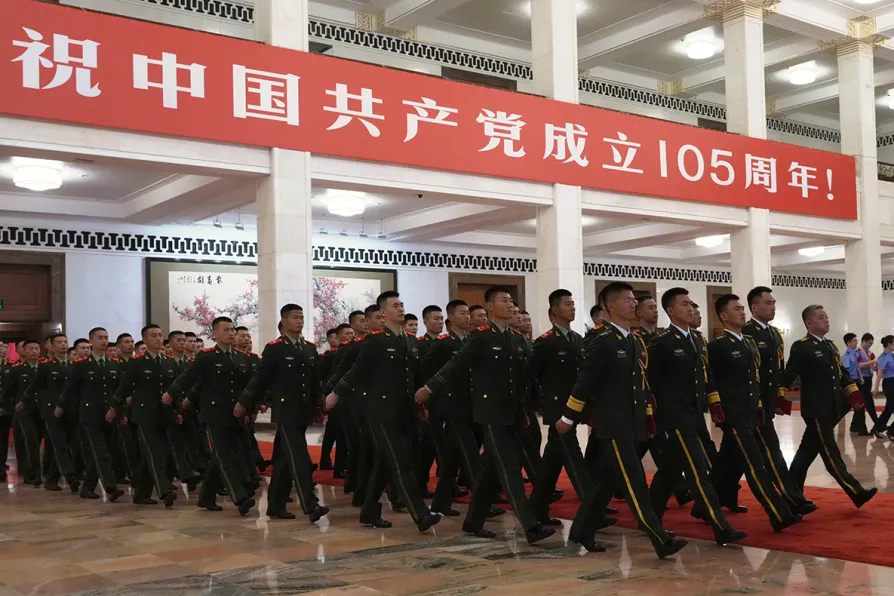
Marking milestones in the histories of China and the United States, this week offers a chance to examine two very different visions of the international order, says CARLOS MARTINEZ

Friedrich Merz’s call for a new Plaza Accord ignores how Washington’s 1985 currency ambush destroyed Japan without fixing US deficits — China, a sovereign socialist state with 1.4 billion consumers, cannot be bullied the same way, writes CARLOS MARTINEZ