

 Latest editorial

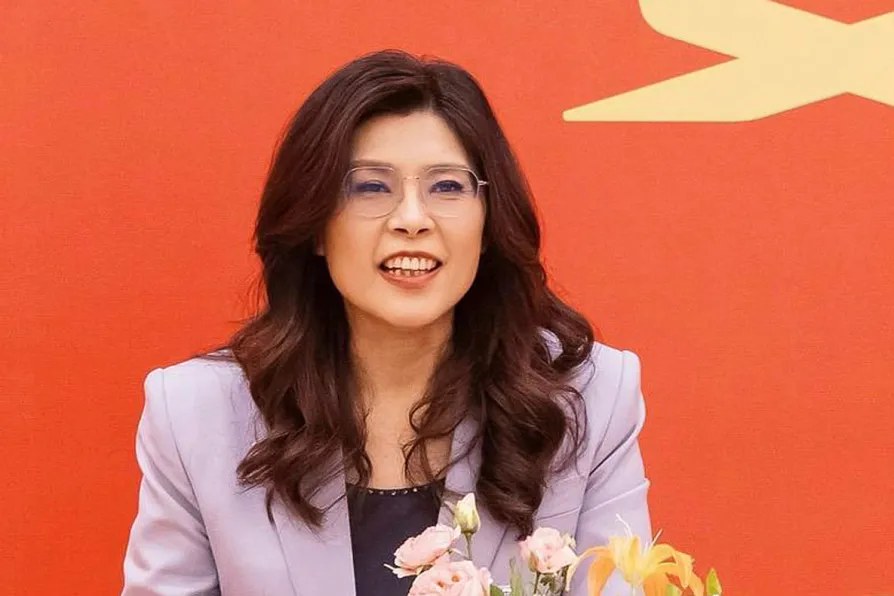 In this photo released by Kuomintang, Taiwan's Kuomintang (KMT) leader Cheng Li-wun speaks at a dinner gala with China's Director of Taiwan Affairs Office Song Tao in Shanghai, China, April 7, 2026. Photo: Kuomintang via AP





TAIWAN’S main opposition leader Cheng Li-wun used a high-profile visit to China this week to push for dialogue between the two regions, calling it a “journey for peace.”
Ms Cheng’s visit is the first by a Taiwanese opposition leader in a decade and comes ahead of a meeting between Chinese President Xi Jinping and US President Donald Trump in May.
The chairwoman of the Kuomintang (KMT) party laid a wreath at revolutionary figure Sun Yat-sen’s mausoleum in Nanjing today.
The city once served as the capital of the Republic of China before the KMT retreated to Taiwan in 1949 after losing the civil war to the communists led by Mao Zedong.
“The core values of Sun Yat-sen’s ideal that ‘all under heaven are equal’ have always been equality, inclusiveness, and unity,” Ms Cheng said.
“We should work together to promote reconciliation and unity across the [Taiwan] Strait and create regional prosperity and peace.”
Ms Cheng said she hopes to meet Mr Xi during her trip.
Wen-ti Sung of the Atlantic Council’s Global China Hub said that the idea of thawing ties with China could appeal to the public in Taiwan, telling Al Jazeera that if Ms Cheng can have “cordial photo ops with Xi Jinping, the KMT can use that to argue dialogue is more effective than deterrence.”
Yang Zihang, a 19-year-old student who watched Ms Cheng’s motorcade, said: “I think this is very important for peaceful exchanges between the two sides of the Taiwan Strait.”
In Taiwan, the governing Democratic Progressive Party (DPP) criticised the trip, accusing the KMT of undermining national security.
Party spokesperson Wu Cheng said if the opposition truly sought stability, it should stop blocking defence spending.
Taiwan’s opposition-controlled parliament has stalled attempts by its government to pass a £30 billion special defence budget, expected to fund arms deals with the US.
The KMT has proposed a smaller defence budget and criticised the DPP’s larger budget as a “blank cheque” for arms purchases.
Chinese Foreign Ministry spokesman Mao Ning said Tuesday that relations with Taiwan were part of China’s internal affairs.
“China’s opposition to military ties between the US and Taiwan is consistent and clear,” he said.
