


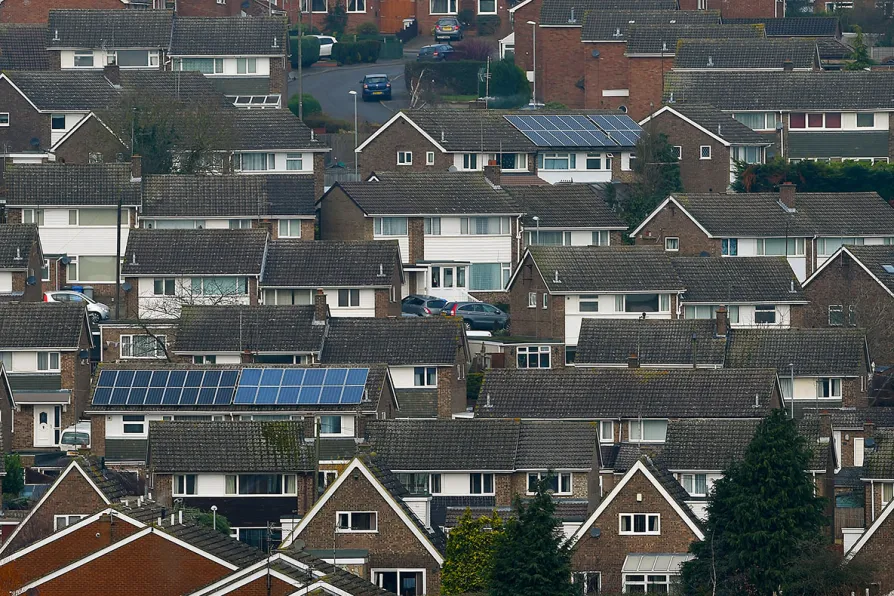
 Houses in Rothwell, Northamptonshire






BAILIFF evictions by social landlords rose by 10 per cent last year, according to data released today by the Ministry of Justice.
Campaigners condemned the government’s “hyper-focus on building new supply” without considering affordability, blaming it for the increase in evictions.
The ministry figures showed the number of county court bailiff repossessions by social housing providers increased to 1,946 in the last quarter of 2025, up from 1,767 the previous year.
The Social Housing Action Campaign (SHAC) said the sharp rise was in part due to an important need for “properties at ‘social’ rent levels, which are capped at 50 per cent of market rents.”
A spokesperson added: “But these are in sharp decline, with almost twice as many social rent tenancies lost last year compared to the year before.”
Today’s figures also showed that the overall number of repossessions by both private and social landlords had gone up by 3 per cent, from 7,062 to 7,254.
However, new possession claims fell by 11 per cent from October to December last year and accelerated claims, which allow tenants to be removed quicker, were down by 17 per cent.
Campaigners at Generation Rent said the numbers relating to accelerated claims were the “closest figures we have” on Section 21 evictions.
“It’s possible we’ll see an increase in these [accelerated claims] in the first half of this year, though landlords have had since 2019 to prepare for the end of section 21,” the group’s Dan Wilson Craw told Inside Housing.
Ministry of Justice figures also revealed that, despite possession orders brought by private landlords going down, courts took more than eight months on average to process cases.
