

 Latest editorial

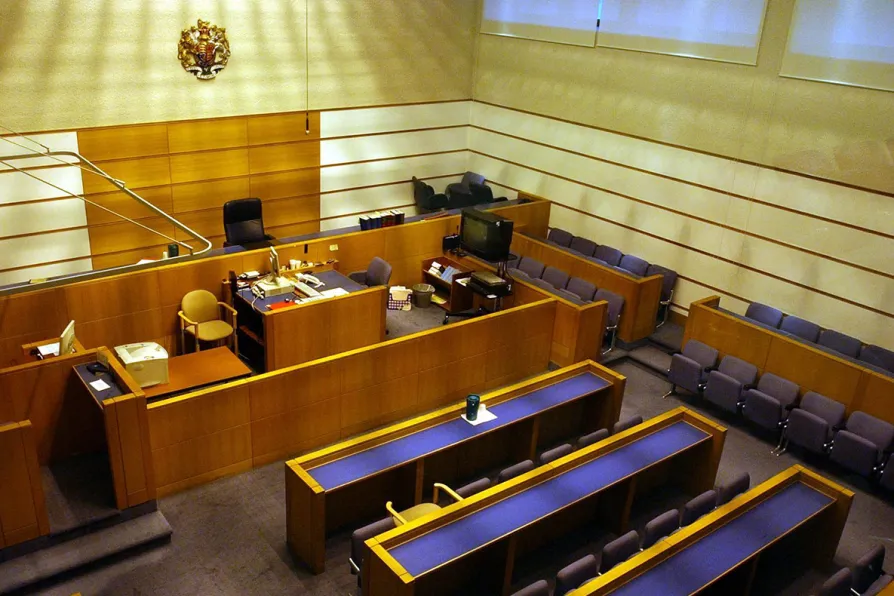 The interior of Belmarsh Magistrates Court in south-east London





SCRAPPING jury trials would save less than 2 per cent of time in crown courts, a study by the Institute for Government (IFG) has found.
Rejecting Justice Secretary David Lammy’s claims that slashing the number of jury trials by about 50 per cent would clear a backlog of around 80,000 cases within a decade, the IFG said the impact would be “marginal.”
Report author Cassia Rowland said: “The government’s proposed reforms to jury trials will not fix the problems in the crown court.”
She explained that the time saved from these changes “will be marginal at best, amounting to less than 2 per cent of crown court time.”
The IFG found courts in England and Wales were only likely to see a 7 to 10 per cent reduction in time spent as a result of the entire package proposed by the deputy prime minister.
And judge-only trials would contribute to a bare fraction of this, it said, as they are only estimated to be 20 per cent quicker than jury trials.
Ms Rowland said “hearing more trials in magistrates’ courts” would be a better way to reduce court delays, calling it a “stronger proposal” which could “potentially save more time.”
“For a bigger and faster impact on the crown court backlog,” she said, “the government should instead focus on how to drive up productivity across the criminal courts, investing in the workforce and technology required for the courts to operate more efficiently.”
She claimed the crown court was hearing almost 20 per cent fewer hours per sitting day so far in 2025/26 than in 2016/17 and that if the court was operating at the same level today, the backlog would have already fallen by several thousand cases.
The IFG also warned that plans for trials without juries “are likely to be highly controversial and to damage public confidence in the criminal justice system.”
The Ministry of Justice said it “disagreed” with these numbers, mentioning a previous, more favourable review by Sir Brian Leveson into the likely effects of the reform.
A spokesperson said: “Victims are facing an unacceptably long wait for justice after years of delays in our courts. That’s why – as this report says – only a combination of bold reforms, record levels of investment and action to tackle inefficiencies across the system will get victims the swift justice they deserve.”
