

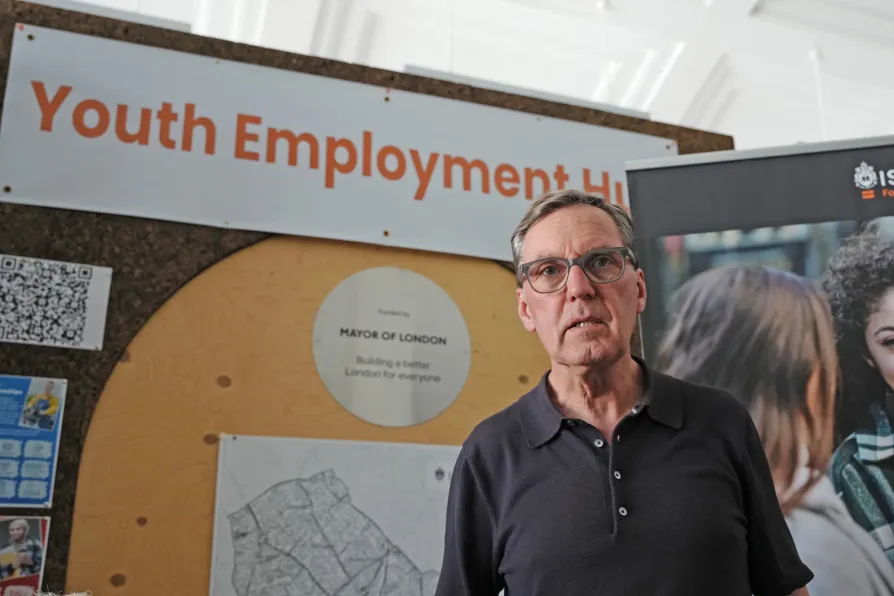
 BACKWARD POLICY: Alan Milburn






PRIMARY schools should be required to identify pupils at risk of becoming jobless, a former minister leading a review into the issue has said.
Alan Milburn said that ministers needed to “make someone responsible” for identifying and supporting the children who risked becoming Neet (not in employment, education or training) after leaving school.
The former health secretary told the Guardian that he would call for sweeping changes in education policy alongside a shake-up of the benefits system to address the problem for 16-24-year-olds.
“The warning signs are there from a very early, early age. You know, frankly from preschool,” he said.
“So, definitely primary schools should be identifying children who are at risk of being Neet. And secondary schools and other services should be intercepting, intervening, supporting and helping those young people to get on a different path.
“We know what the correlated factors are — whether that is poverty, mental health or being in care.
“What we don’t do is take that knowledge and turn it into action.”
The National Education Union has stressed that tackling the increasing Neet levels “means addressing the root causes of disengagement, including persistent absence, an overloaded curriculum and narrow assessment system, and long-term underinvestment.”
But Mr Milburn added that while welfare “reform” would play a key role in the final report due in the autumn, a young person reaching the benefit system was a failure in education, skills and health policies.
“We’ve got to turbocharge opportunities for young people, we’ve got to make it easier for young people to get a job,” he said.
“And alongside opportunities, of course, there has got to be some obligations.”
Association of School and College Leaders general secretary Pepe Di’Iasio said: “Something has got to be done to reduce the number of young people not in education, employment or training, and we’re pleased the government is giving this issue some long overdue attention. This is a complex problem, and everyone in education will want to do everything they can to help identify and prevent potential Neets.
“It’s important that this is done in a way which doesn’t label children and young people, but instead looks at ways of identifying and removing barriers to learning. Primary schools already put a huge amount of work into this, although many of the identified risk factors — such as mental health issues and poverty — are societal issues that need a strategic response from a range of stakeholders both inside and beyond the school gates.
“The Neet crisis is not something that schools can solve alone. We need a national strategy that brings together, schools, employers and support services to ensure that there are opportunities available for all young people.”
The latest data, published in May, showed the number of young people aged 16 to 24 neither working nor learning surpassed one million for the first time since 2013, reaching 1.01 million in the three months from January to March.
Prime Minister Andy Burnham has said that he is “on a mission” to curb the number of Neets with plans to open up new technical education routes to 14-year-olds, which will be put on an equal footing with traditional academic pathways.
His plans include bursaries worth up to £4,500 a year for households on universal credit to help teenagers take on apprenticeships.





Including races at Epsom and Doncaster