
Washington’s inability to subjugate Iran is an example of how it is trying to preserve a regional order that no longer exists, argues RAMZY BAROUD


Peace: the people’s priority in Iran
After the Gaza genocide and unleashing chaos in Syria, the US and Israel prepare to target Tehran next, leaving the Iranian people caught between foreign intervention and continued theocratic oppression, writes GAWAIN LITTLE
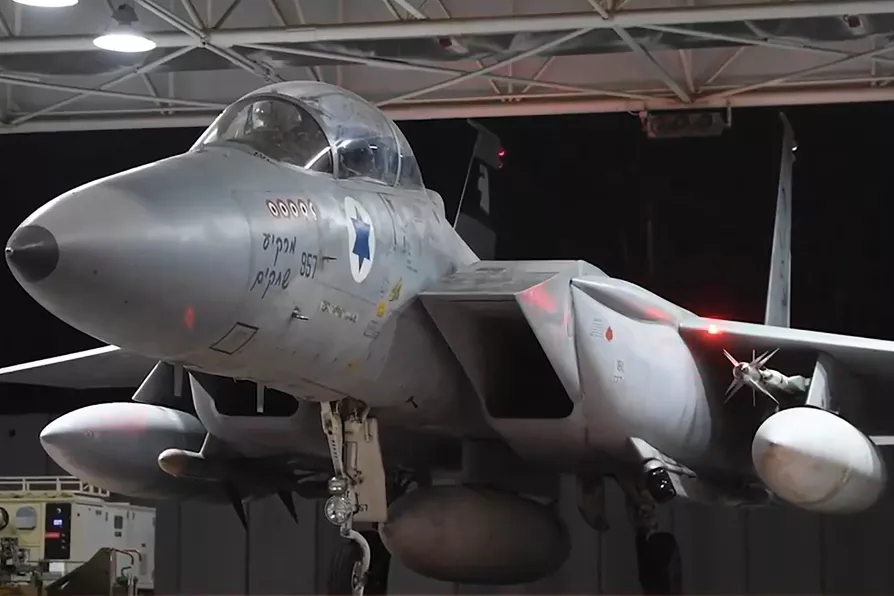
 BRUTE FORCE: An Israeli war plane at Tel Nof air base prepares for strikes on Iran
[idf.il/CC]
BRUTE FORCE: An Israeli war plane at Tel Nof air base prepares for strikes on Iran
[idf.il/CC]
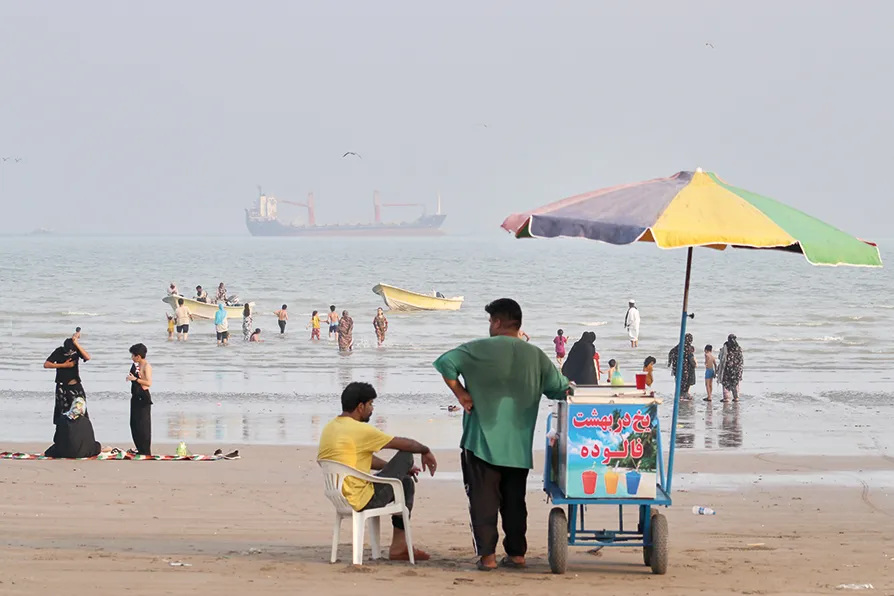
US financial instability is exposing the limits of a dollar-dominated global economy — and giving the Global South a historic chance to build an alternative, says MURAD QURESHI
DOUG NICHOLLS says the parasitic finance markets must be challenged or another British government could be toppled
The late country singer’s Imagination Library has put hundreds of millions of books into children’s hands. We should build on that legacy by defending the libraries at the heart of our communities, says BRENDA AITCHISON
Deprivation is a fundamental factor in criminal behaviour that must be addressed but, KENNY MacASKILL argues, there needs to a major rethink in sentencing to tackle overcrowding
MML director MEIRIAN JUMP outlines the recently refreshed library’s busy autumn schedule that ranges from book sales, archival exploration, community work with online education and the ever popular site tours
TONY BURKE surveys the shifting political landscape and the challenges Labour needs to address if it is to prevail in the 2028 federal elections





THE Middle East has long been a battleground in which imperial powers have played out their power games by creating, enhancing and exploiting regional tensions. However, the most recent plans of the US to “reshape” the region go back some 18 years to the speech made by then US secretary of state, Condoleezza Rice, in July 2006 when she stated that the US was seeking major change in the Middle East.
Under successive US presidents since then, the concept of a Greater Middle East has evolved. President Obama developed the US’s New Middle East Plan to reassert influence and bolster resource control in the region. Obama’s version of the plan resulted in the Joint Comprehensive Plan of Action (JCPOA) with Iran in 2015 and a more nuanced approach to containing the perceived threat of Iran to the regional power balance.
Donald Trump took a more belligerent approach, tearing up the JCPOA in 2018, taking a clear position of supporting the objectives of Israel to be the region’s dominant military power and protector of US interests.

Similar stories
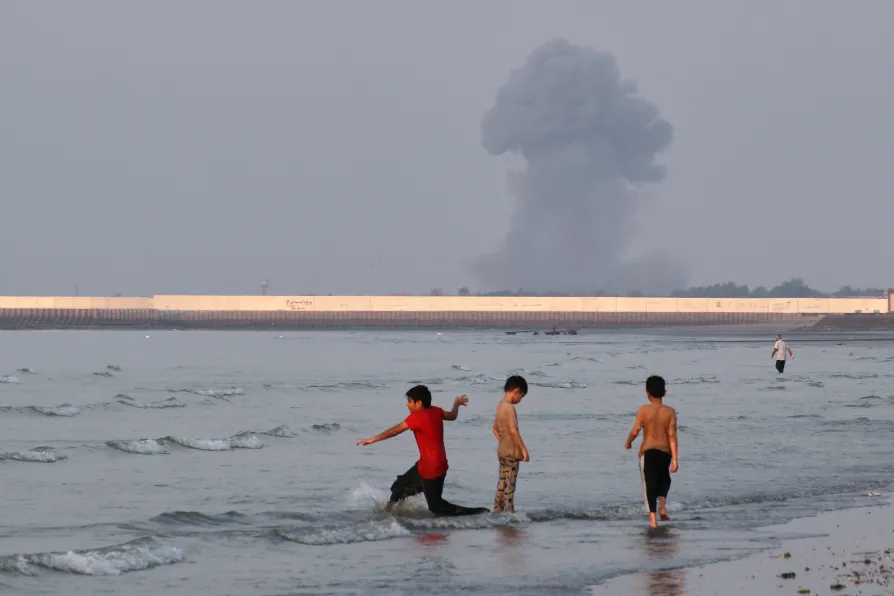
Behind the language of military strategy is a confrontation that risks drawing the wider Middle East into war, says STEVE BISHOP
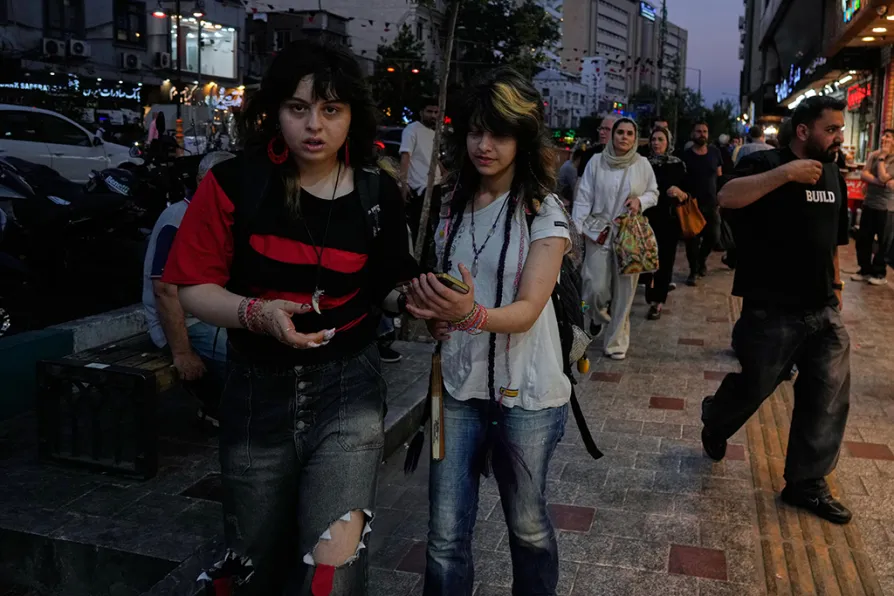
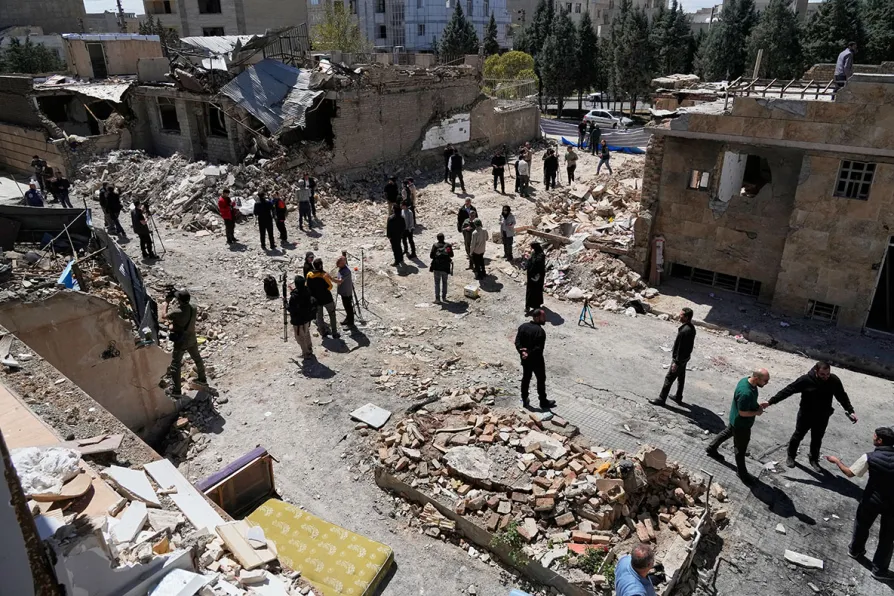
The ceasefire may have halted the fighting for now, but years of economic warfare and recent military attacks have left millions of Iranians facing hardship and uncertainty, says Codir’s RUBEN BRETT
A packed fringe meeting at the National Education Union conference heard from Iranian teachers, campaigners and journalists
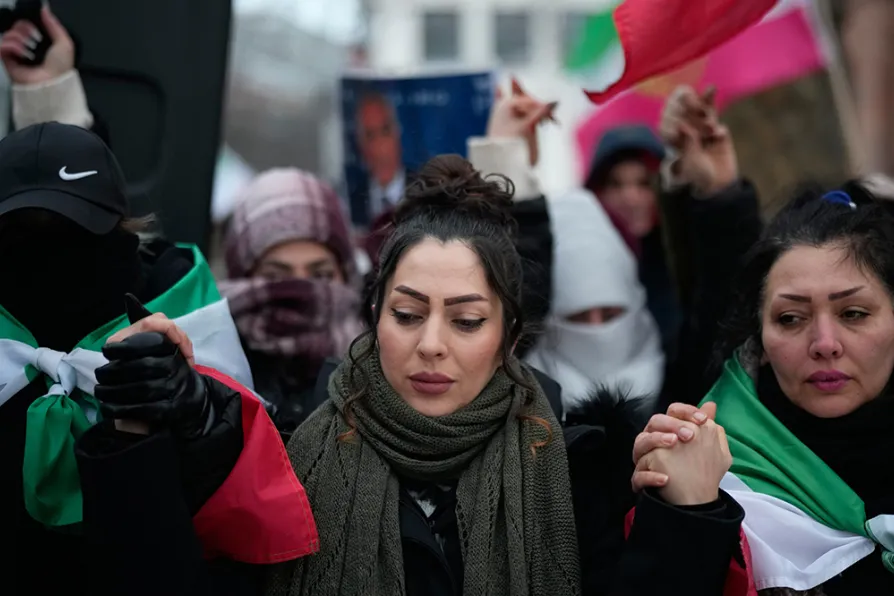
The Committee for the Defence of Iranian People’s Rights (Codir) welcomes demonstrations across Iran, which have put pressure upon the theocratic dictatorship, but warns against intervention by the United States to force Iran in a particular direction