

 Latest editorial

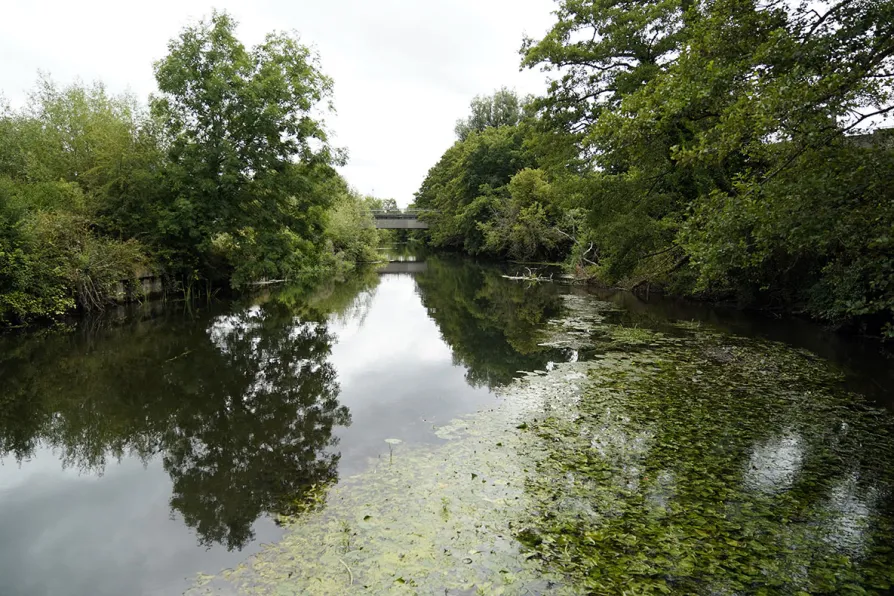 A view of the River Test near to the Southern Water-run Testwood Water supply works near to Calmore in Hampshire





OFFICIAL classifications tracking the health of England’s rivers have been relying on data that is up to a decade old, campaigners warned today.
The Environmental Agency (EA) has been using analysis samples of invertebrates from years ago, potentially misleading the public about the state of English rivers, according to campaign group Wild Fish.
Levels of invertebrates such as mayfly larvae, worms, snails, dragonflies or shrimps are observed as a measure of river health, due to their high sensitivity to pollution, lower oxygen and habitat degradation.
Under the Water Framework Directive, EA carries out the assessment every six years and updates it every three.
According to documents obtained through freedom of information requests, the watchdog could still be using out-of-date information for its next assessment in 2025.
In the last one, released in 2019, only 16 per cent of English rivers and canals were in “good” ecological health, and none were said to be in good chemical health.
Of the 3,645 water bodies assessed in that year, Wild Fish claimed only 1,781 (about 52 per cent) had new invertebrate assessments.
Sam Green, a senior ecologist at the campaign, said: “We can only take action to save Britain’s rivers when we know what’s going on under the surface, and so a lack of up-to-date science and a reliance on rollover data from previous years is deeply concerning.”
An EA spokesperson said: “We are expanding where we monitor and the diversity of data we collect, and our 2025 invertebrate classifications will use new information from over 1,300 monitoring sites across the country.
“Where new monitoring data is not available, using the most recent valid classification ensures continuity and avoids gaps in our understanding of river health.”
