by Her Excellency Ismara Mercedes Vargas Walter, Ambassador of the Republic of Cuba to the United Kingdom


 Latest editorial

Never forget: grassroots activism is a crucial driver in securing positive change
It is not in the interests of the Establishment to recognise the impact protest movements have had on everything from gay rights to ecology, but the evidence shows their role is essential, writes IAN SINCLAIR
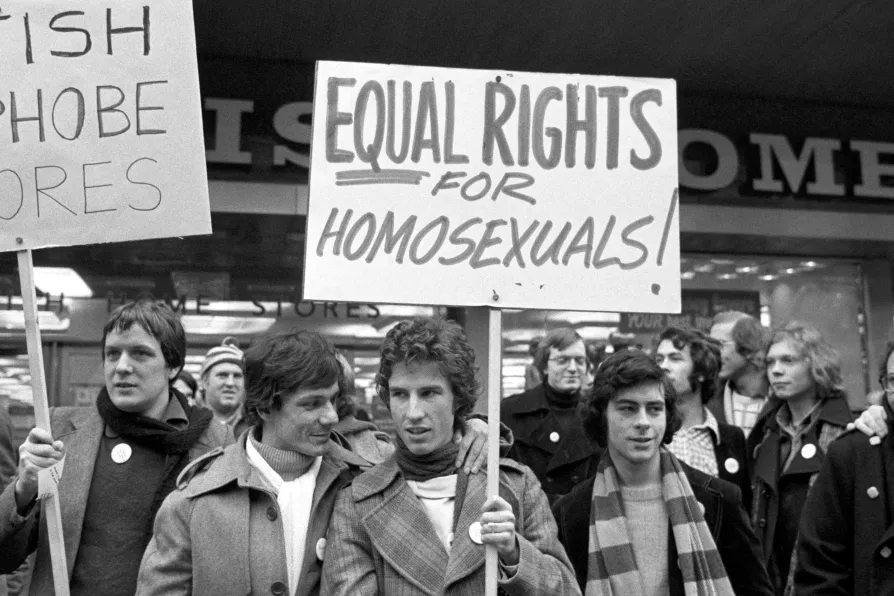 CHANGING TIMES: Tony Whitehead (centre) and his partner John Roman Baker (white scarf) during a protest by gay activists outside British Home Stores, Oxford Street, over Whitehead’s victimisation and dismissal for his sexuality, 1976.
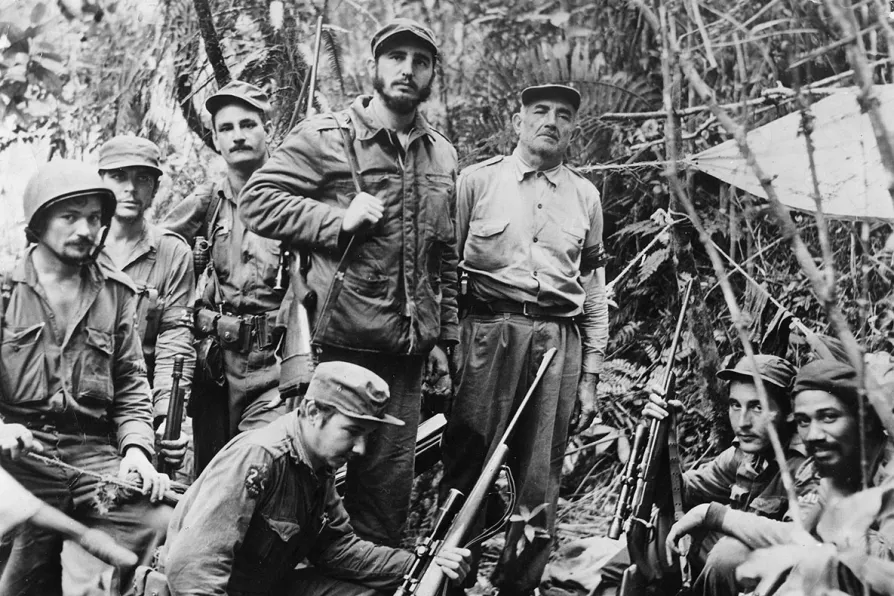
DR STEPHEN WILKINSON assesses the life and legacy of a revolutionary giant
On the centenary of Fidel Castro’s birth, Communist Party international secretary KEVAN NELSON salutes the ongoing example of a revolutionary people facing a brutal US siege
ALEX GORDON and LORRAINE DOUGLAS report from Havana, Cuba, where they represented the Communist Party of Britain at the 24th International Meeting of Communist and Workers’ Parties on August 7-8
The best tribute to Fidel is to stand with the Cuban Revolution today as the Trump regime tries to starve it to death, argues Cuba Solidarity Campaign communications manager NATASHA HICKMAN
JOE DWYER of Sinn Fein reflects on the links between the Irish and Cuban struggles for independence and on Castro’s personal engagement with the cause of Irish freedom





THE mainstream political culture — from the media to politicians to academia — often has a hard time recognising the decisive role of grassroots activism and protest in securing political change.
For example, last month the Guardian reported on the latest British Social Attitudes survey, noting: “From attitudes to gay sex and single parenting to views on abortion and the role of women in the home, Britain has evolved into a dramatically more liberal-minded country over the past four decades.”
According to the liberal newspaper, the study suggests “the evolution of liberal public attitudes ... have been driven by profound social changes such as more people going to university, more women going out to work and the decline in marriage and organised religion.”

Similar stories

Media Lens at 25: David Cromwell and David Edwards reflect on a quarter-century of media criticism, explaining why independent journalism is more important than ever

IAN SINCLAIR examines the curious memory lapses across liberal media when it comes to British government crimes
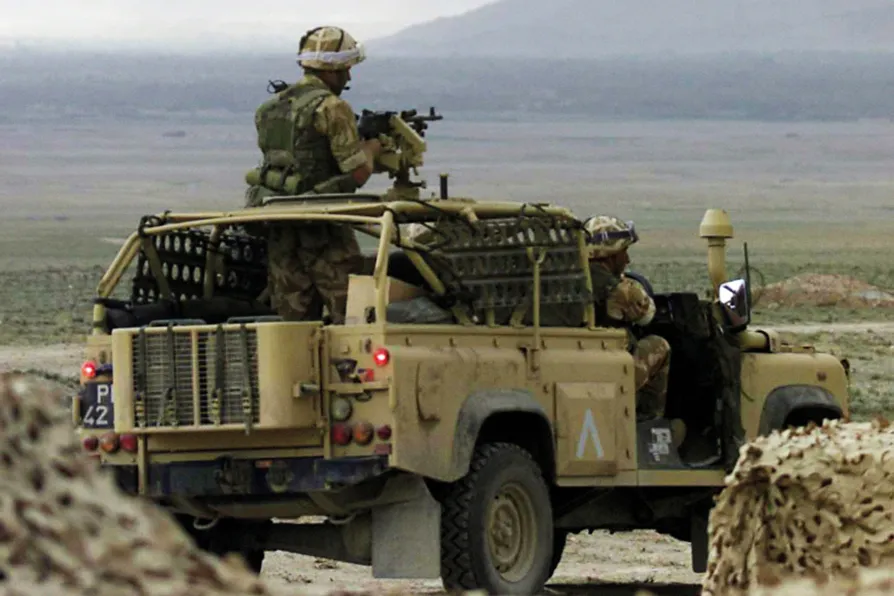
Outrage greeted Donald Trump’s suggestion earlier this year that Britain stayed off the front lines. But evidence suggests our forces were at times pulled from the most dangerous fighting — not by military failure, but by pressure at home, says IAN SINCLAIR
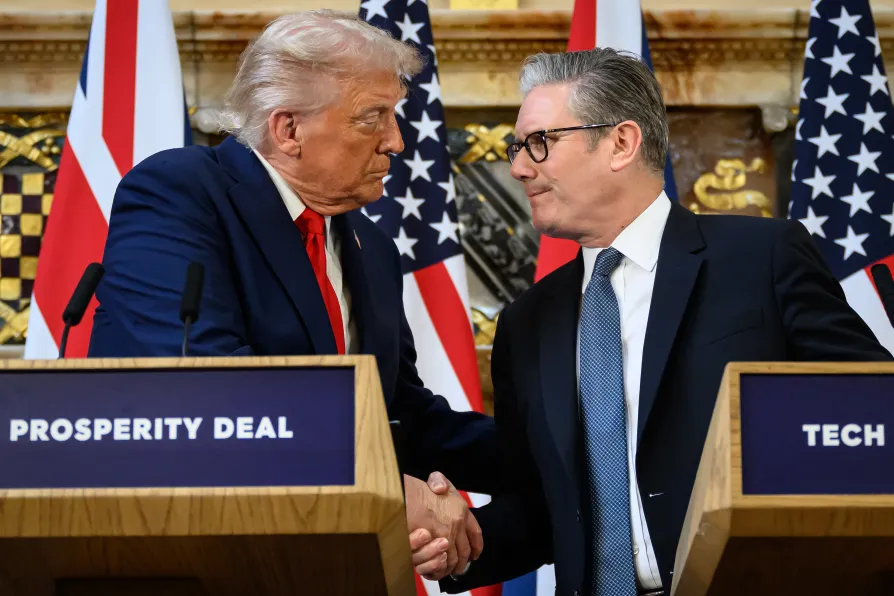
The media present Starmer as staying out of Trump’s war — but we’re already deeply involved in a conflict that sees the US and Israel kill civilians on a huge scale, argues IAN SINCLAIR