
PETER MASON applauds the revival, 39 years later with the same team and cast, of Manfred Karge’s version of Brecht’s 100-year-old play, Mann Ist Mann

Legislating the revolution
KENNY MacASKILL relishes a history of the politicians and civil servants who laid the foundations of the French Republic
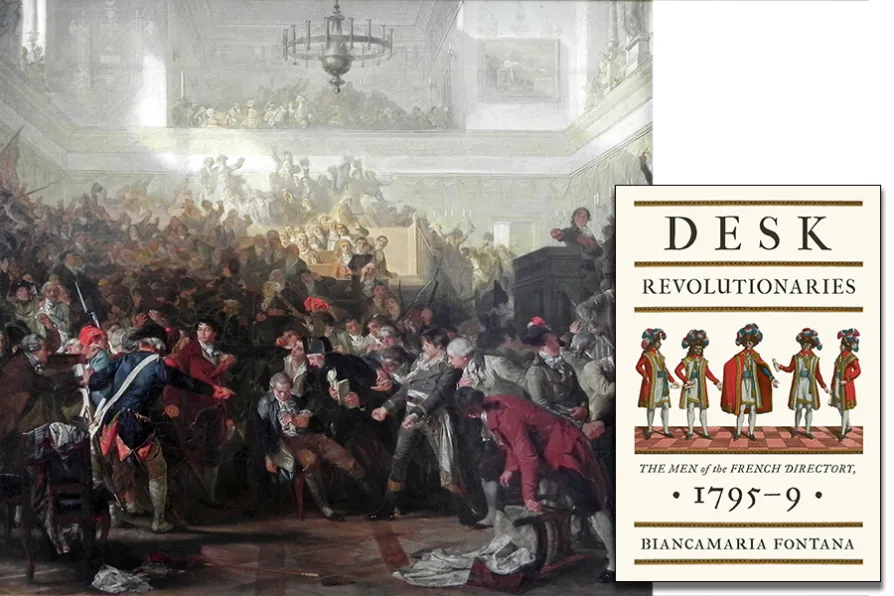
 FOUNDING ACT: Max Adamo, The Overthrow of Robespierre in the Convention on 27 July 1794, which lead to the establishment of the French Directory [Pic: Public Domain]

New releases from Biita Houdei, The Mary Wallopers, and The Tubs
New releases from Biita Houdei, The Mary Wallopers, and The Tubs
MAYER WAKEFIELD applauds a fearless attempt to bring to the stage the 1984 toxic gas disaster in Bhopal, India
ALEX HALL applauds the account of a dogged, traumatic and punishing campaign for justice that has lasted from 1998 to the present day
NICK WRIGHT laments the political bias of an epic attempt to tell the history of the liberation of France from the Nazis, that excludes both the decisive contribution of the Soviet Red Army, and of the French communist party itself





Desk Revolutionaries: The Men of the French Directory, 1795-9
by Biancamaria Fontana, Reaktion Books, £25
THE French Revolution is one of those events which everyone knows. This book deals with one particular aspect far less prominent than many others, but which was fundamental to the success of the revolution and created much of the bedrock for the French Republic, in all its iterations since; as well as having a major impact on civil society in Europe more widely.
This is the story of the directory, the cabinet, for want of a better description, which oversaw revolutionary France between the coups of Thermidor in 1794 and Brumaire in 1799 when Napoleon became First Consul en route to becoming emperor. That’s hardly the most glamorous part of the revolutionary period but its importance cannot be understated, even if it is little known.
It’s a complex read but then it’s a complex time and story. The book makes clear how fragile the revolution and newly formed Republic was. Jacobin terror and royalist coups challenged from within and threats existed from without as the monarchical powers allied to crush those guilty of regicide. Survival was by no means assured, indeed quite the opposite. Stability was essential or a spiral of decline leading to who knows where beckoned.
Moreover, it’s one thing to declare “Liberty, Egality, Fraternity,” but quite another to deliver the laws and structures that allow such a society to exist. As the author narrates, and as Merlin, one of those largely unknown and unsung directors, observed: “It was far easier to proclaim ambitious principles than to translate them into applicable rules.”
A problem compounded, as the book details, by the situation brought about when the understandable abolition of feudal laws with all their injustice is achieved, but their replacement with a vacuum or a plethora of well-intentioned laws, which can be just as disastrous. The directors, and the system established with ministers working under their direction, was meant “to defend and consolidate principle.”
It’s common nowadays, and especially by the right, to denigrate civil servants. Technocrats conjure up images of the Italian or Belgian governments that have lacked political input, if not legitimacy. But administration is a skill and the actions of the much maligned bureaucracy is actually at the heart of any democratic society. Neither the NHS nor the welfare state could have been established without them. The directory’s efforts securing the revolution and laying the basis of the republic to this day.
There was no contemporary model for them to follow. Other republics were tiny and not counted among the major powers, or even superpowers, and the United States was configured as a federal state. They were entering uncharted waters at a tempestuous time, and ancient Greece and Rome were no safe harbour.
They laid the foundations stones for modern republican governments, bringing an end to feudalism and royal patronage. This was a sea change in power and control, consolidating the revolution which had ignited hope for so many around the globe.
Actions taken included establishing the civil and penal codes, the council of state and other formal bodies, along with consolidating the departments upon which local governance is based. Some actions were only initiated by them and concluded by others. They didn’t get everything right, some were poor while a few were stars, and they fought among themselves. But in the circumstances who could have succeeded as they did? Much of what they delivered has withstood the test of time. Much of the template which they laid remains to this day in France and has been copied elsewhere in Europe. Revolutions have to be administered, as well as inspired. Republican government and indeed modern democracy owe a great deal to these faceless bureaucrats.
The book has an introduction and conclusion dealing with the wider events, and sandwiched in between are pen pictures of many of the principal characters. It’s actually a format which works well allotting the characters their place in events.
Readers will increase their knowledge of a major global event as well as gaining an appreciation of the skills of much maligned bureaucrats.

Similar stories
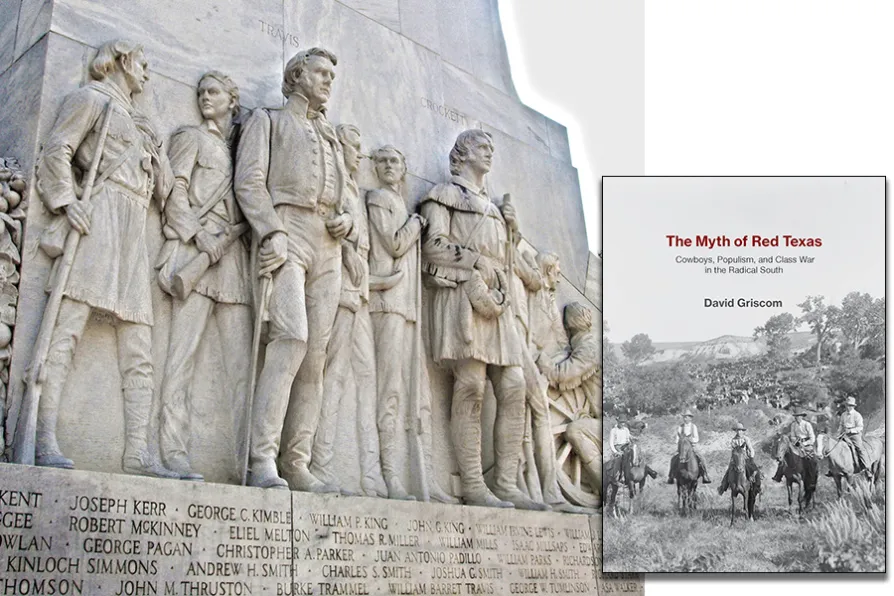
KENNY MacASKILL is disappointed by a polemical, rather than factual, account of the Lone Star State and its political path since the civil war
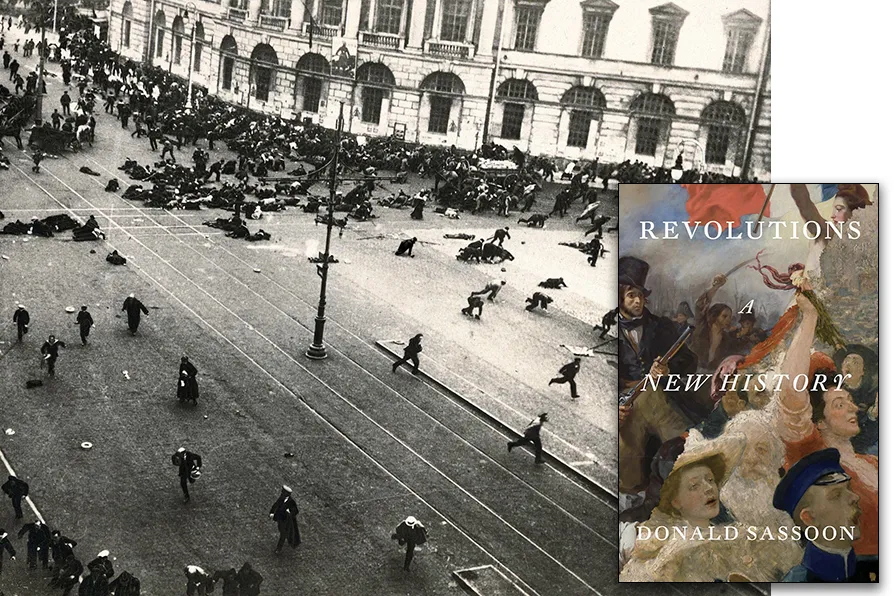
HENRY BELL follows the lineage of revolutions, from the English to the Chinese, and asks where revolutionary politics exists today
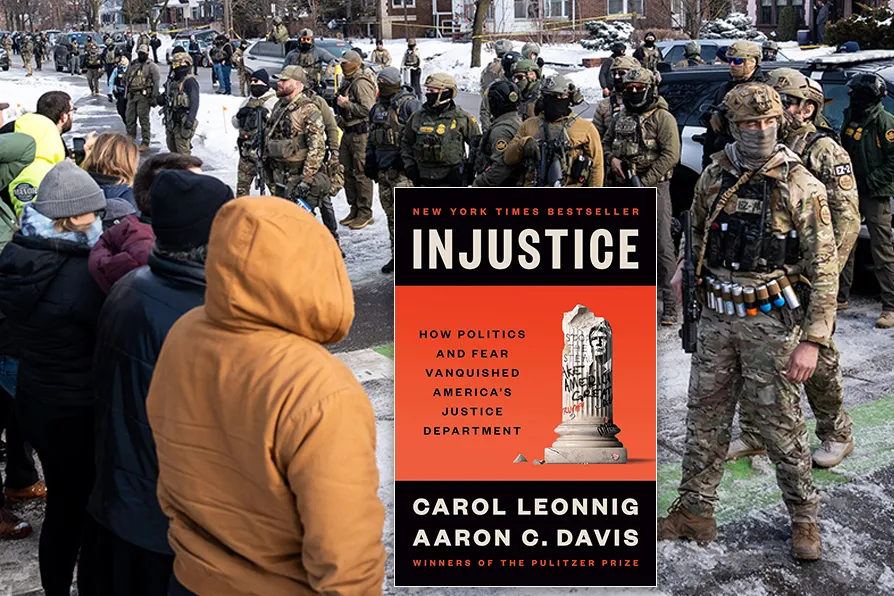
KENNY MacASKILL welcomes a meticulous account of the corruption of the vast US Department of Justice under Trump’s first and second terms

BEN CHACKO welcomes a masterful analysis that puts class struggle back at the heart of our understanding of China’s revolution