Trade unions need to step up and force a turn in the policies of the labour movement to effectively confront the far-right threat, argues NICK WRIGHT


 Latest editorial

Scotland and foreign policy – breathing democracy into the debate
by KATY CLARK
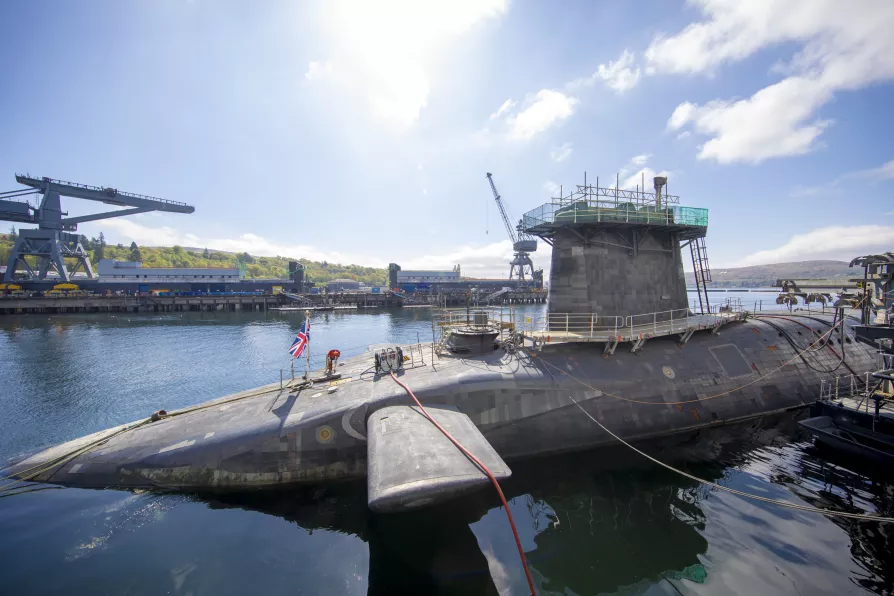 HMS Vigilant at HM Naval Base Clyde, Faslane, which carries Britain’s Trident nukes

As the 90th anniversary of the outbreak of the Spanish civil war is marked, Teesside campaigners will gather to remember the local men and women who stood against fascism, explains TONY FOX
Whatever differences exist among international sympathisers of the Bolivarian revolution about its current trajectory, they should unite against the imperialist power that is the source of an enforced retreat, argues ROGER D HARRIS
Washington’s inability to subjugate Iran is an example of how it is trying to preserve a regional order that no longer exists, argues RAMZY BAROUD
US financial instability is exposing the limits of a dollar-dominated global economy — and giving the Global South a historic chance to build an alternative, says MURAD QURESHI
Deprivation is a fundamental factor in criminal behaviour that must be addressed but, KENNY MacASKILL argues, there needs to a major rethink in sentencing to tackle overcrowding





A SIGNIFICANT driver of support for constitutional change in Scotland has been discontent with aspects of Westminster foreign affairs and defence policy. Currently, the Scottish Parliament has little role in international policy. It does however regularly discuss international issues, and votes on motions relating to a wide range of foreign affairs and defence-related matters.
The Scottish government is anti-nuclear but not anti-Nato. There is a widespread view in Scotland that the Parliament should support humanitarian projects and in the Parliament that the current aid cuts are unacceptable. There is no consensus in support of a principled stance against Western military intervention or a broader analysis of the West’s role or focus on the extent to which Scotland might seek to rupture from this settlement.
The Scottish government also has a small international budget. It undertakes work relating to several countries, and on specific issues such as safe water, and women and girls. Unlike the German Lander (states), it does not have the right to enter international treaties. Whatever position the Scottish Parliament or Scottish government takes, they have no direct input into any aspect of foreign policy taken at a UK level.

Similar stories
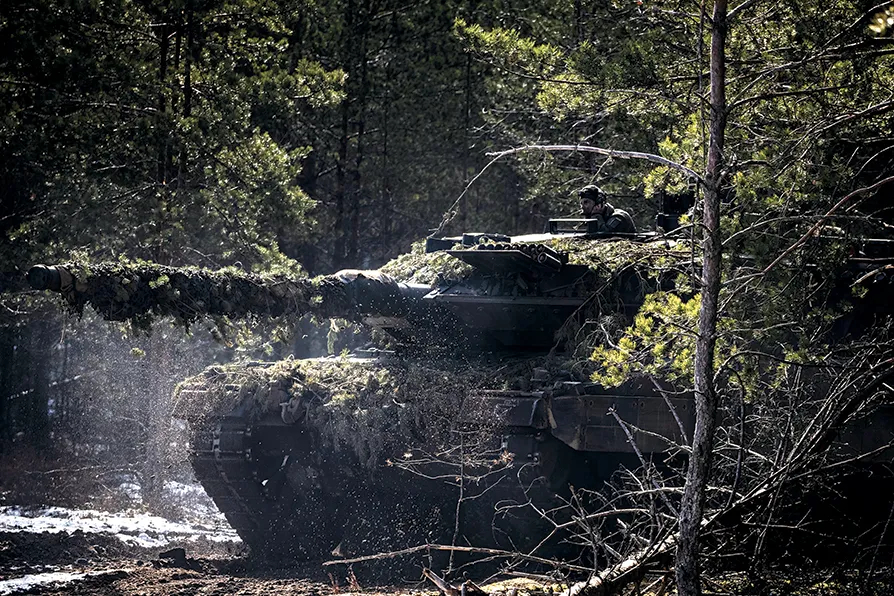
The Baltic state is set to reverse its constitutional prohibition on nuclear weapons and foreign bases as part of accelerated Nato war preparations, warns TOM UNTERRAINER
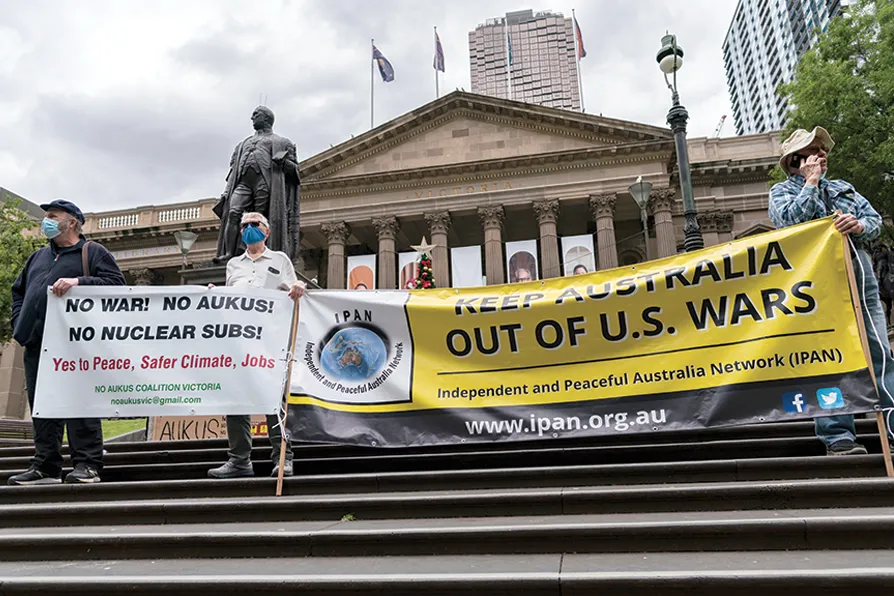
MIKE MARTIN surveys the regional opposition to US attempts to force the region into a military confrontation with China

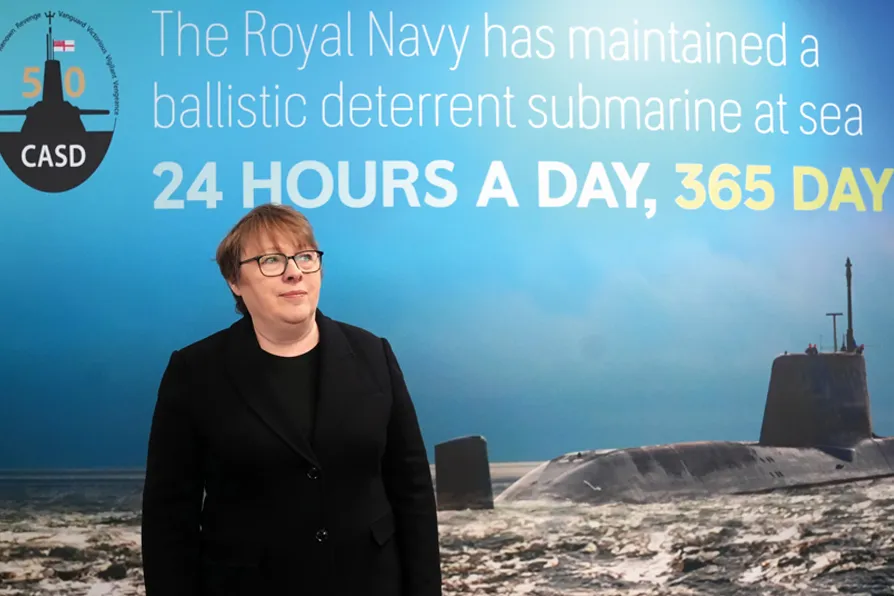
Expanding Britain’s nuclear capability increases the risk of nuclear confrontation. It does not keep us safe – it makes us a target, argues CAROL TURNER