
Washington’s inability to subjugate Iran is an example of how it is trying to preserve a regional order that no longer exists, argues RAMZY BAROUD


Justice for the 37 Cammell Laird strikers
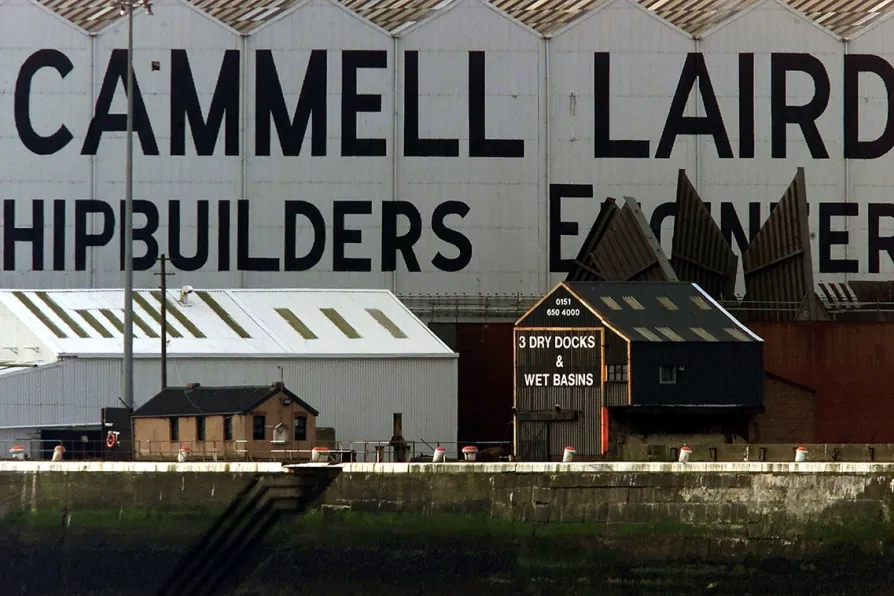
Striking to keep the Birkenhead shipyard open and save a community from devastation, 37 workers went into occupation. Outrageously, they were jailed for their legitimate action — MICK WHITLEY MP writes now is the time to clear their names
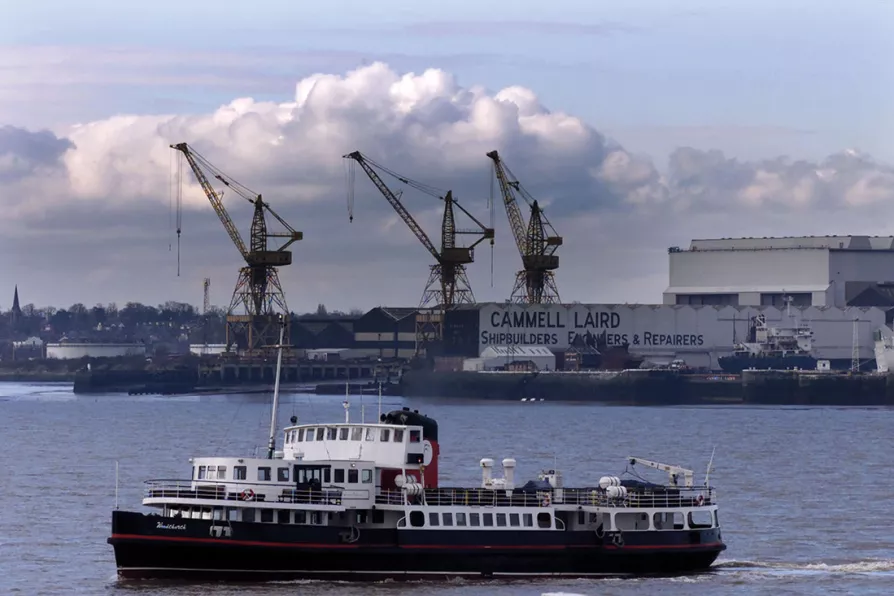
 Cammell Laird yard

US financial instability is exposing the limits of a dollar-dominated global economy — and giving the Global South a historic chance to build an alternative, says MURAD QURESHI
DOUG NICHOLLS says the parasitic finance markets must be challenged or another British government could be toppled
The late country singer’s Imagination Library has put hundreds of millions of books into children’s hands. We should build on that legacy by defending the libraries at the heart of our communities, says BRENDA AITCHISON
Deprivation is a fundamental factor in criminal behaviour that must be addressed but, KENNY MacASKILL argues, there needs to a major rethink in sentencing to tackle overcrowding
MML director MEIRIAN JUMP outlines the recently refreshed library’s busy autumn schedule that ranges from book sales, archival exploration, community work with online education and the ever popular site tours
TONY BURKE surveys the shifting political landscape and the challenges Labour needs to address if it is to prevail in the 2028 federal elections





IN June 1984, the National Union of Mineworkers entered the fourth month of its historic year-long struggle with the Thatcher government.
A few weeks later a massive police attack on the Orgreave picket was unleashed. The prisons started to fill with pickets. Industrial action was being branded a crime.
Thatcher had vowed to take on and defeat any group of workers who opposed her wave of deindustrialisation and the jobs massacre that was its inevitable consequence.

Similar stories
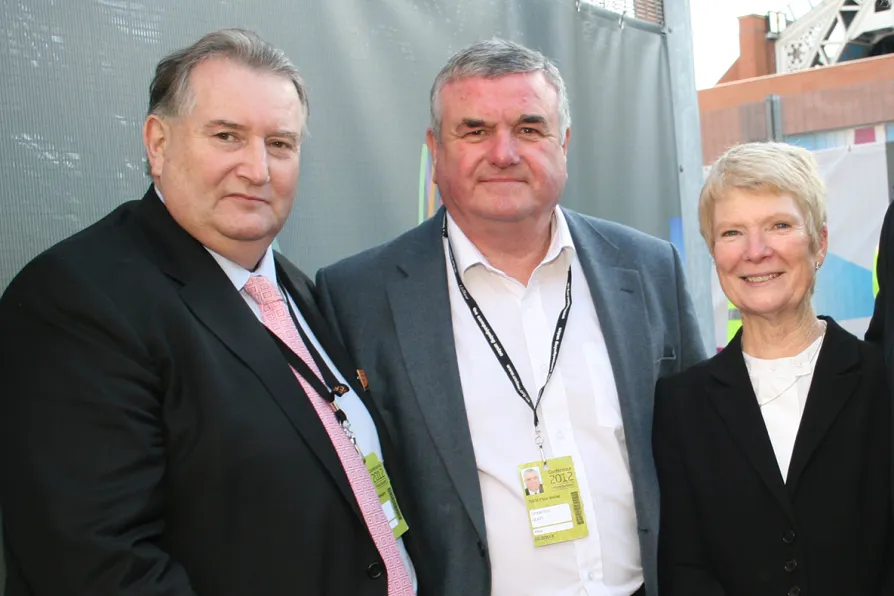
Remembering a legendary trade unionist and inspirational leader
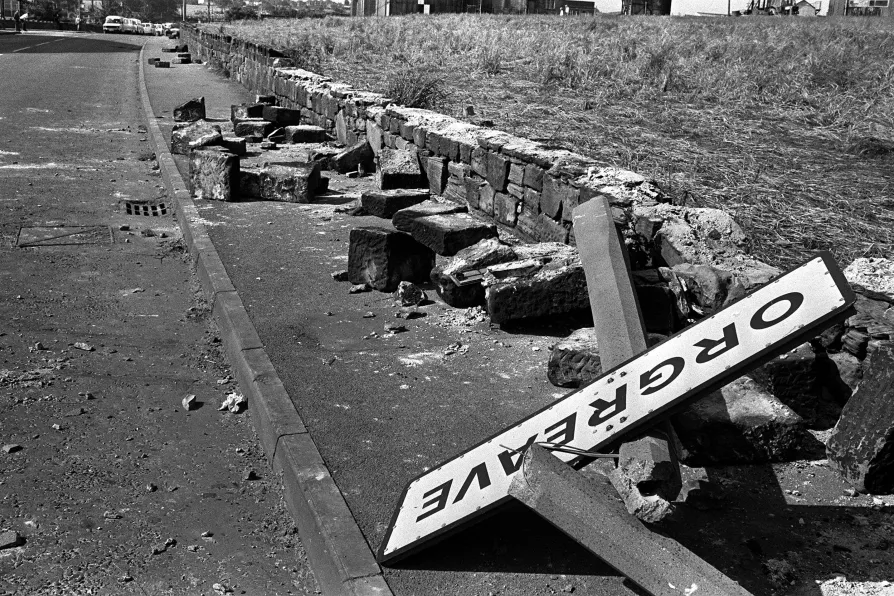
The public inquiry is the result of more than a decade of determined campaigning. Now, those who fought for justice want the full story of government involvement and police conduct to be told, says KATE FLANNERY
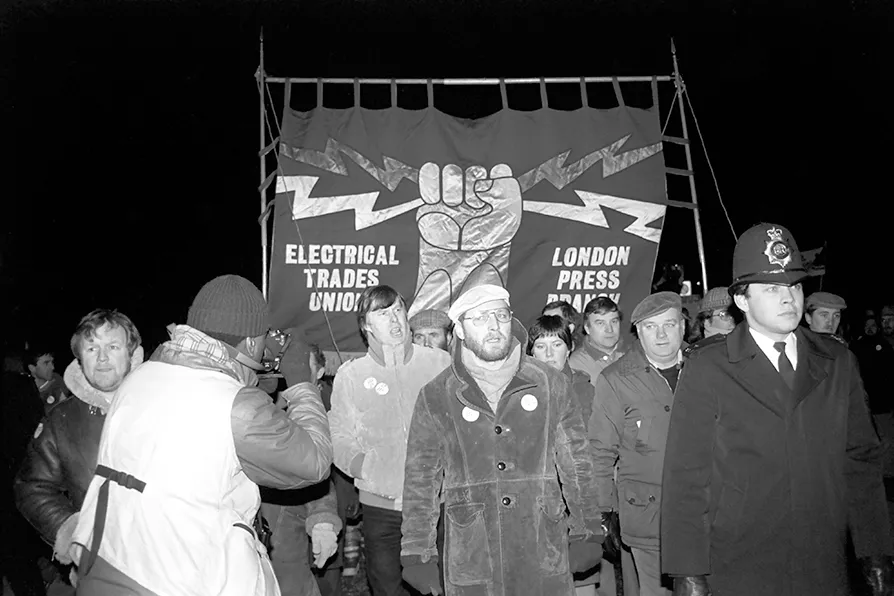
A past confrontation permanently shaped the methods the state will use to protect employers against any claims by their employees, writes MATT WRACK, but unions are readying to face the challenge
KIM JOHNSON MP places the campaign in the context of the history of the working-class battles of the 1980s, and explains why, just like Orgreave and the Shrewsbury Pickets before it, justice today is so important for the struggles of tomorrow