

 Latest editorial
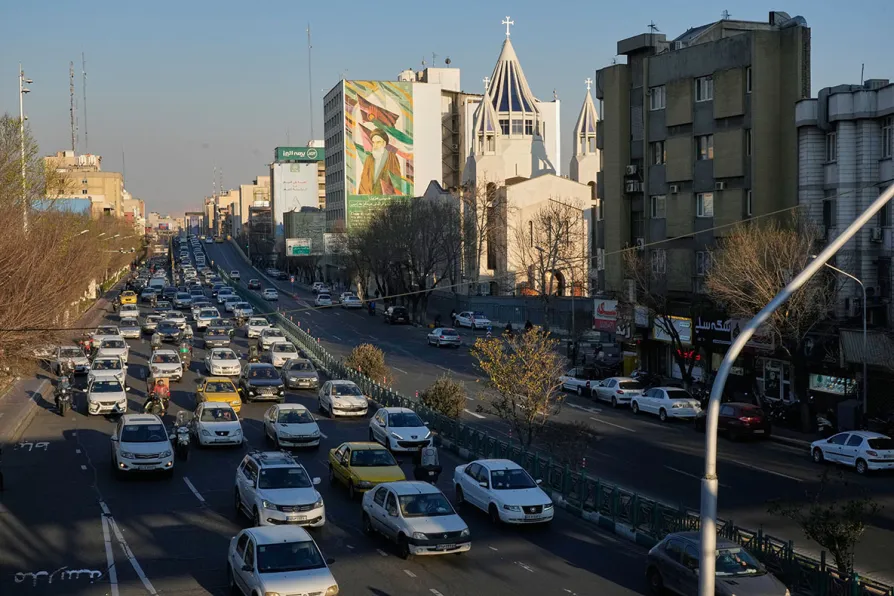 Vehicles drive past the Saint Sarkis church and a painting of the late Iranian revolutionary founder Ayatollah Khomeini in downtown Tehran, Iran, February 25, 2026
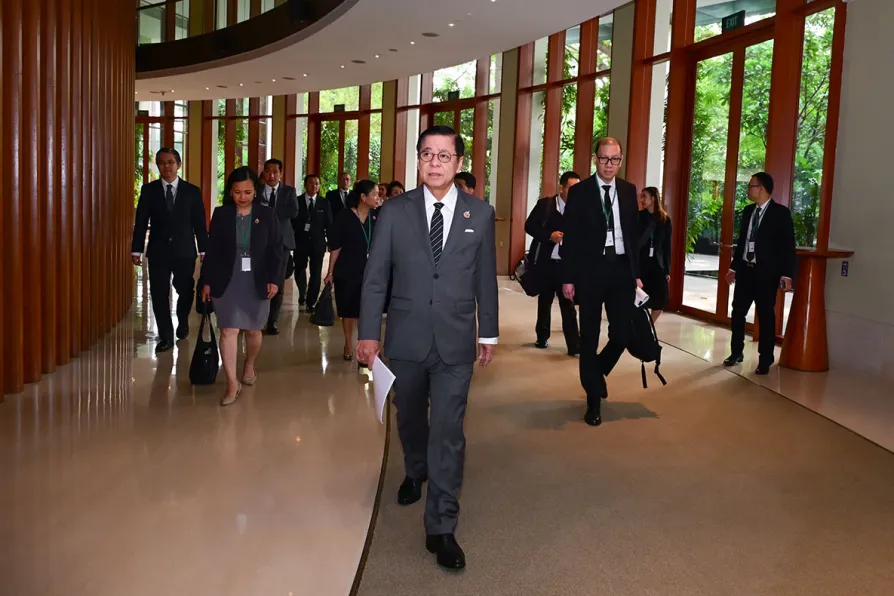





IRAN and the United States held another round of indirect talks in Geneva today, as they tried to reach a deal on Tehran’s nuclear programme.
The talks, mediated by Oman, continue as the US marshals a massive fleet of aircraft and warships in the region.
US President Donald Trump says he wants a deal to constrain Iran’s nuclear programme, even though Iran has issued a religious edict against possessing such weapons and denies seeking them.
Mr Trump claimed again in his State of the Union address last week to have “obliterated” Iran’s nuclear programme in air strikes last year, one day after his special envoy Steve Witkoff said the country was just a week away from acquiring bomb-making material.
Iran hopes to avert war, but maintains it has the right to enrich uranium and does not want to discuss other issues, like its missile defences or support for armed groups like Hamas and Hezbollah.
If the US attacks, Iran has said US military bases in the region holding tens of thousands of troops would be considered legitimate targets, as would Israel, which also bombed it last year.
“There would be no victory for anybody — it would be a devastating war,” Iranian Foreign Minister Abbas Araghchi told India Today.
“Since the Americans’ bases are scattered through different places in the region, then unfortunately perhaps the whole region would be engaged and be involved, so it is a very terrible scenario.”
The two sides held multiple rounds of talks last year which collapsed when Israel launched a 12-day war against Iran in June. The US carried out heavy strikes on Iranian nuclear sites.
Mr Araghchi represented Iran at the talks. Mr Witkoff, a billionaire real estate developer and friend of President Trump who serves as a special Middle East envoy, headed the US delegation with the president’s son-in-law Jared Kushner.
“We’ve been exchanging creative and positive ideas in Geneva today,” said Oman’s Foreign Minister Badr al-Busaidi, who mediated. “We hope to make more progress.”
Iranian Foreign Ministry spokesperson Esmail Baghaei said diplomats held “very intensive” negotiations, meeting with the Omani envoy and the head of the International Atomic Energy Agency, the United Nations’ nuclear watchdog.
