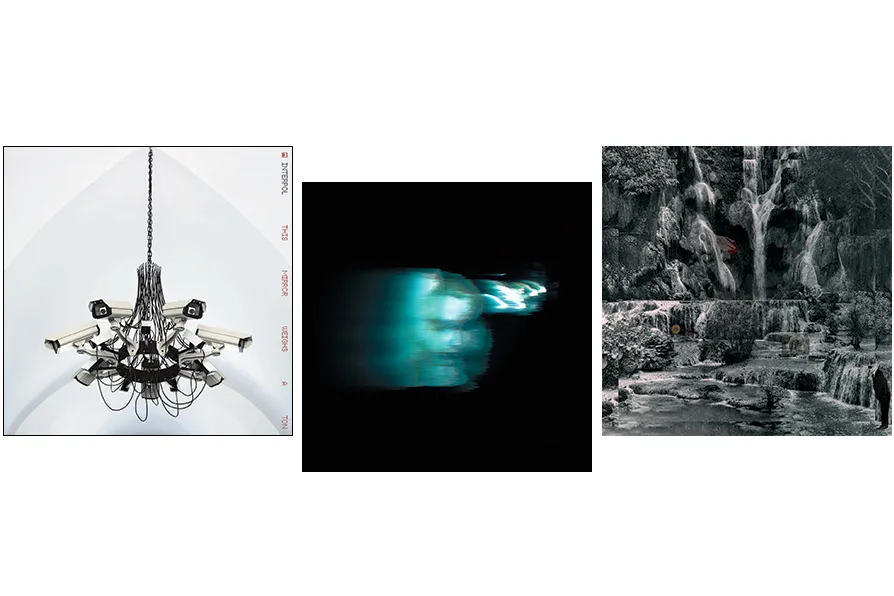
New releases by Interpol, Phoebe Bridgers, Lambchop


 Latest editorial

Iconic images from founding father of US social photography
The images in Taschen's new book on Lewis W Hine capture the harsh realities of a country undergoing profound transformation, says JOHN GREEN
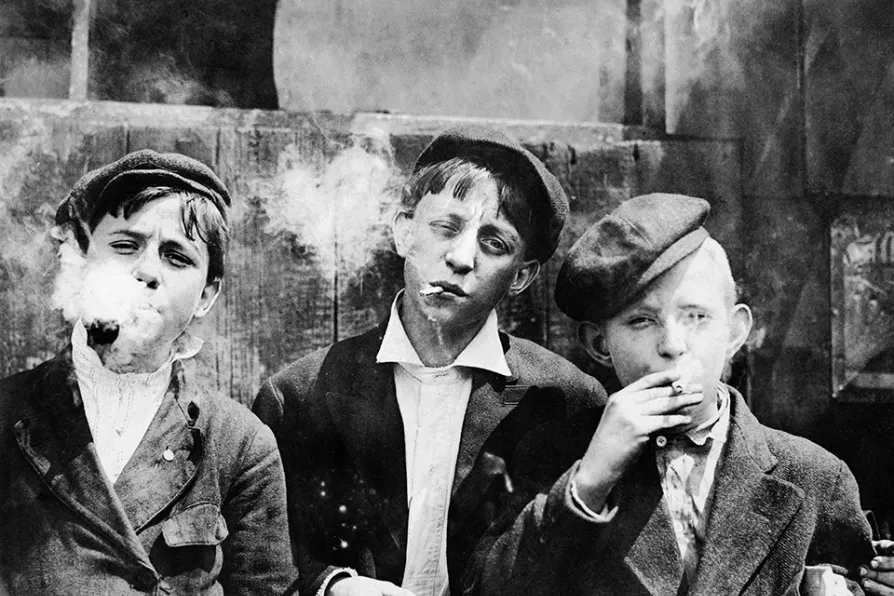 11:00 A.M. Monday, May 9th, 1910. Newsies at Skeeter’s Branch, Jefferson near Franklin. They were all smoking. St. Louis, Missouri, 1910
[Lewis W Hine]
11:00 A.M. Monday, May 9th, 1910. Newsies at Skeeter’s Branch, Jefferson near Franklin. They were all smoking. St. Louis, Missouri, 1910
[Lewis W Hine]
ANGUS REID urges us to understand the persecution of Jason Arday from a political and historical perspective, and to see the victim in human terms
Re-releases of the classics Gypsy Rhumba and Buena Vista Social Club, and a stunning album by Palestinian artist Faris Ishaq
Nothing, says ANDY HEDGECOCK, can rescue this undistinguished amalgam of ponderous melodrama and shallow philosophical speculation
JAMIE BRITTON invites readers to visit 3,500 locals as part of a marathon artistic pub crawl
JOHN GREEN welcomes a valuable and incisive analysis of a world become hyperpolitical but without the mass movement institutions to represent it





BORN in 1874 in a small Wisconsin town, Lewis W Hine was forced to become the family’s breadwinner when his father died. After a series of poorly paid jobs, he attended night classes to educate himself and was able to obtain a degree in pedagogy before going on to study sociology.
At a school for deprived children, he came into contact with the practical and technical aspects of photography and, encouraged to document its activities, began what became a lifelong commitment and passion for revealing the social and working conditions of the labouring classes in the US.

Similar stories
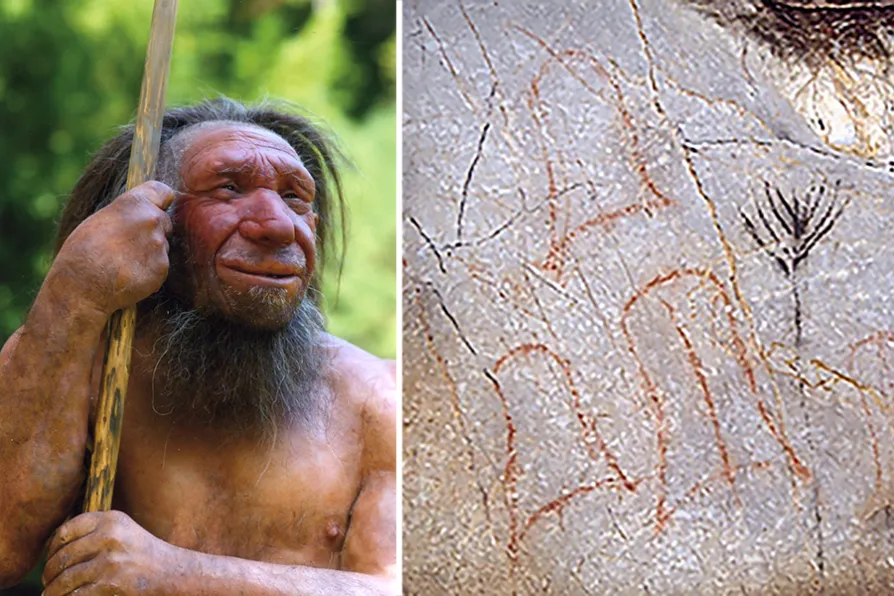
BENJAMIN POTHIER suggests that Palaeolithic cave paintings in Spain point to the ceremonial use of hallucinogenic flora
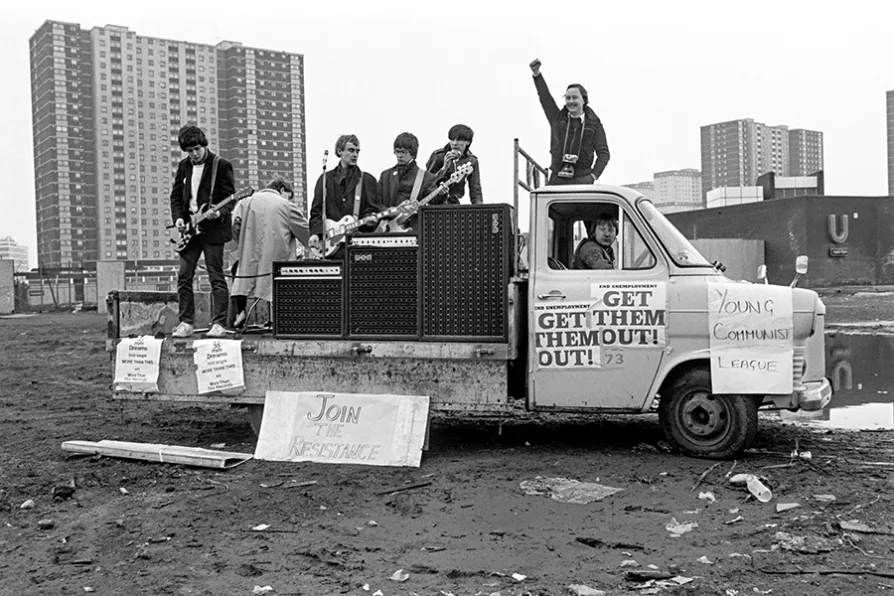
KIM CULLEN enjoys the survey of social work and working-class lives to be found in the superb work of British-Jamaican photographer Sandra George
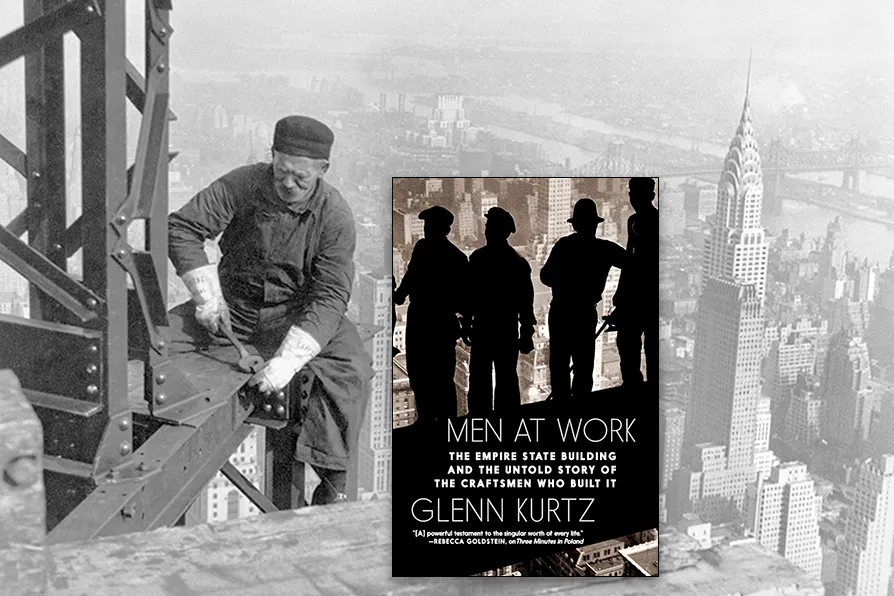
SUE TURNER is fascinated by a book that researches who the largely immigrant workforce were that built the Empire State
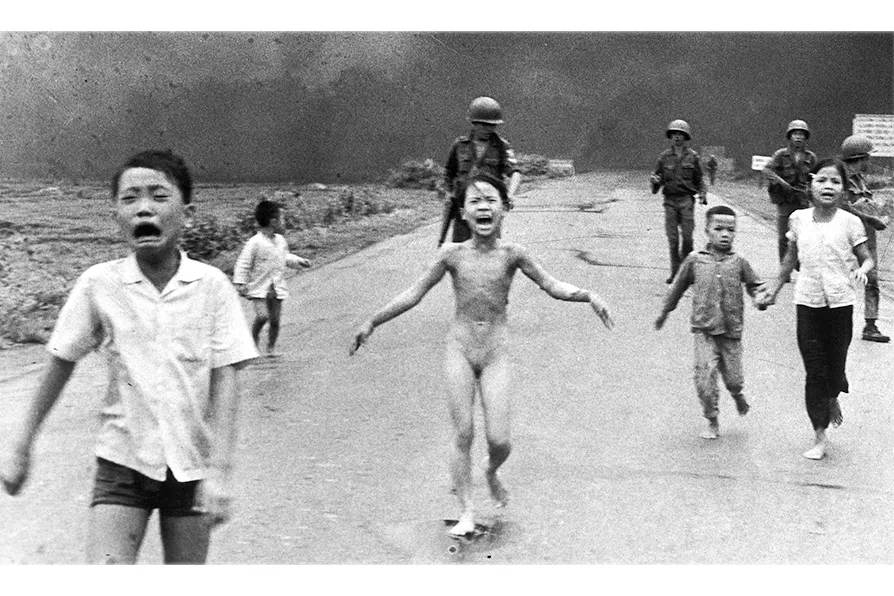
If true, the photo’s history is a damning indictment of the systematic exploitation of non-Western journalists by Western media organisations – a pattern that persists today, posit KATE CANTRELL and ALISON BEDFORD