

 Latest editorial

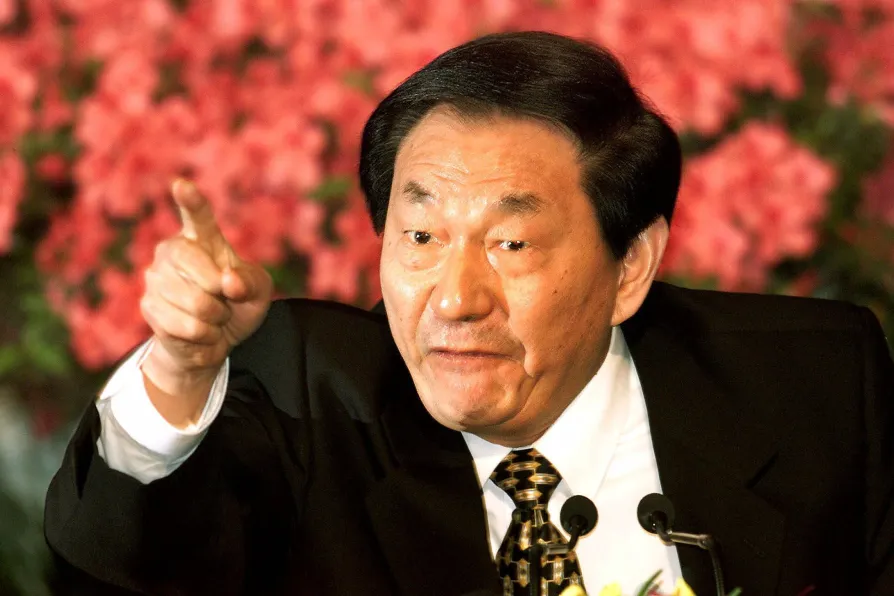 Chinese Premier Zhu Rongji speaks during a news conference in Beijing in 2000






ZHU RONGJI, China’s prime minister from 1998-2003, died today aged 97.
China’s leading political bodies — the Communist Party central committee, the standing committee of the National People’s Congress, the State Council and the national committee of the People’s Political Consultative Conference, put out a joint statement in tribute to “an excellent party member, a time-tested and loyal communist fighter, and an outstanding proletarian revolutionist, statesman and leader of the party and the state.”
Zhu joined the Communist Party in 1949, the year it came to power, and had a rocky career in the Mao years, including being expelled from the party in the 1950s and sent to the countryside to learn from the peasants during the Cultural Revolution, but was rehabilitated in the late 1970s and became an economic planner and then mayor of Shanghai, in which role he worked closely with the then city party secretary and later national Communist Party leader Jiang Zemin.
He became prime minister during Jiang’s second term as general secretary, and was prominent in negotiations that saw China join the World Trade Organisation.
Seen in the West as a marketiser, he also designed China’s modern state-controlled banking system and tackled inflation in the 1990s by imposing strict price controls. He led corruption crackdowns, and was popular with the public as a straight-talking and often witty politician.
After retiring in 2003 aged 74, he published books and continued to publicly engage with his alma mater Tsinghua University, including in 2014 urging economics students to visit the poorest and most rural parts of the country to learn about local conditions as he had once done.

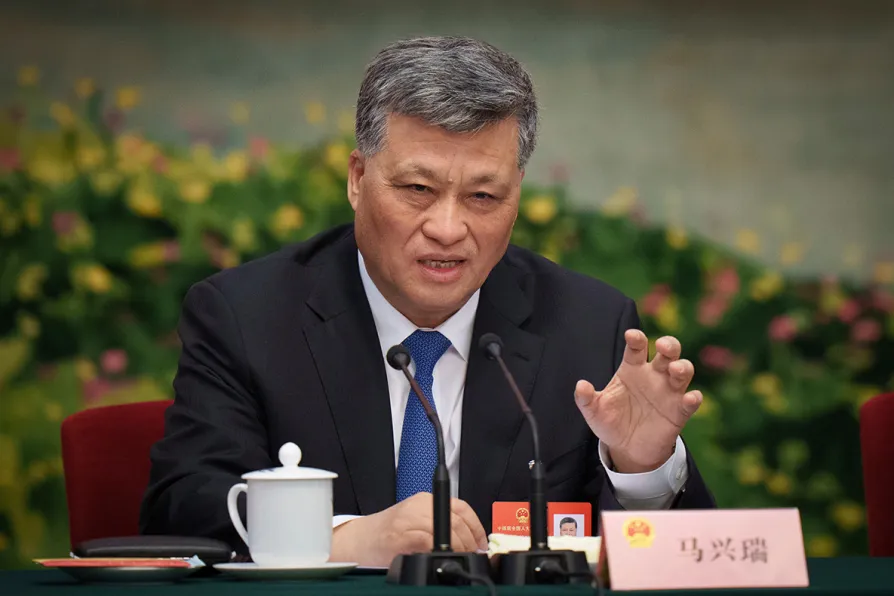

BEN CHACKO welcomes a masterful analysis that puts class struggle back at the heart of our understanding of China’s revolution

STEPHEN BELL reports from a delegation that traced the steps of China’s socialist revolution from its first modest meetings to the Red Army’s epic 9,000km battle to create the modern nation that today defies every capitalist assumption
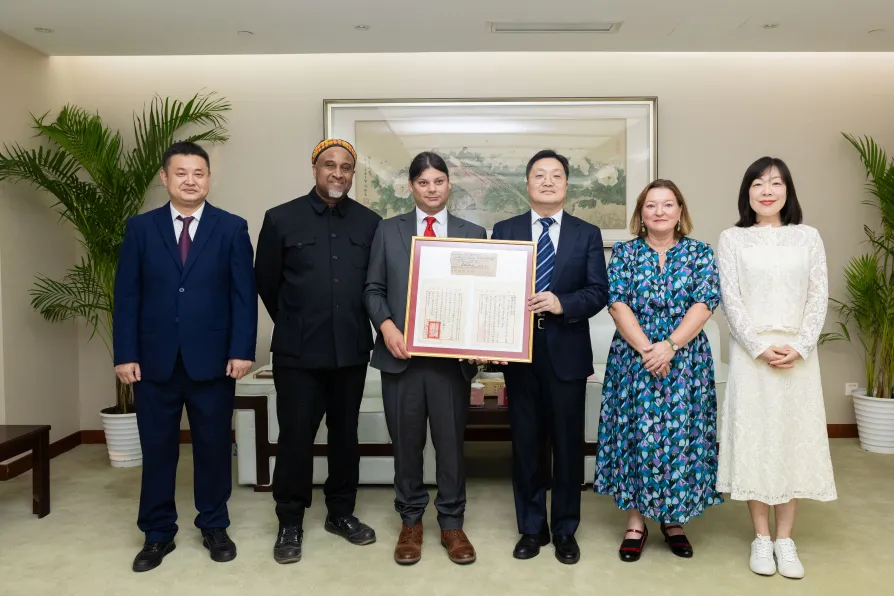
A chance find when clearing out our old office led us to renew a friendship across 5,000 miles and almost nine decades of history, explains ROGER McKENZIE