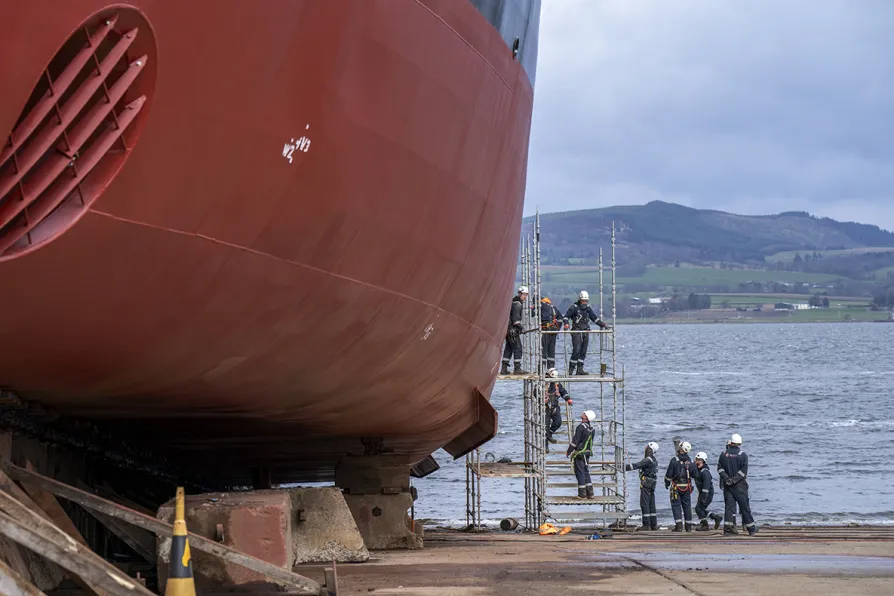
 Workers make final preparations before the launch of the MV Glen Rosa at Ferguson Marine Port Glasgow shipyard, marking the first time the vessel will enter the water, April 9, 2024






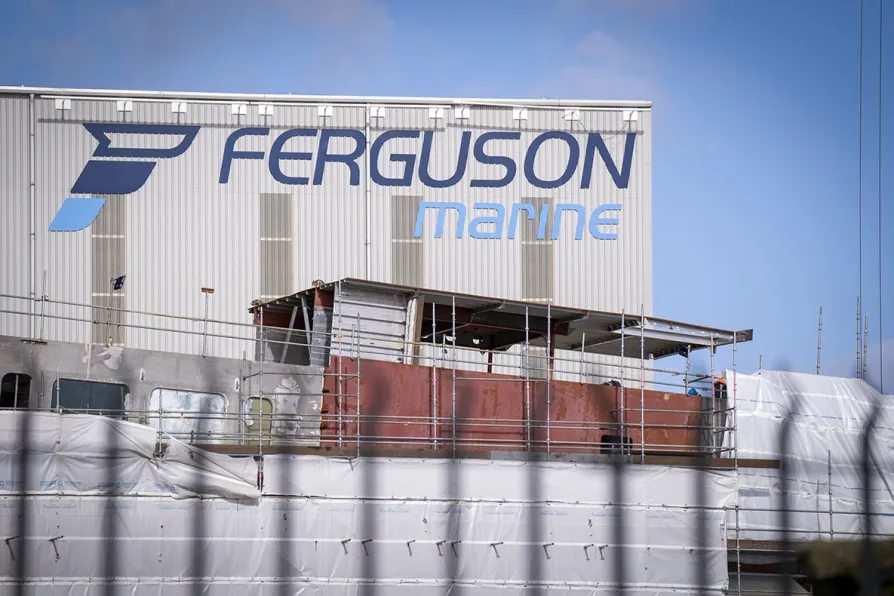
JOB losses at Ferguson Marine are a “betrayal of a blameless workforce” and will drain skills from the last commercial shipyard on the Clyde, according to GMB Scotland.
The biggest union at the publicly owned shipyard blamed a voluntary redundancy programme on ministers’ failure to deliver new contracts while sending work around the world.
Workers are due to deliver the Glen Rosa to CalMac in the final three months of this year.
GMB Scotland secretary Louise Gilmour said 70 jobs are at risk while the Scottish government refuses to sign off contracts promised before the Holyrood election.
She said: “Shipbuilders need ships to build, so where are those promised to Ferguson Marine? If they ever come, who will build them?”
Ms Gilmour said the lack of support and industrial strategy is “abject” and blamed the loss of jobs on the failure to open a pipeline of work after completion of the Glen Rosa and Glen Sannox ferries.
“Their hubris and incompetence have failed a blameless workforce that deserves the chance to turn the page.”
Transport Secretary Stephen Flynn said the voluntary redundancy scheme is “part of efforts to modernise the shipyard and put it on a more competitive footing.”
“I am assured that a reduced workforce will not impact the build of the MV Glen Rosa,” he added.
But Labour economy spokesman Daniel Johnson said the news would cause “significant anxiety for the workers.”
“The SNP must listen to this wake-up call and ensure the pipeline of work promised moves forward with the urgency needed so we can protect these crucial jobs,” he said.
Inverclyde and Renfrewshire West MP Martin McCluskey called the announcement “economic vandalism of the highest order.”

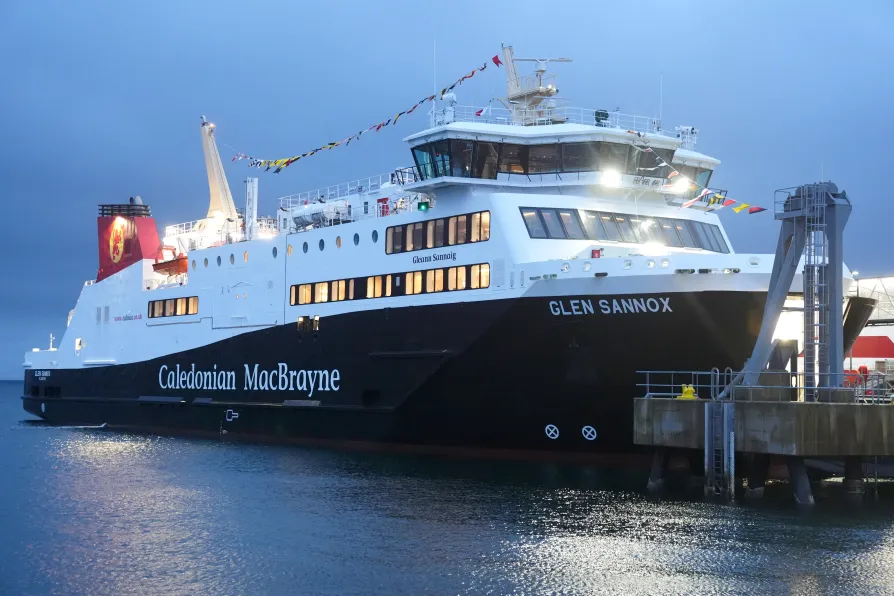
Holyrood incompetence has cost jobs and put the future of Clydeside’s Ferguson Marine shipyard into jeopardy. Its future should have been assured, argues KENNY MACASKILL