
The US administration is endangering lives by reversing environmental protection laws, CHAUNCEY K ROBINSON argues

The popular uprising of the Iranian people goes on
The regime has already resorted to brutal, deadly violence to suppress protests, and is now indicating it will go even further – international solidarity is vital, writes PAYAM SOLHTALAB
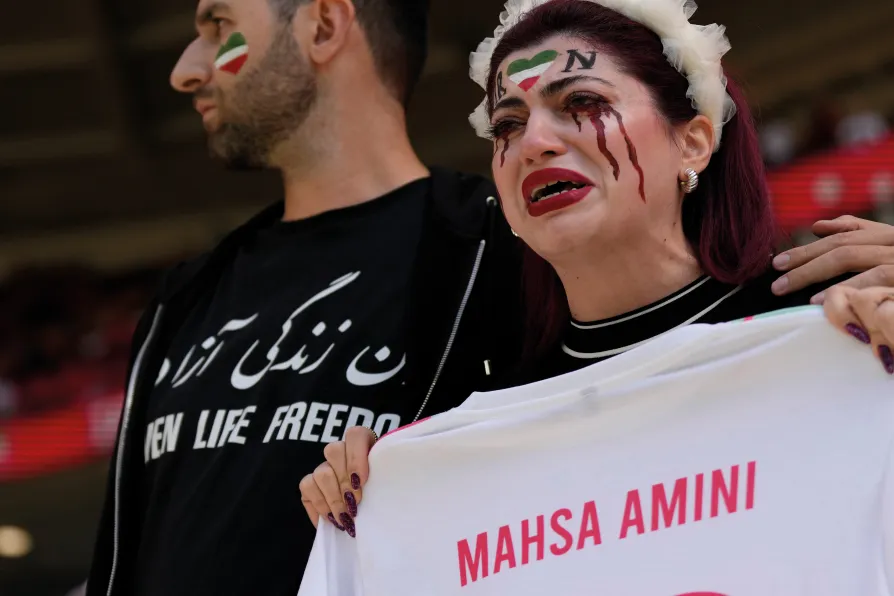
 An Iranian holds up the name of the young woman who died at the hands of the 'morality police' while a male protester displays the ‘women, life, freedom’ slogan of the uprising, before the start of the World Cup match with Wales in Qatar, November 25.
It’s time to stop retreating and go on the offensive to promote working-class interests, argues DOUG NICHOLLS
Marco Rubio wants to defeat socialism in Nicaragua, not restore ‘democracy,’ writes JOHN PERRY
Believe it or not, there was a time when the US government built beautiful homes for working‑class Americans to deal with a housing shortage, writes ERAN BEN-JOSEPH
DIANE ABBOTT provides an analysis of the reasons for EU and British voters’ dramatic swing to the right
Train drivers’ union Aslef general secretary DAVE CALFE speaks to Ben Chacko about his hopes that Burnham’s devolution agenda will include the importance of the railway





OVER recent weeks, Iran has been the scene of widespread protests following the death of 22-year-old Mahsa Amini in the custody of the so-called “morality police” in Tehran.
The country has seen popular protests in all of its 31 provinces, with protesters demanding basic human and democratic rights, as well as social justice. Protests are now into their ninth week, despite the dictatorship’s recourse to brutal violence.
The Iranian regime has been blindsided by the uprising. Despite its heavy-handed tactics and rhetoric casting all protesters as agents of the US, Britain and their regional allies, particularly Israel and Saudi Arabia, the protests rage on.

Similar stories
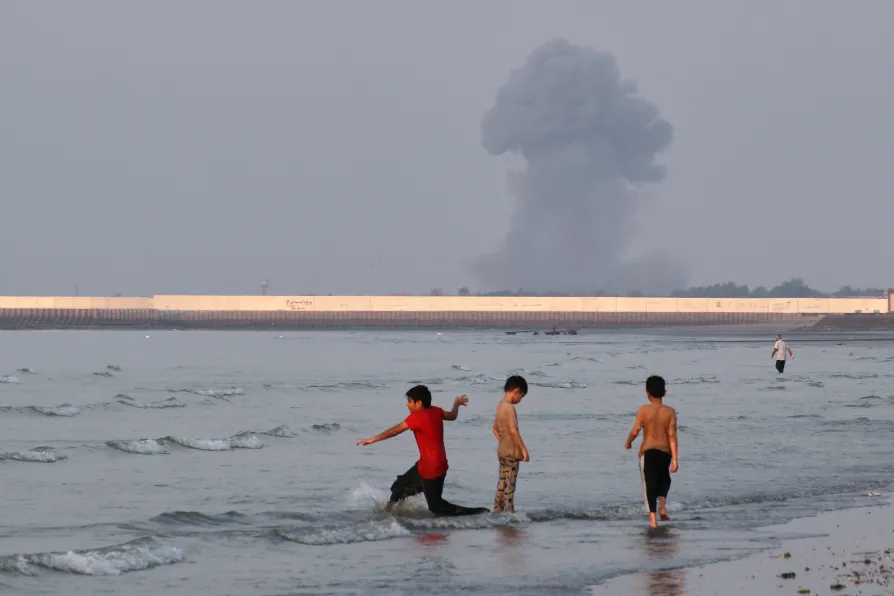
Behind the language of military strategy is a confrontation that risks drawing the wider Middle East into war, says STEVE BISHOP
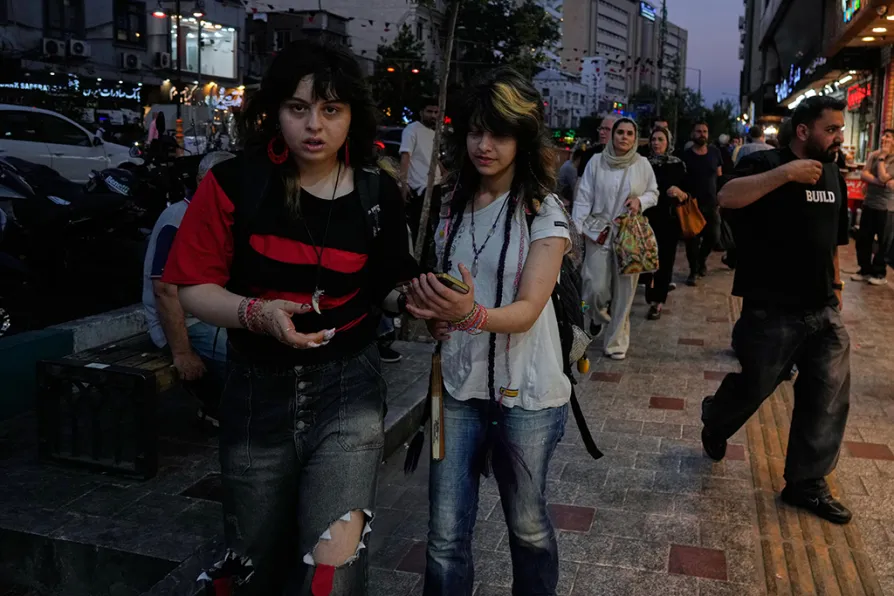
The ceasefire may have halted the fighting for now, but years of economic warfare and recent military attacks have left millions of Iranians facing hardship and uncertainty, says Codir’s RUBEN BRETT
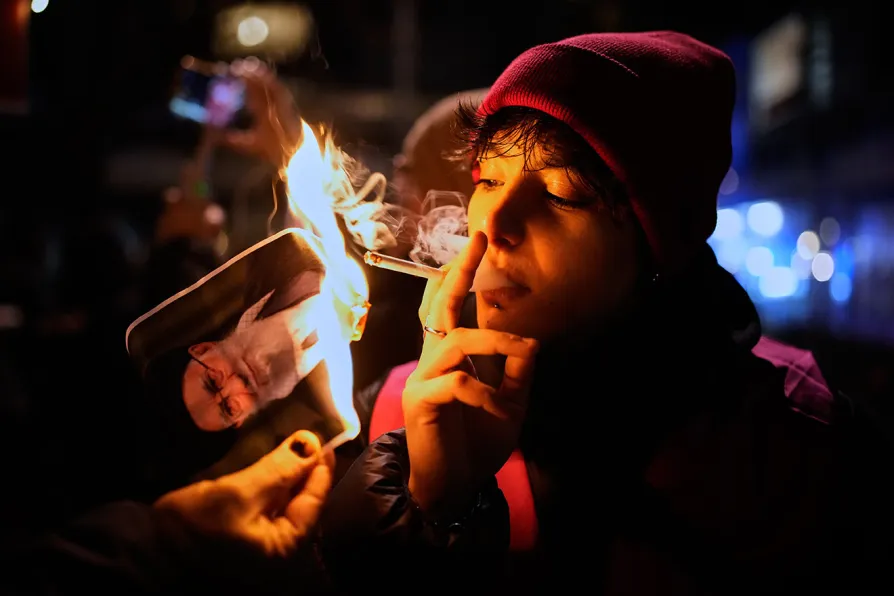
MOHAMMAD OMIDVAR, a senior figure in the Tudeh Party of Iran, tells the Morning Star that mass protests are rooted in poverty, corruption and neoliberal rule and warns against monarchist revival and US-engineered regime change
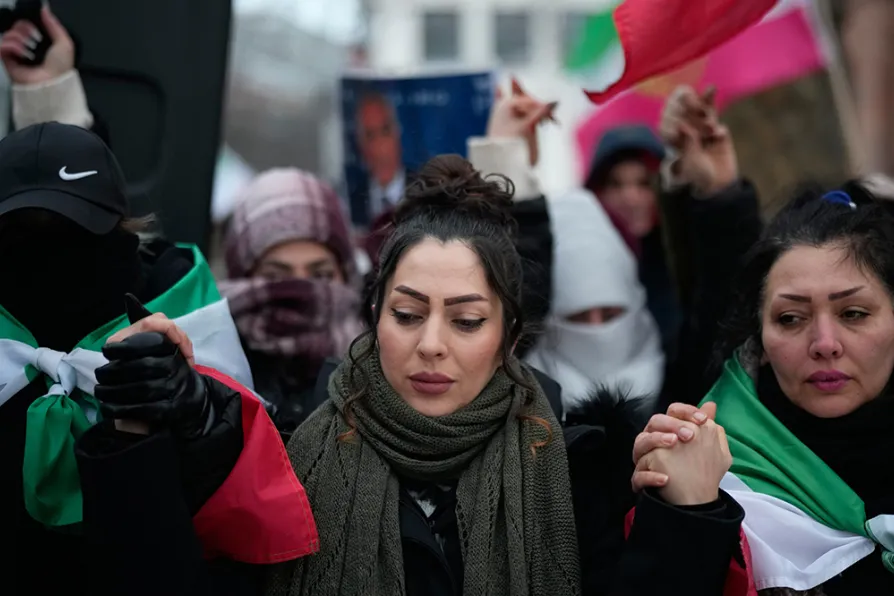
The Committee for the Defence of Iranian People’s Rights (Codir) welcomes demonstrations across Iran, which have put pressure upon the theocratic dictatorship, but warns against intervention by the United States to force Iran in a particular direction