Sovereignty and the rule of law are under threat from Trump’s attacks on Lula’s administration just as they have been across Latin America, argue CARLOS MARTINEZ and SARA VIVACQUA


 Latest editorial

Report card on a failing economic system
Capital’s imperative to reproduce itself has taken it into riskier and riskier places, writes ZOLTAN ZIGEDY
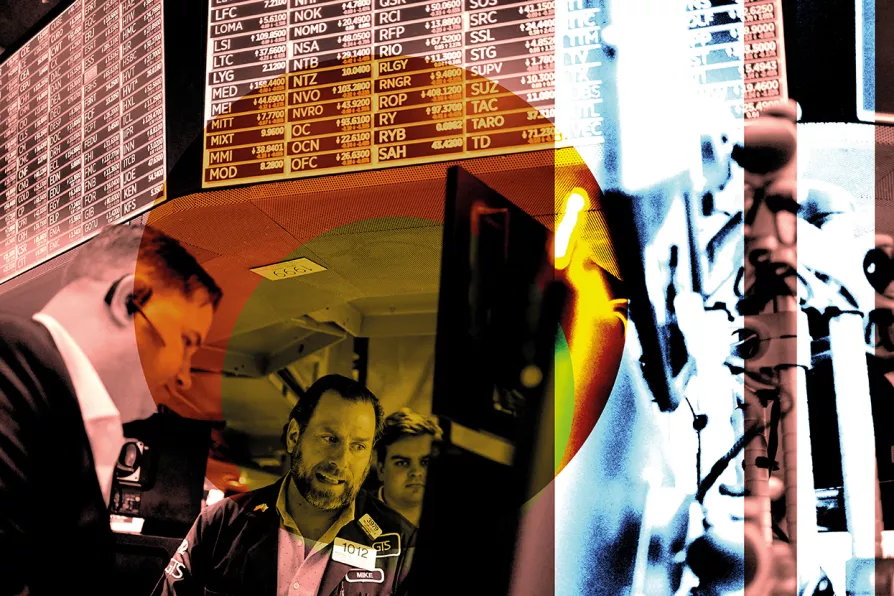 Traders work on the floor at the New York Stock Exchange in New York

Glasgow will remember the martyrs of the 1787 strike this weekend in speech and song, their spirit is sorely needed today, writes JIM LISTER
ALEX BROWN explains how medieval Europe was plunged into sunless years, with widespread crop failures and devastating famines
Police crackdowns on Israeli peace demonstrators combined with court rulings and settler organisations are designed to strip Palestinian families of their homes and land. The Israeli state has tried to silence both Israelis and Palestinians who resist, according to Zo HaDerekh (This Is The Way) the Communist Party of Israel’s Hebrew-language weekly
Remembering a legendary trade unionist and inspirational leader
Communists in Australia, Britain and the US outlined a joint state agreement against their governments’ militarist provocations.





ON Friday May 6 the Federal Reserve released data showing that consumer credit (debt) has been accelerating since the fourth quarter of last year, with revolving credit (largely credit card debt) speeding up at an even greater pace since the third quarter of 2021.
Total consumer credit in the US grew by an annualised rate of 7 per cent in the fourth quarter of last year, increased to 9.7 per cent in this year’s first quarter, and expanded to 14 per cent in March.
At the same time, revolving credit — the debt largely incurred through credit cards — grew 8.3 per cent in the third quarter and 12.7 per cent in the fourth quarter of 2021, and then 21.4 per cent in the first quarter of this year, and an astonishing 35.3 per cent in March.

Similar stories


A sharp rise in public-sector investment is required to kick-start the economy, argues MICHAEL BURKE

Only an ambitious programme of state-led investment can restore growth and improve living standards, argues MICHAEL BURKE

CLAUDIA WEBBE says the US is tightening the noose to destroy Cuban socialism — the need for immediate, international solidarity is urgent