The new Prime Minister must abandon decades of automatic support for US foreign policy, which makes us all less safe, argues DIANE ABBOTT MP


 Latest editorial

Rejecting war is not enough: racism curdles peace
All conflicts and refugees should be treated equally — the uneven support for whites fleeing Ukraine highlights why formerly colonised peoples need to be critical of the Western camp and seek out their own peaceful path, writes CLAUDIA WEBBE MP


Media Lens at 25: David Cromwell and David Edwards reflect on a quarter-century of media criticism, explaining why independent journalism is more important than ever
by Weyman Bennett and Maz’s family
The International Court of Justice has delivered its clearest ruling yet that the right to strike is protected under international law, write Professor TONIA NOVITZ, Professor KEITH EWING and Lord JOHN HENDY KC
Emergency phone alerts could help Britain respond to rising wildfire risk, but Australia’s experience suggests they work best as part of a broader strategy, write ELLIOT CONVERY-FISHER and KATE PARKINS
A champion motorcyclist, trade union organiser and communist, Clem Beckett went from Britain’s speedway tracks to the battlefields of Spain, where he gave his life resisting Franco’s forces at Jarama. GEOFF BOTTOMS pays tribute to this remarkable anti-fascist





WAR and racism have always been violently, tragically inseparable. For centuries, the most devastating and brutal conflicts in the world have been driven by destructive notions of racial superiority and murderous assertions of ethnic differences.
Russia’s invasion of Ukraine is abhorrent and deeply concerning. It is an unprovoked, unjustifiable outrage and a heinous violation of international law that will have long-lasting and tragic consequences. The Russian aggression, military bombardment and deployment of troops to Ukraine should end immediately.
No good can ever come from war and military escalation. As Globetrotter journalist Vijay Prashad said at the People’s Forum in February, “War is never good for the poor. War is never good for workers. War itself is a crime.”

Similar stories
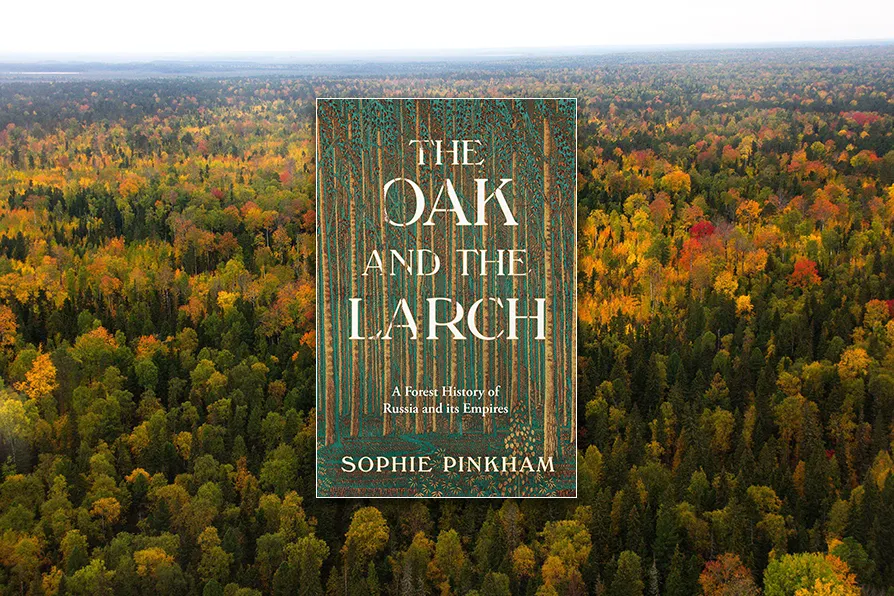
TOMASZ PIERSCIONEK is intrigued by a the changing significance of its vast areas of forest to Russia’s history
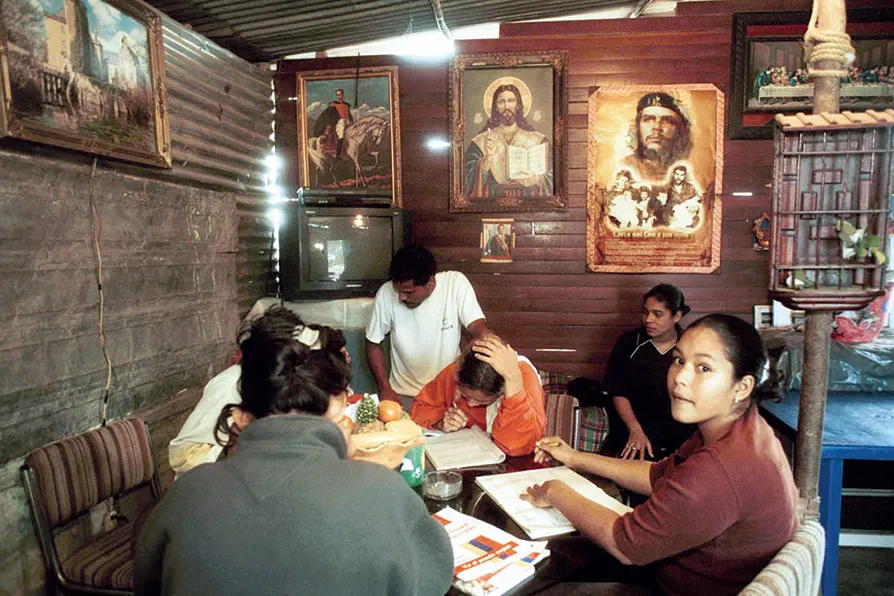
ISAAC SANEY points to the global stakes involved in defending the Cuban revolution against imperialism and calls for resistance
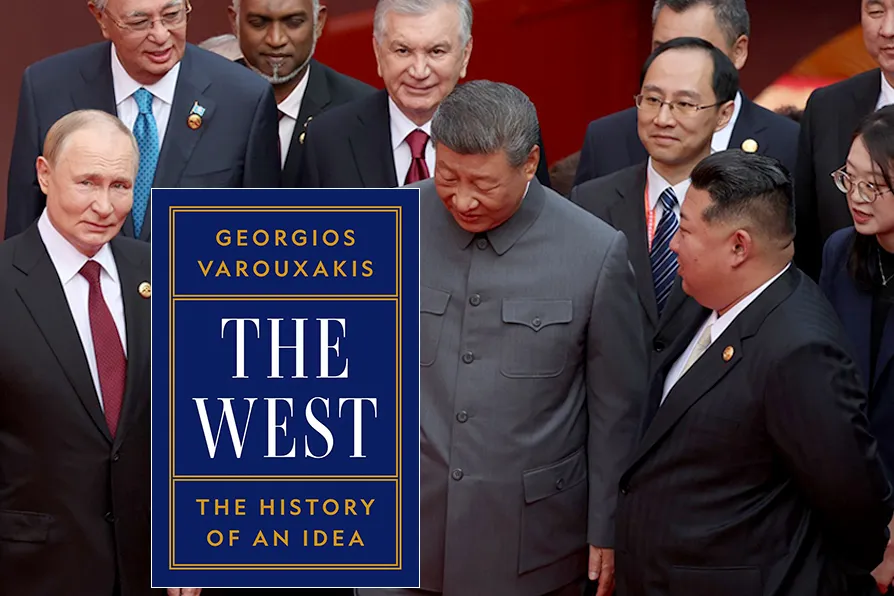
BRENT CUTLER is intrigued by the imperialist, supremacist and contradictory history of a word that is used all too easily
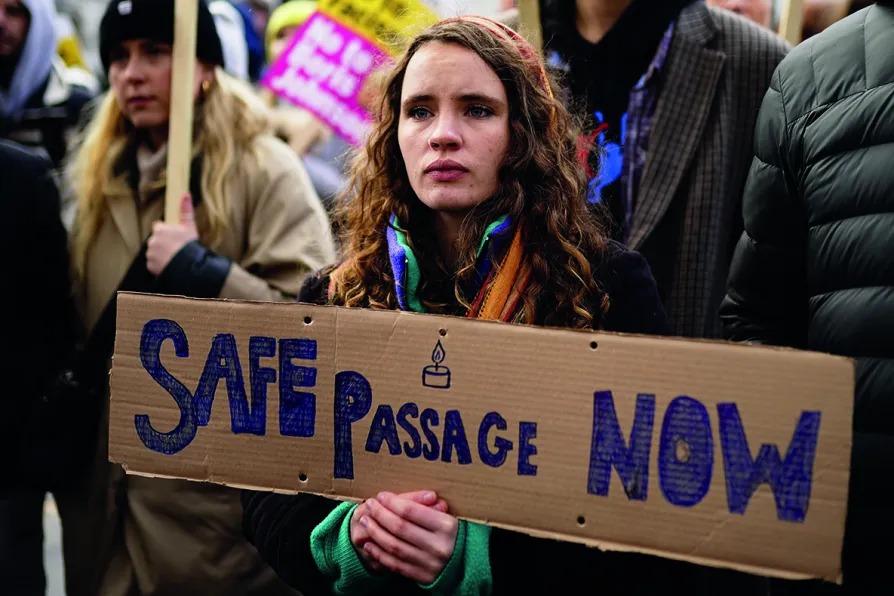
Britain’s proud asylum history, from sheltering the Kindertransport escaping Hitler to Basque children fleeing fascist Spain, required tireless campaigning against persistent opposition — and it’s up to all of us to do our part today, writes SABINA PRICE