Police crackdowns on Israeli peace demonstrators combined with court rulings and settler organisations are designed to strip Palestinian families of their homes and land. The Israeli state has tried to silence both Israelis and Palestinians who resist, according to Zo HaDerekh (This Is The Way) the Communist Party of Israel’s Hebrew-language weekly


 Latest editorial

Outsmarting the media moguls
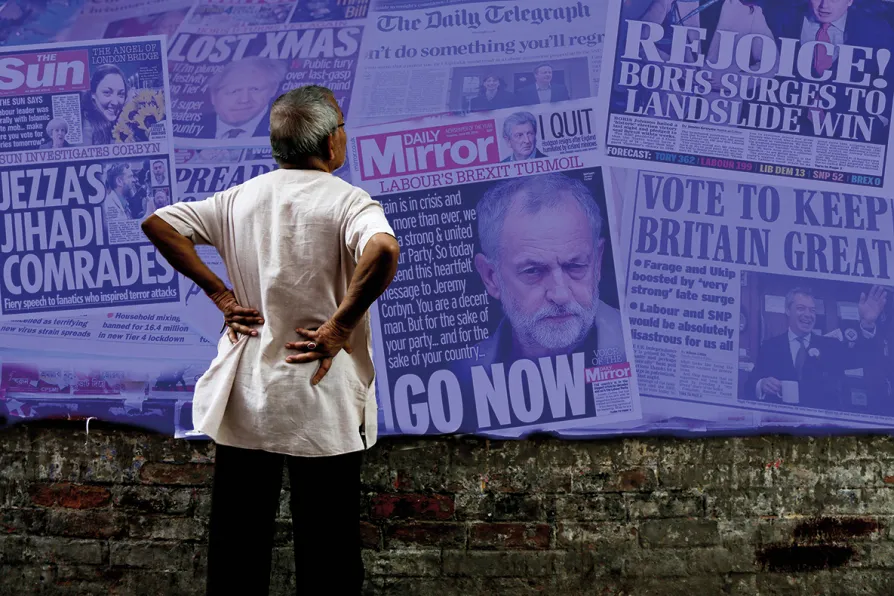
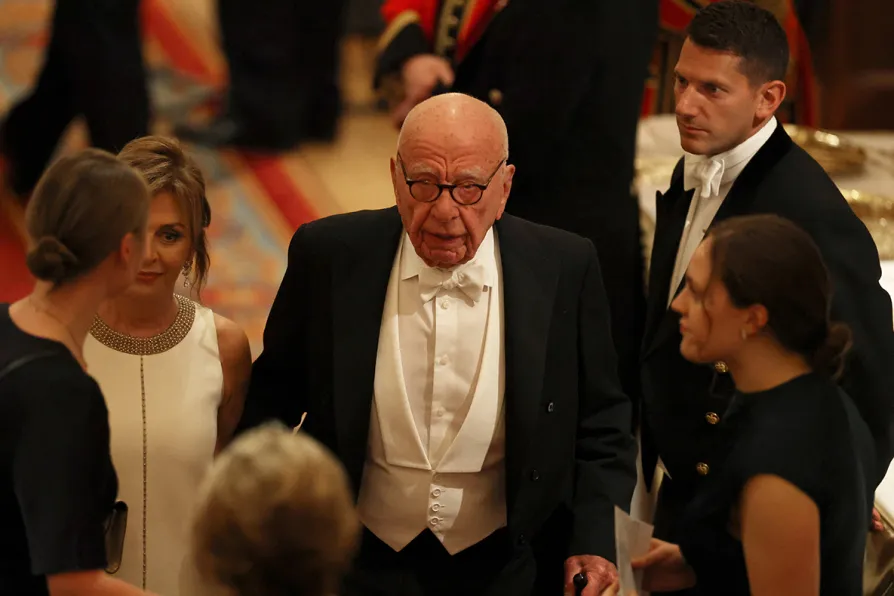
One of the major problems for engagement with progressive politics is the dominance of the right-wing, corporate media — a situation which is only getting worse with Murdoch's plans to expand. We must fight back on all fronts, writes JOHN GREEN

The attacks on black academics are well-funded and relentless, writes DIANE ABBOTT, and they need to be fearlessly resisted by all concerned
Communists in Australia, Britain and the US outlined a joint state agreement against their governments’ militarist provocations.
Extreme hot weather resulting from environmental change needs to be tackled through greater firefighting investment instead of fewer jobs and less resources, writes COLIN BROWN
Faced with crises in every direction, Volodymr Zelensky is rewriting his country’s complex history by paying homage to the founding fathers of Ukrainian ultra-nationalism and courting their modern heirs, writes KENNY COYLE
There are many intricate details about the new Saudi, Turkish and Pakistani alliance we do not yet know, suggests ROGER McKENZIE, but its impact could be considerable





LETTER-WRITERS to the press and many pundits themselves ask pleadingly why so many of their fellow citizens vote for parties and politicians who are opposed to their best interests — and why do so many not even bother with politics or voting at all?
While there may be no simple answer to such queries, undoubtedly one of the key reasons is the ownership of the media and the deliberate dumbing down of content.
The urgent need for a thorough democratisation of the media was stressed by Jeremy Corbyn during the launch of his Peace and Justice Project last weekend.

Similar stories
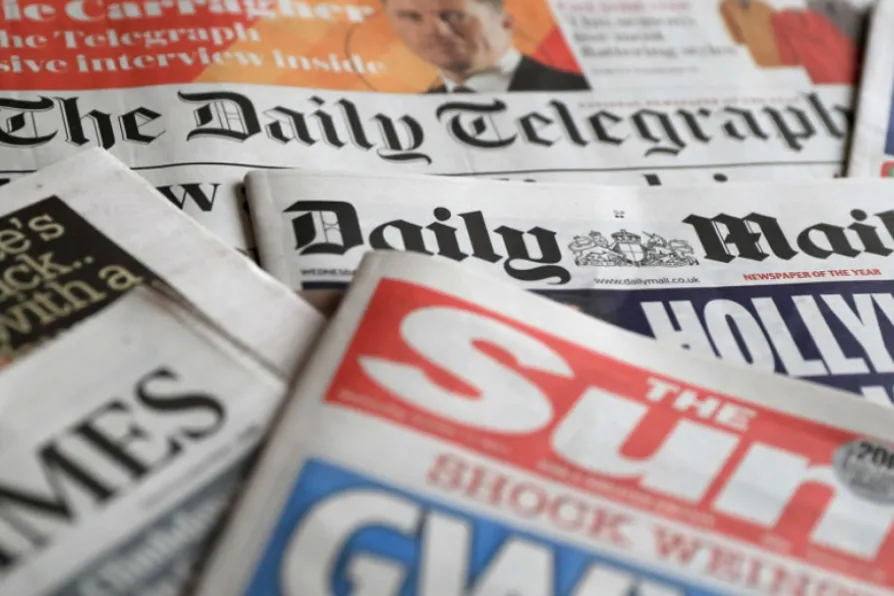
Media Lens at 25: David Cromwell and David Edwards reflect on a quarter-century of media criticism, explaining why independent journalism is more important than ever
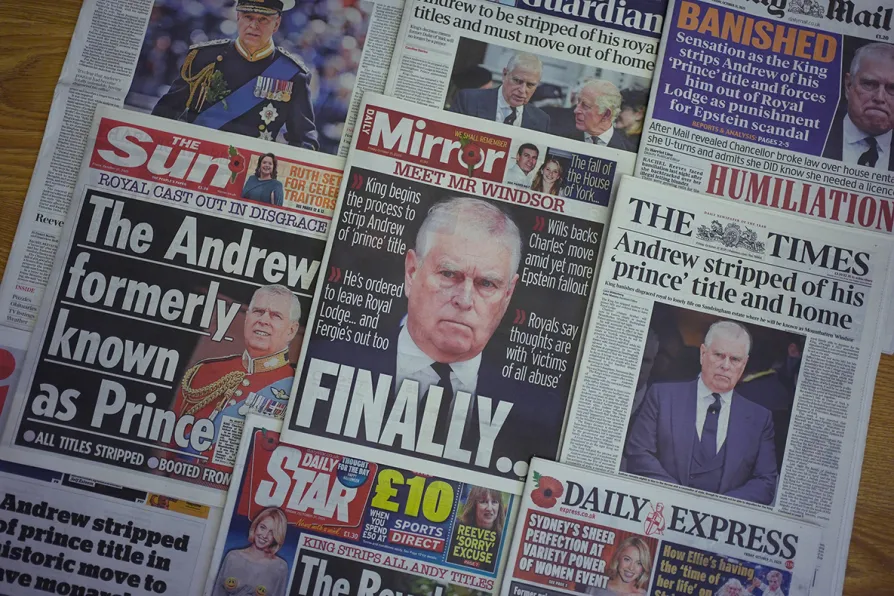
Claims that digital media has rendered press power obsolete are a dangerous myth, argues DES FREEDMAN
![[Pic: Andrew Wiard]](https://msd11.gn.apc.org/sites/default/files/styles/desktop/public/2026-01/19860330_a_wiard_0001JPG.jpg.webp?itok=nkzZbinE)
As advertising drains away, newsrooms shrink and local papers disappear, MIKE WAYNE argues that the market model for news is broken – and that public-interest alternatives, rooted in democratic accountability, are more necessary than ever
LOUISA BULL traces how derecognition, outsourcing and digitalisation reshaped the industry, weakened collective bargaining and created today’s precarious media workforce