The question is not simply how much we spend on defence, but what we understand defence and security to mean, says SIMON BRIGNELL



The importance of knowing our own strength: the anti-war movement and British foreign policy
We must resist the tendency to see our protests for peace as failures if they do not end a specific conflict: looking at the evidence from Vietnam to Iraq, they have had a profound effect on curtailing military aggression, explains IAN SINCLAIR

Given the recent rejection of peace proposals by Israel the world must provide an immediate and resolute response to force accountability on Gaza, argues RAMZY BAROUD
MARK SEDDON tries to cool off in the countryside to avoid the heatwaves but the greed and incompetence of the privatised water industry is now at boiling point
The disputed election of a far-right president, who is also a US citizen, signals further consolidation of Washington’s regional power and represents a threat to the country’s democracy and sovereignty, writes WT WHITNEY JNR
by Her Excellency Ismara Mercedes Vargas Walter, Ambassador of the Republic of Cuba to the United Kingdom
DR STEPHEN WILKINSON assesses the life and legacy of a revolutionary giant





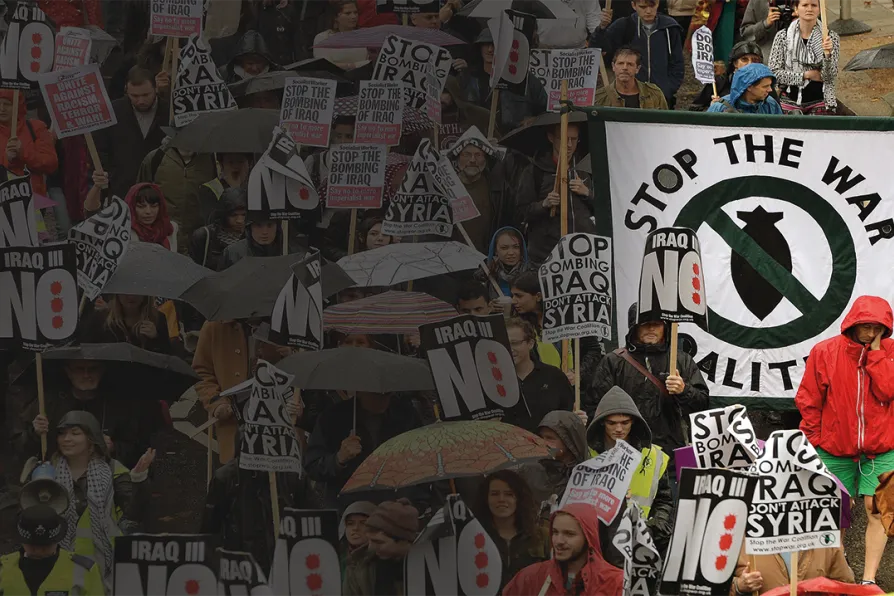
THOUGH considered an abject failure by many, the enormous British anti-war movement against the 2003 Iraq War has had a number of long-lasting impacts on British politics and society.
One unfortunate effect is, nearly 20 years later, the movement’s inability to stop the invasion continues to breed defeatism when it comes to the general public influencing British foreign policy.
For example, discussing the large-scale British protests against the recent Israeli bombardment of Gaza, one Middle East scholar quipped on Twitter, “If history has taught me anything, when people in Britain march against immoral actions in the Middle East, their government will almost certainly ignore them.”

Similar stories
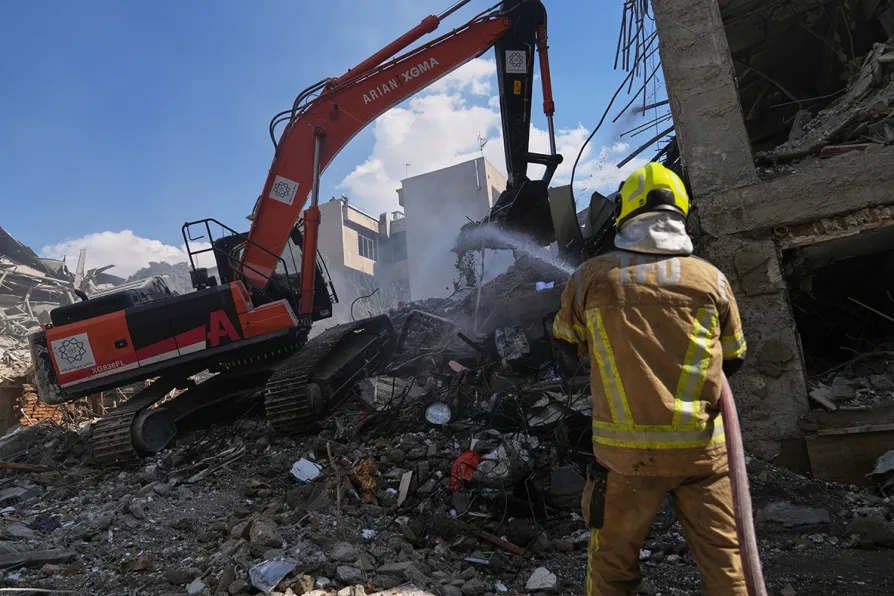
From Vietnam to Iran, US leaders repeat a failed strategy of terror bombing – one that history shows cannot break a determined, resilient society, says DYLAN MURPHY
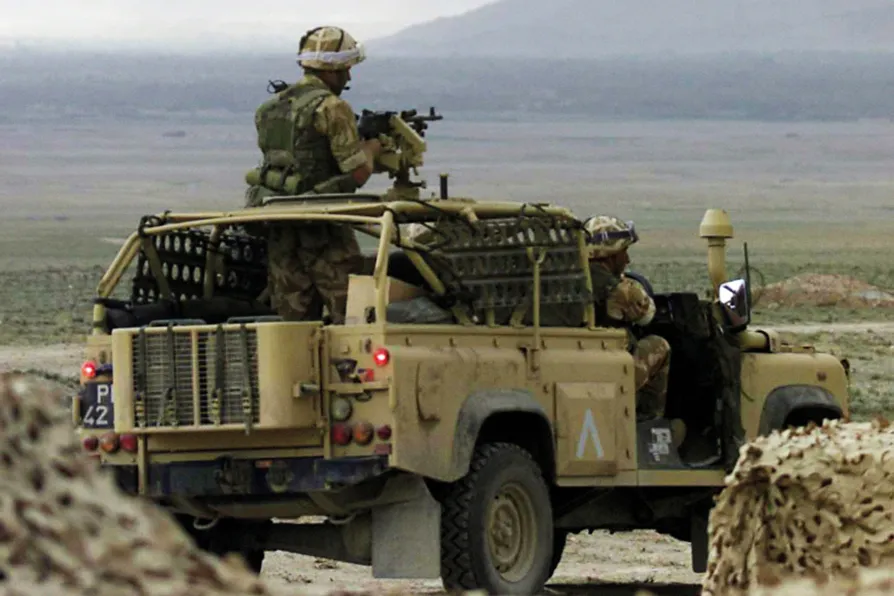
Outrage greeted Donald Trump’s suggestion earlier this year that Britain stayed off the front lines. But evidence suggests our forces were at times pulled from the most dangerous fighting — not by military failure, but by pressure at home, says IAN SINCLAIR
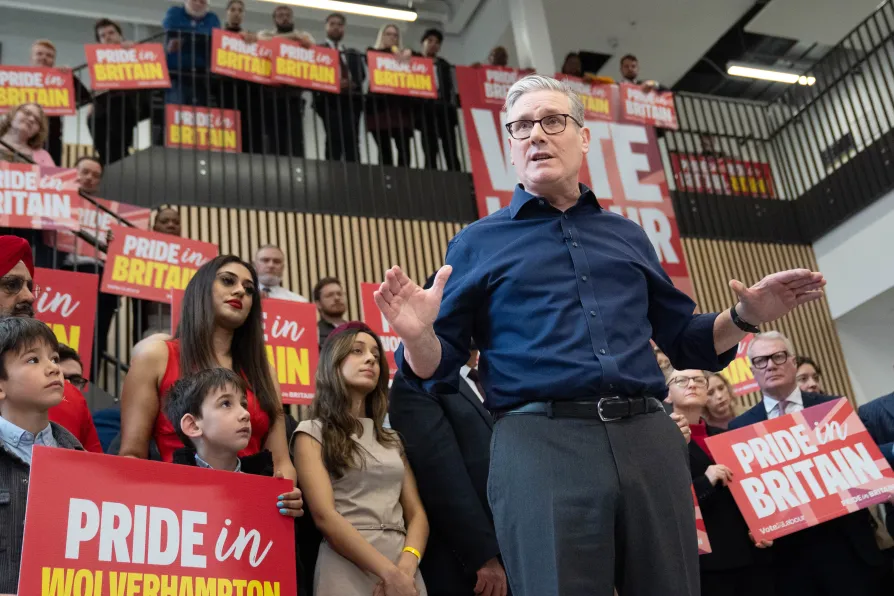
The PM is drawing cautious distance from Donald Trump over Iran – but history suggests Britain’s support may run deeper than it appears, just as it did during the Vietnam war, says KEITH FLETT
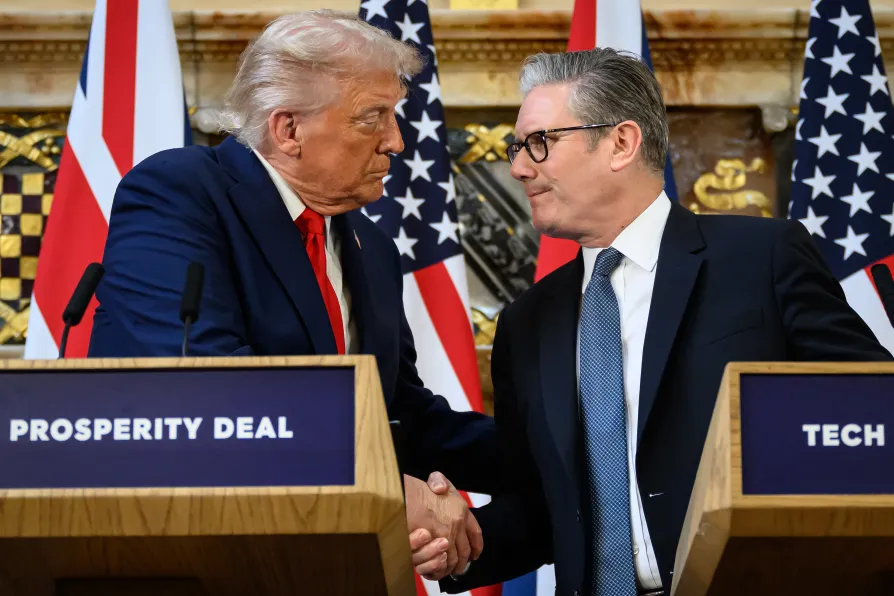
The media present Starmer as staying out of Trump’s war — but we’re already deeply involved in a conflict that sees the US and Israel kill civilians on a huge scale, argues IAN SINCLAIR