
The US administration is endangering lives by reversing environmental protection laws, CHAUNCEY K ROBINSON argues

The G7, economic coercion and the art of projection
The rich nations of the group of seven are intent on maintaining their collective interest as world powers at the expense of the global South. Pretending otherwise doesn’t stand up to scrutiny, writes CARLOS MARTINEZ

 MUTUALLY BENEFICIAL: Africa's urban rail transit project in Addis Ababa after securing funds from the Export-Import Bank of China. Trial operations were begun in February 2015
[(L to R) Turtlewong/Wikiwand/CC and A.Savin/CC]
MUTUALLY BENEFICIAL: Africa's urban rail transit project in Addis Ababa after securing funds from the Export-Import Bank of China. Trial operations were begun in February 2015
[(L to R) Turtlewong/Wikiwand/CC and A.Savin/CC]

It’s time to stop retreating and go on the offensive to promote working-class interests, argues DOUG NICHOLLS
Marco Rubio wants to defeat socialism in Nicaragua, not restore ‘democracy,’ writes JOHN PERRY
Believe it or not, there was a time when the US government built beautiful homes for working‑class Americans to deal with a housing shortage, writes ERAN BEN-JOSEPH
DIANE ABBOTT provides an analysis of the reasons for EU and British voters’ dramatic swing to the right
Train drivers’ union Aslef general secretary DAVE CALFE speaks to Ben Chacko about his hopes that Burnham’s devolution agenda will include the importance of the railway





THE stunning hubris and hypocrisy of the imperialist powers was on full display in Hiroshima last weekend, with the G7 condemning China for a “disturbing rise” in its “weaponisation of economic vulnerabilities.”
Coercion is, after all, at the heart of what unites the countries of the G7 — a for-us-by-us club of rich nations with a collective interest in maintaining their place at the top of the geopolitical pyramid.
Each member state built its wealth to a significant degree on the basis of colonialism and the exploitation of the land, labour, resources and markets of the global South.

Similar stories

CARLOS MARTINEZ responds to liberal hawk Simon Tisdall’s evidence-free China-bashing and asks whose agenda it really serves
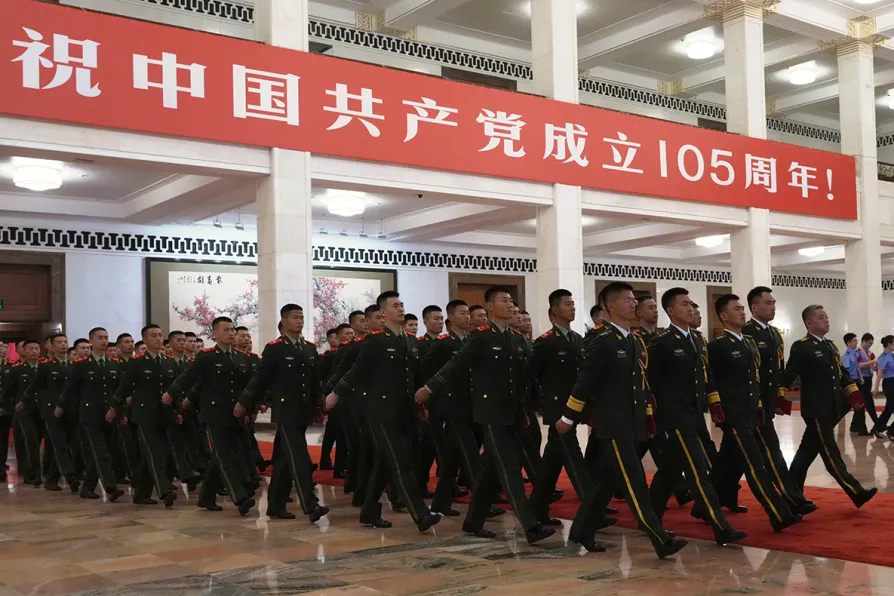
Marking milestones in the histories of China and the United States, this week offers a chance to examine two very different visions of the international order, says CARLOS MARTINEZ
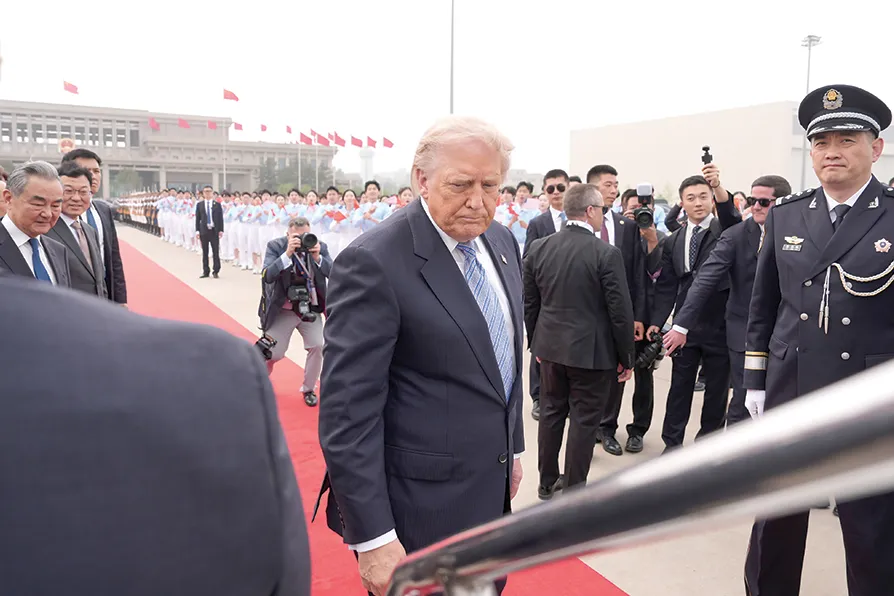
JENNY CLEGG looks at the key points that defined the China-US relationship, for now

The cancelled China trip of the German Foreign Minister marks a break with Helmut Schmidt’s China policy and drives Germany further into Washington’s confrontation course, warns SEVIM DAGDELEN