The attacks on black academics are well-funded and relentless, writes DIANE ABBOTT, and they need to be fearlessly resisted by all concerned



China’s ‘common prosperity’ agenda
China’s rich apparently don’t like it, Western commentators call it suicidal — so what exactly is this ‘common prosperity’ that Xi Jinping is promoting in his third term as leader? In part two of three-part series, JENNY CLEGG explains
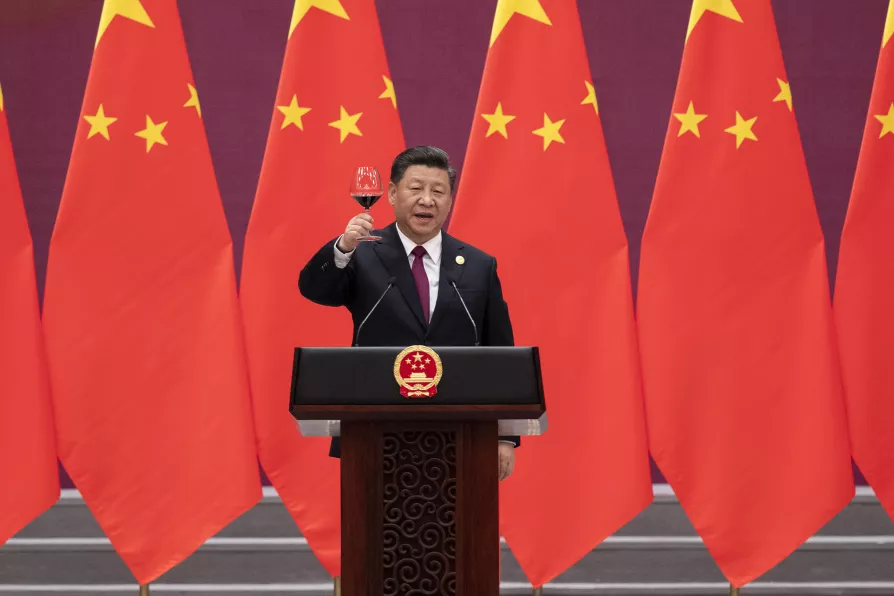
 China’s immediate priority is to upgrade its technology. Escaping the dead end of trading cheap labour exports for high-end imports means pouring investment into skills and science, innovating new technologies to drive the industrialisation of the future.

Extreme hot weather resulting from environmental change needs to be tackled through greater firefighting investment instead of fewer jobs and less resources, writes COLIN BROWN
There are many intricate details about the new Saudi, Turkish and Pakistani alliance we do not yet know, suggests ROGER McKENZIE, but its impact could be considerable
Holyrood incompetence has cost jobs and put the future of Clydeside’s Ferguson Marine shipyard into jeopardy. Its future should have been assured, argues KENNY MACASKILL
Hot and dry conditions are threatening British species unequipped for drought, explains PAUL ASHTON
The Baltic state is set to reverse its constitutional prohibition on nuclear weapons and foreign bases as part of accelerated Nato war preparations, warns TOM UNTERRAINER





FIRST mentioned by Mao Zedong in 1953 in China’s transition to socialism, the phrase “common prosperity” was also used by Deng Xiaoping — his call for some to “get rich first” always qualified with the phrase “so that they can help others to catch up.”
Now Xi is taking “common prosperity” as a defining feature of China’s socialist modernisation — at the core of the two-stage plan, laying a basic socialist foundation by 2035 to then advance to modern socialism by 2049, the 100th anniversary of the founding of the People’s Republic of China.
The gap between rich and poor is to be reduced, but what common prosperity is not is an equalisation of incomes or a radical redistribution from the rich to the poor. Xi talks rather of increasing the incomes of low-income earners and expanding the size of the middle-income group.

Similar stories
China’s investment and commitment to scientific research is already paying off, pushing the country to the centre stage of global technological advance, writes S Krishnaswamy
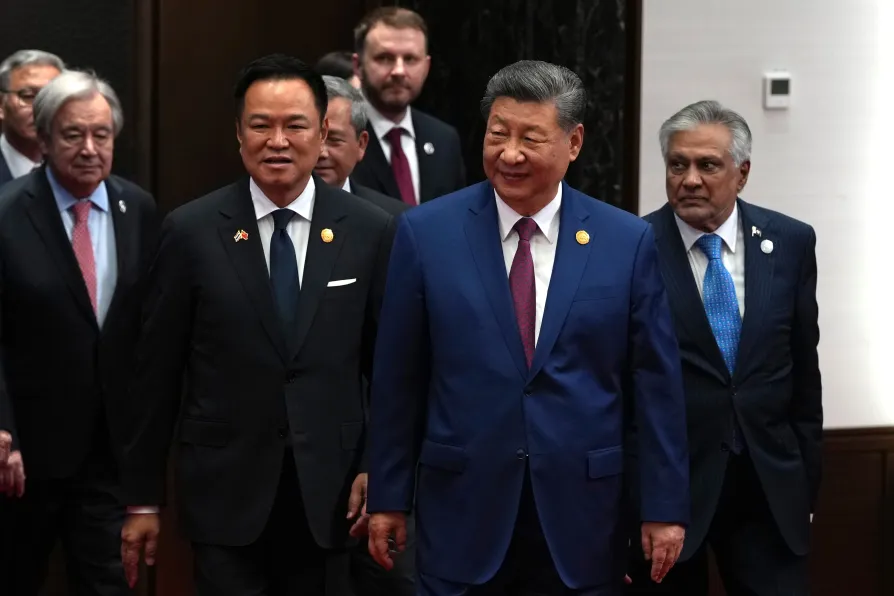
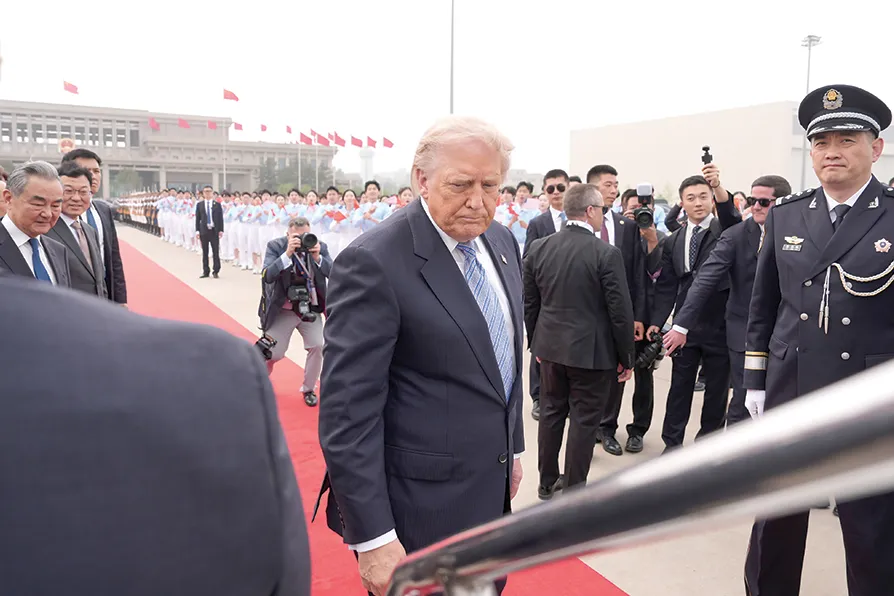
JENNY CLEGG looks at the key points that defined the China-US relationship, for now

In Part 4 of her look at the Chinese revolution JENNY CLEGG addresses the relationship between the Peasant Movement and the National Movement