
The US administration is endangering lives by reversing environmental protection laws, CHAUNCEY K ROBINSON argues

A century of the Communist Party of China: no Great Wall
In the final piece in the series, CARLOS MARTINEZ looks at how market reforms and ‘opening up’ after 1978 built on the first 30 years of the revolution, rather than reversing it



It’s time to stop retreating and go on the offensive to promote working-class interests, argues DOUG NICHOLLS
Marco Rubio wants to defeat socialism in Nicaragua, not restore ‘democracy,’ writes JOHN PERRY
Believe it or not, there was a time when the US government built beautiful homes for working‑class Americans to deal with a housing shortage, writes ERAN BEN-JOSEPH
DIANE ABBOTT provides an analysis of the reasons for EU and British voters’ dramatic swing to the right
Train drivers’ union Aslef general secretary DAVE CALFE speaks to Ben Chacko about his hopes that Burnham’s devolution agenda will include the importance of the railway





MANY consider that “reform and opening up” was a total transformation of Chinese economics and politics and a negation of the first three decades of socialist construction.
Certainly, the strategy adopted by the Deng Xiaoping leadership from 1978 was in part designed to correct certain mistakes and imbalances; however, it was also a response to changing objective circumstances — specifically, a more favourable international environment resulting from the restoration of Beijing’s seat at the United Nations (1971) and the rapprochement between China and the US.
Thomas Orlik, chief economist at Bloomberg Economics, correctly observes that, “When Deng Xiaoping launched the reform and opening process, friendly relations with the United States provided the crucial underpinning. The path for Chinese goods to enter global markets was open.”

Similar stories
China’s investment and commitment to scientific research is already paying off, pushing the country to the centre stage of global technological advance, writes S Krishnaswamy

Friedrich Merz’s call for a new Plaza Accord ignores how Washington’s 1985 currency ambush destroyed Japan without fixing US deficits — China, a sovereign socialist state with 1.4 billion consumers, cannot be bullied the same way, writes CARLOS MARTINEZ
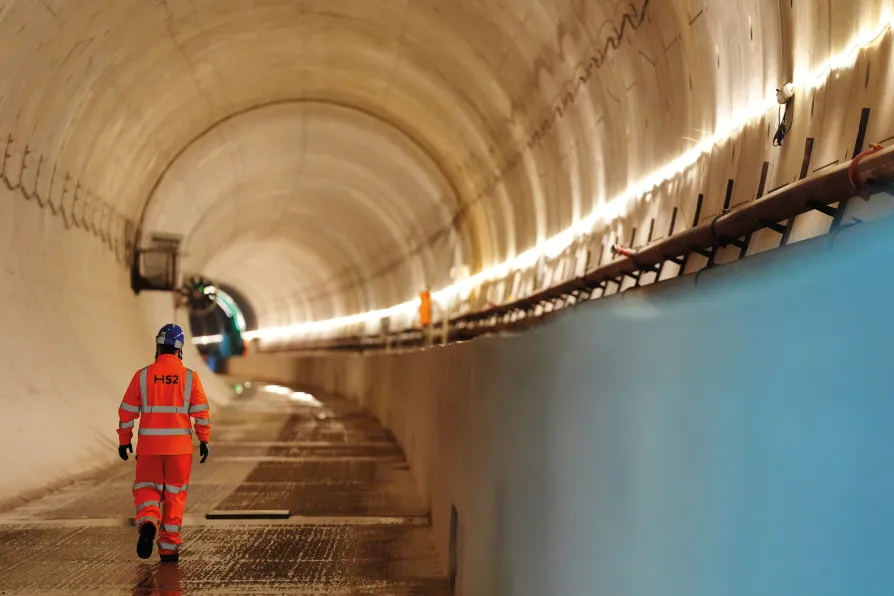
The HS2 debacle exposes what happens when public infrastructure is handed to private contractors – especially when set against China’s state-led high-speed rail success, says CARLOS MARTINEZ

STEPHEN BELL reports from a delegation that traced the steps of China’s socialist revolution from its first modest meetings to the Red Army’s epic 9,000km battle to create the modern nation that today defies every capitalist assumption