The question is not simply how much we spend on defence, but what we understand defence and security to mean, says SIMON BRIGNELL



A timeline of the plague year
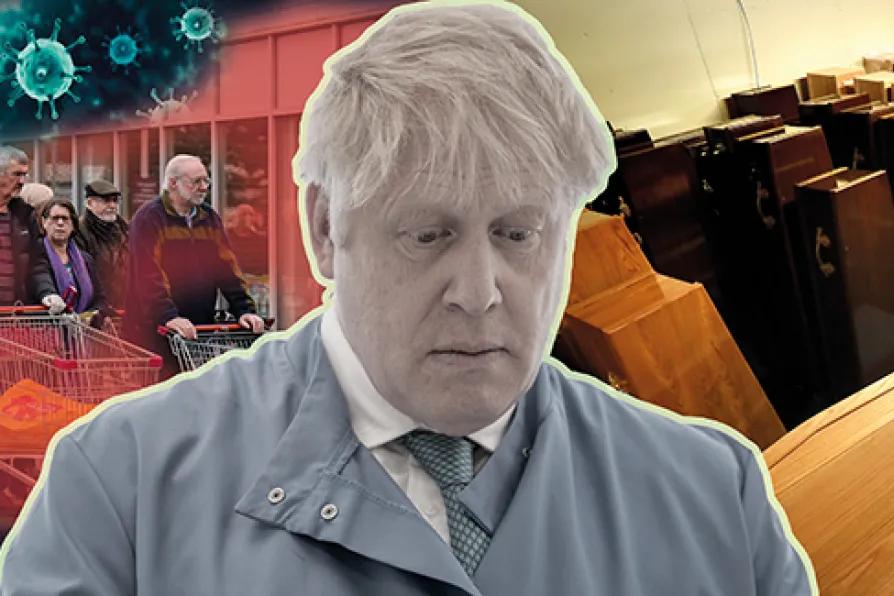
With the liberal press unwilling to even try to hold them to account, history needs the true story of the Tories’ Covid failures. IAN SINCLAIR introduces his new comprehensive report on the scandal that cost thousands of lives


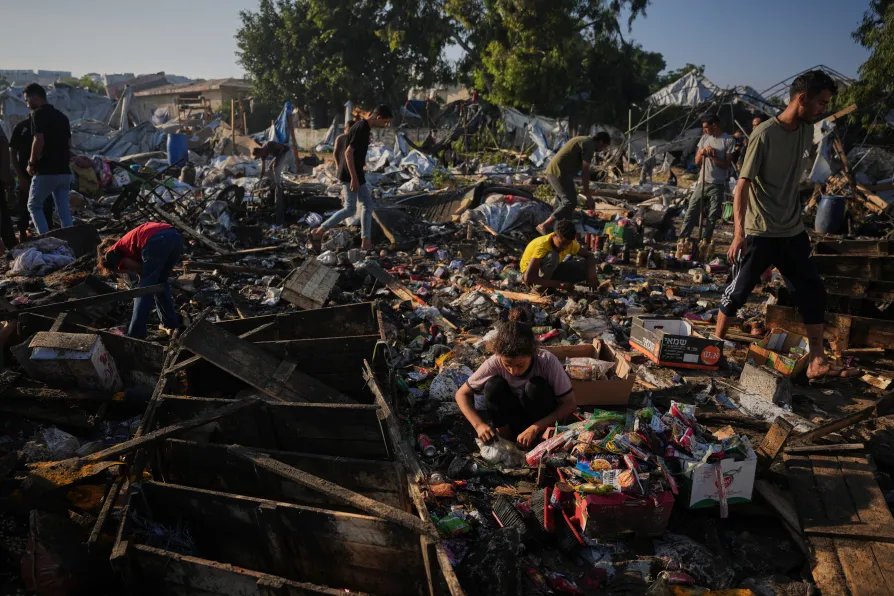
Given the recent rejection of peace proposals by Israel the world must provide an immediate and resolute response to force accountability on Gaza, argues RAMZY BAROUD
MARK SEDDON tries to cool off in the countryside to avoid the heatwaves but the greed and incompetence of the privatised water industry is now at boiling point
The disputed election of a far-right president, who is also a US citizen, signals further consolidation of Washington’s regional power and represents a threat to the country’s democracy and sovereignty, writes WT WHITNEY JNR
by Her Excellency Ismara Mercedes Vargas Walter, Ambassador of the Republic of Cuba to the United Kingdom
DR STEPHEN WILKINSON assesses the life and legacy of a revolutionary giant





TO MARK the one year anniversary of the first national lockdown last month, the Guardian published profiles of Chief Scientific Adviser Sir Patrick Vallance and Chief Medical Officer Chris Whitty.
“The wealthy civil servant’s year of speaking truth to power” was the title of the fawning article on Vallance. Discussing the early days of the pandemic, the Guardian’s Rupert Neate asserted “Vallance may have been one of the few people in Whitehall who understood what was coming.” Echoing the title, he noted “Vallance’s friends and colleagues say that he is not afraid to speak scientific truth to power.”
The profile on Whitty was similarly obsequious, titled: “The calm voice who steered a nation in crisis.” The co-authors Ian Sample and Heather Stewart wrote: “The crisis has demanded dedication and stamina, but Whitty has also needed the trust of those around him.”

Similar stories
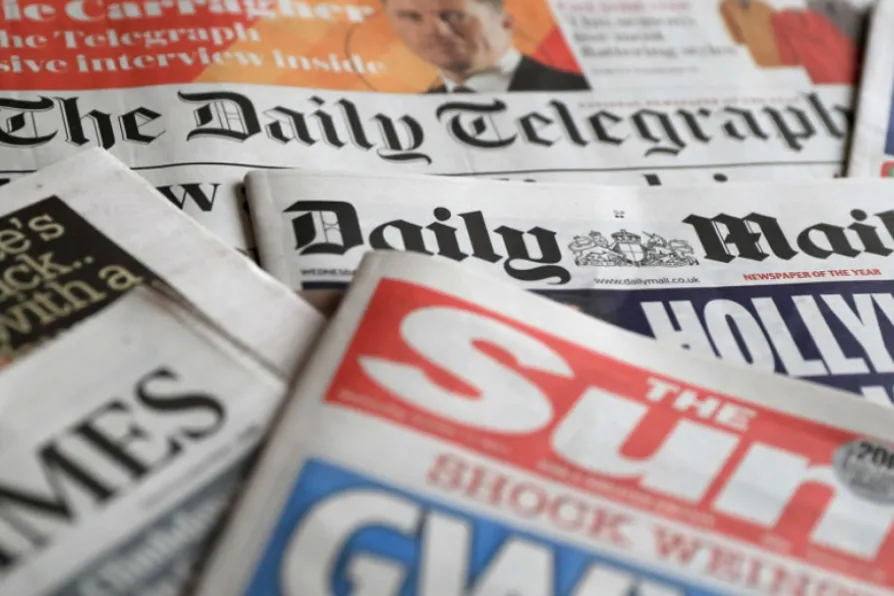
Media Lens at 25: David Cromwell and David Edwards reflect on a quarter-century of media criticism, explaining why independent journalism is more important than ever
IAN SINCLAIR examines the curious memory lapses across liberal media when it comes to British government crimes
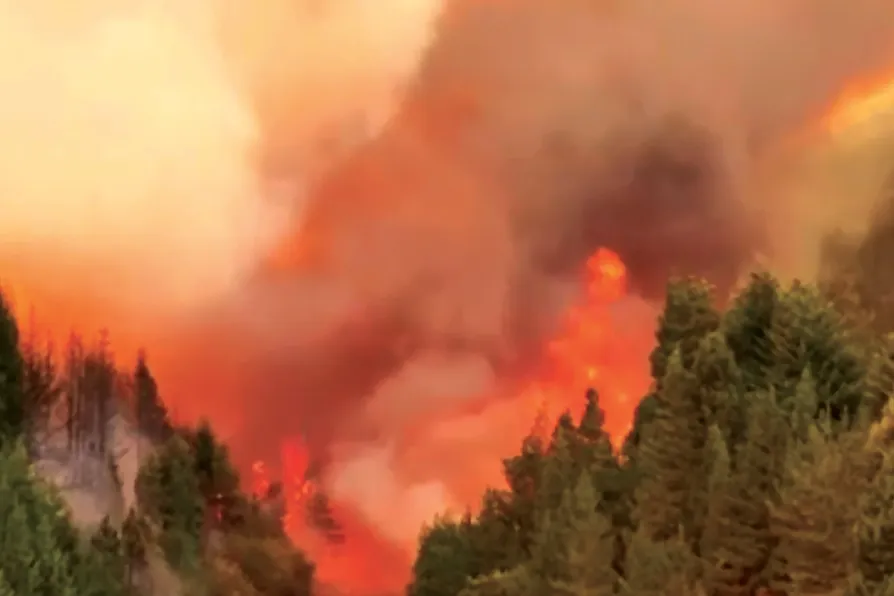
Established as a landmark victory for the climate movement, the CCC promised to hold governments to account. Today, it is understating the danger of climate chaos and impeding the radical action needed, says IAN SINCLAIR
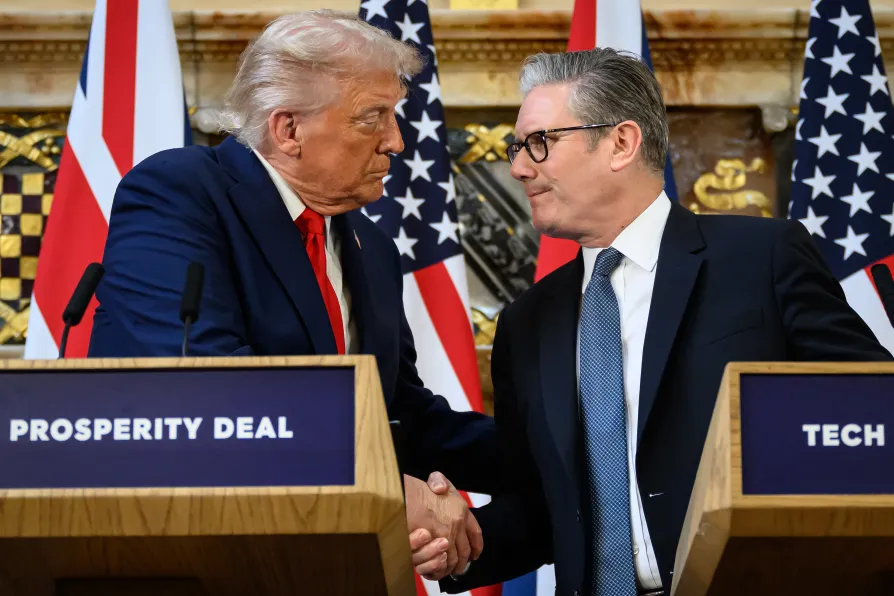
The media present Starmer as staying out of Trump’s war — but we’re already deeply involved in a conflict that sees the US and Israel kill civilians on a huge scale, argues IAN SINCLAIR