

 Latest editorial

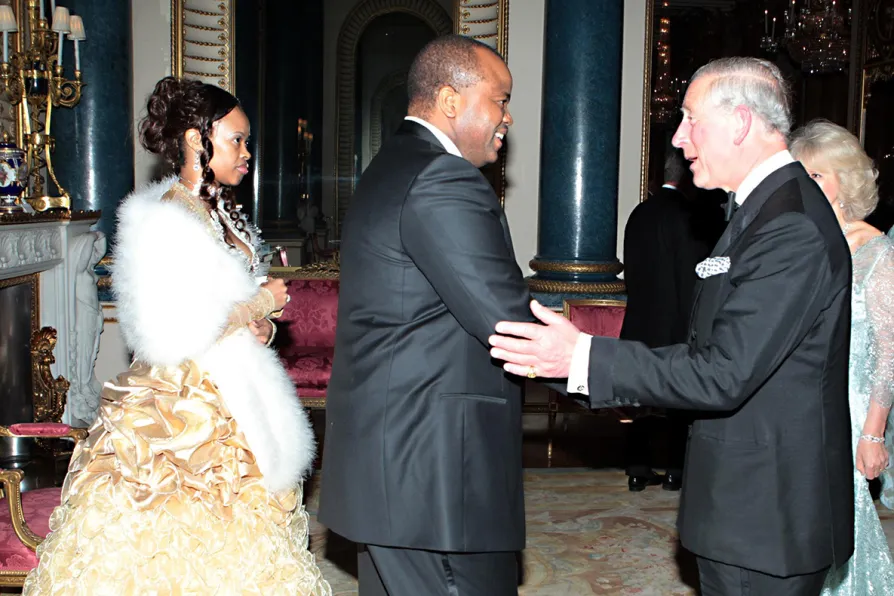 Charles and Camilla Windsor greet King Mswati III and wife Inkhosikati LaMbikiza of Swaziland as they arrive for a dinner at Buckingham Palace, London in 2012






THE Communist Party of Swaziland has called for a “revolutionary people’s war” to overthrow the autocratic regime of King Mswati III.
The rallying cry was issued by the party after it accused the royal dictator of opposing meaningful dialogue and “threatening to continue his brutality against all those calling for democracy in Swaziland.”
On Saturday, the embattled king ordered the armed forces to crush all forms of dissent in the African nation, now known officially as Eswatini.

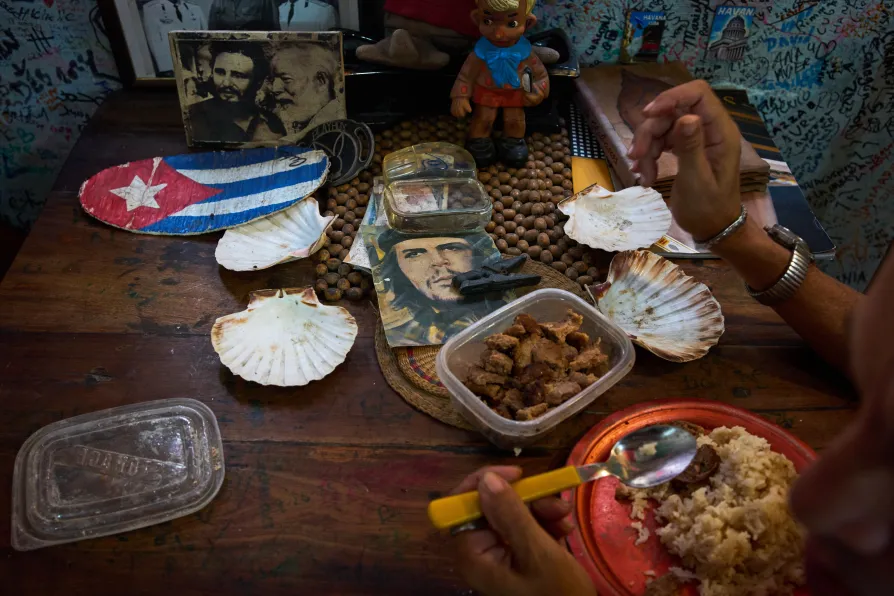
Cuba continues to embody a vision of internationalism that imperialism has never forgiven, argues ZOLTAN ZIGEDY

Young Communist League general secretary GEORGINA ANDREWS says the far right are filling a vacuum created by Labour’s abandonment of working-class interests — we have to give our class a better offer
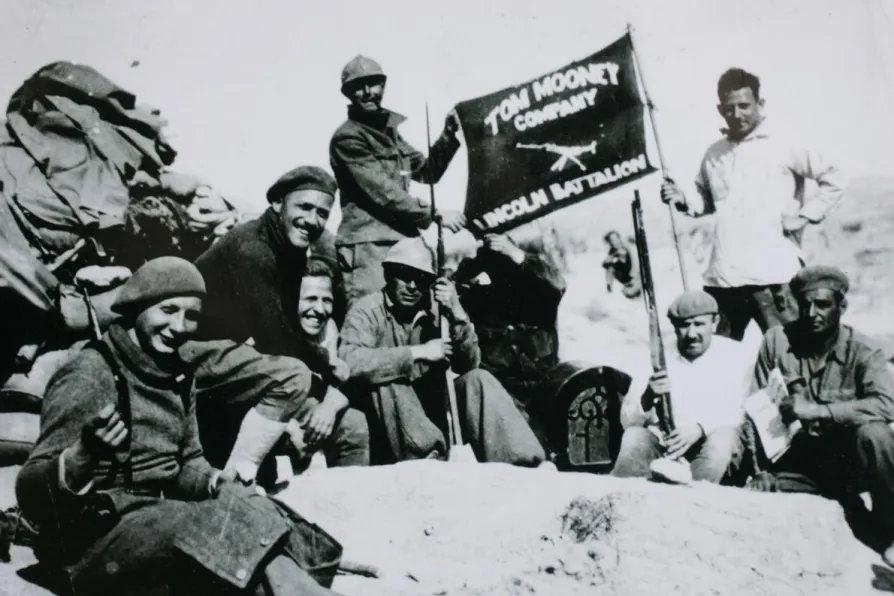
CJ ATKINS commemorates one of the most dramatic moments in working-class history

MOHAMMAD OMIDVAR, a senior figure in the Tudeh Party of Iran, tells the Morning Star that mass protests are rooted in poverty, corruption and neoliberal rule and warns against monarchist revival and US-engineered regime change