

 Latest editorial
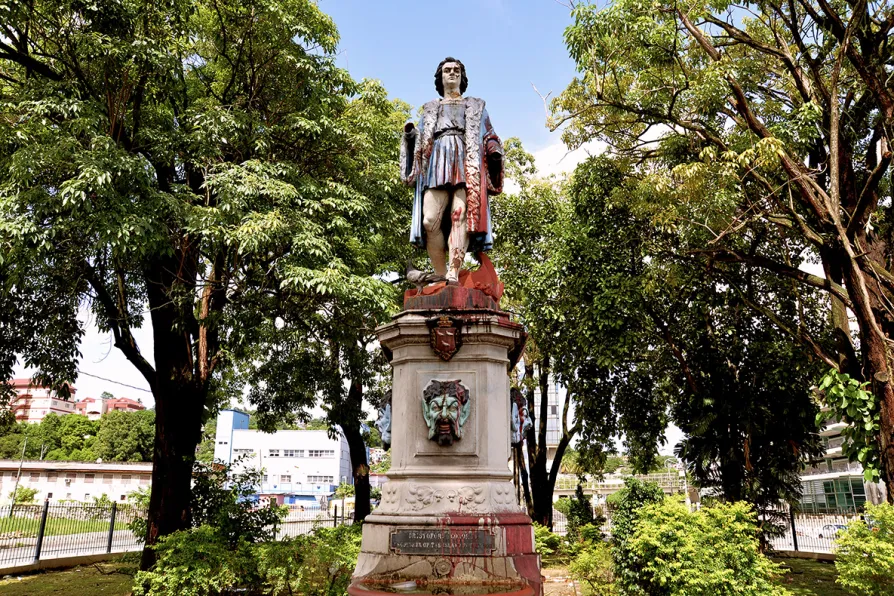 A vandalised statue of Christopher Columbus towers over Columbus Square in Port of Spain, Trinidad and Tobago, August 28, 2024
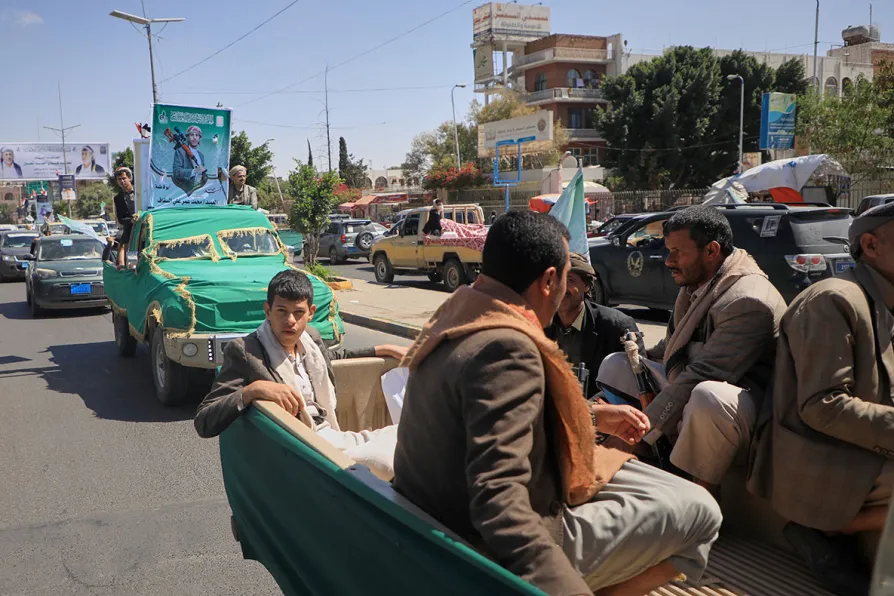





A GROUP of Caribbean leaders have met senior Church of England clergy in London amid a growing push for slavery reparations, with activists also calling for the independence of the region’s remaining colonial territories.
The reparations commission from the Caricom trade bloc is on a four-day official visit to seek reparations, the second such trip since November.
The group said on Tuesday that the commission was creating a framework for negotiations because the time for making the case for reparatory justice is overdue.
“We in the Caribbean remain the most colonised part of the world and this has to stop,” said Caricom reparations commission chairman Sir Hilary Beckles, who is also vice-chancellor of the University of the West Indies.
The commission noted that the Caribbean includes at least 20 territories with ties to Britain, France, the Netherlands and the United States.
“I am quite sure the people of the Caribbean will be looking to see whether their king … is going to advance this conversation about sovereignty, decolonisation and reparatory justice for these crimes that have been committed,” Sir Hilary said.
David Comissiong, Barbados’s ambassador to Caricom, said the commission had a “productive meeting” with three senior clerics from the Church of England, calling it a “possible ally.”
However, Mr Comissiong and others criticised Britain for abstaining when a United Nation resolution was passed in March calling for reparations and declaring the trafficking of enslaved Africans “the gravest crime against humanity.”
All 27 EU members also abstained, while Argentina, Israel and the US voted against the resolution.
An estimated 12 million Africans were forcefully taken by European slave traders from the 16th to the 19th century and those who survived the voyage across the Atlantic Ocean were forced to work on plantations in the Caribbean and elsewhere in brutal conditions.

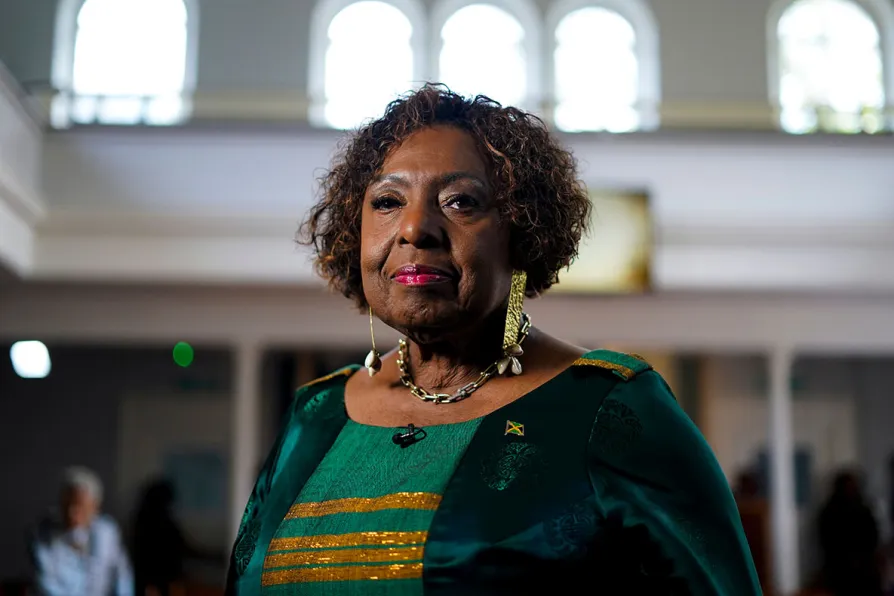
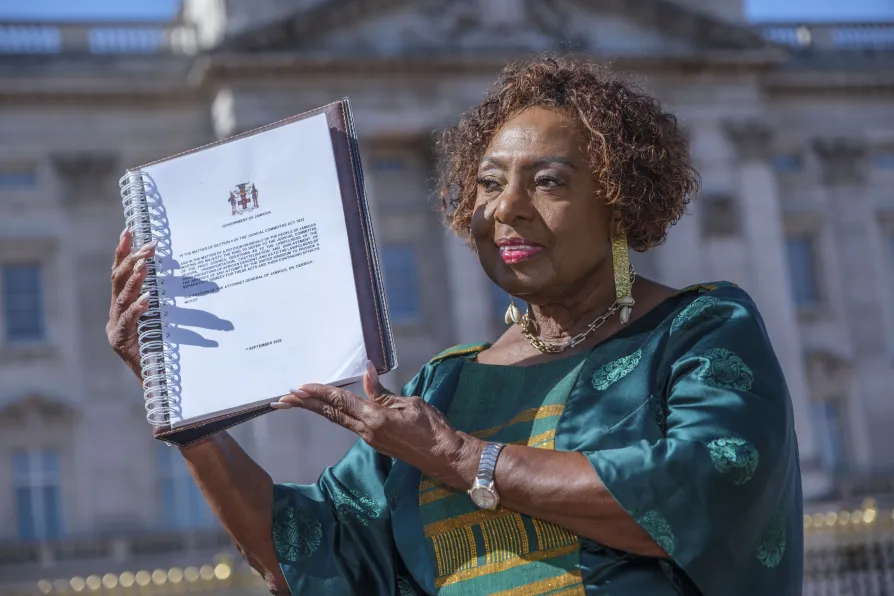
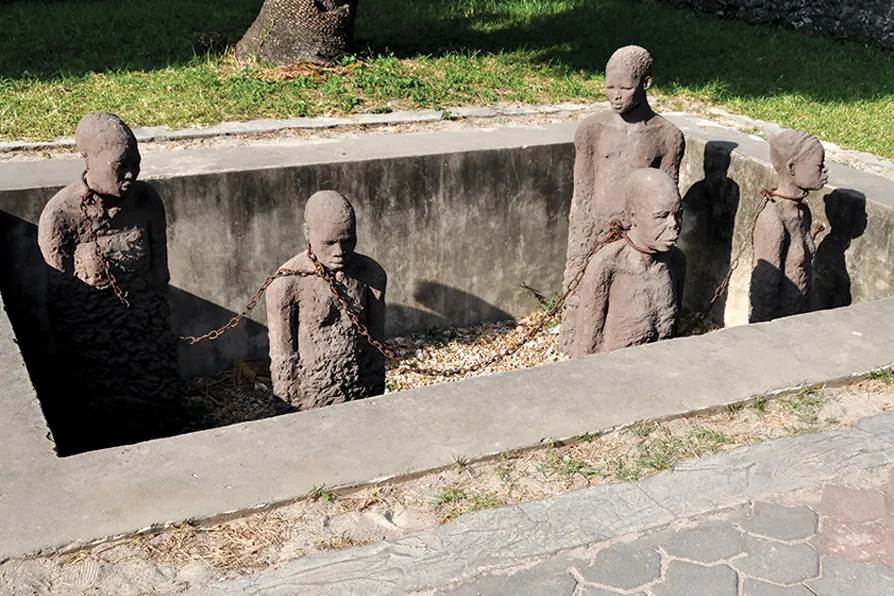
Trade unions should be at the heart of the anti-racist push for reparations for the historic legacy and continuing impact of slavery, writes ROGER McKENZIE
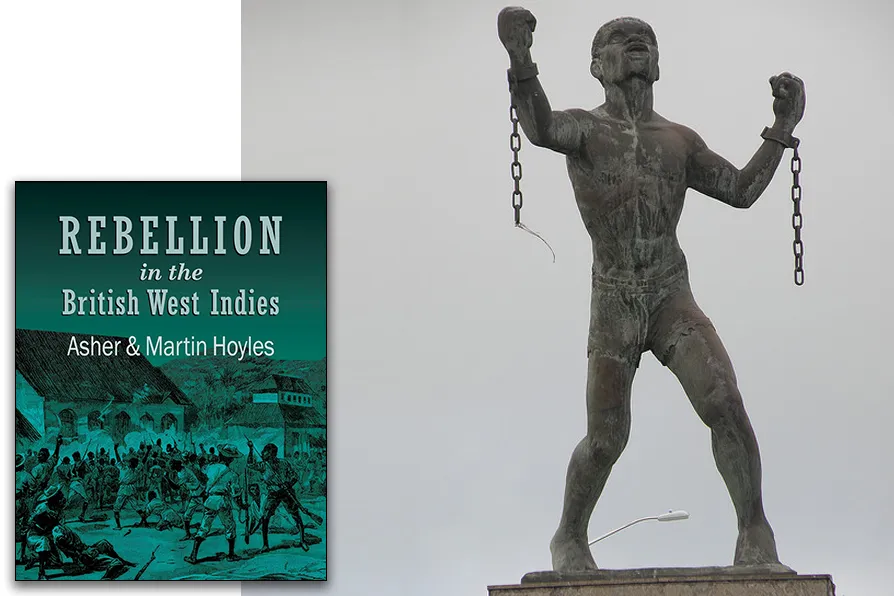
BOB NEWLAND appreciates an important contribution to the debate about how slavery helped to build the wealth of Western companies and states