KEN COCKBURN traces the one original language – that of the Yamnaya pastoral nomads – from which all European and Indian languages derive


 Latest editorial
Women For Peace: Banners from Greenham Common
Images of life-affirming creativity from iconic women's peace camp
PAUL DONOVAN is fascinated by the debunking of the iconic British war hero
ALEX HALL recommends a searing panorama of our global predicament
Comics are not just superheroes and spandex – it can be public art, telling public stories, suggests HARRIET EARLE
ALEXEI SAYLE speaks to Angus Reid about a lifetime of protest, how to hone political art – and what to do now
The bard serenades the Diggers of Wigan and their festive followers





FORTY years ago this month, a group of women walked from Cardiff to RAF Greenham Common to protest at the stationing of US nuclear cruise missiles there. They were pointed at the Soviet Union.
The women, who didn’t intend to stay, did so and established a peace camp, with their invigorating presence drawing attention to the potential death soon to be lurking in the silos. Thus began one of the most famous symbolic actions of the 20th century.
Why would women not be for peace? We need it for development, nurture, friendship and love — a condition for a fulfilled life on the planet. But there were some like Margaret Thatcher who were not, who allowed the weapons in as a very hot element in the Cold War.

Similar stories
A six minute animation that conveys the horror of atomic war A Short Vision, made in 1956, is more effective than any drama, writes LINDA PENTZ GUNTER
SOPHIE BOLT argues that spending more on military will harm rather than benefit Britain by diverting vital resources away from essential public services
JAN WOOLF invigilates images that meditate on Palestine, and the people who witness them
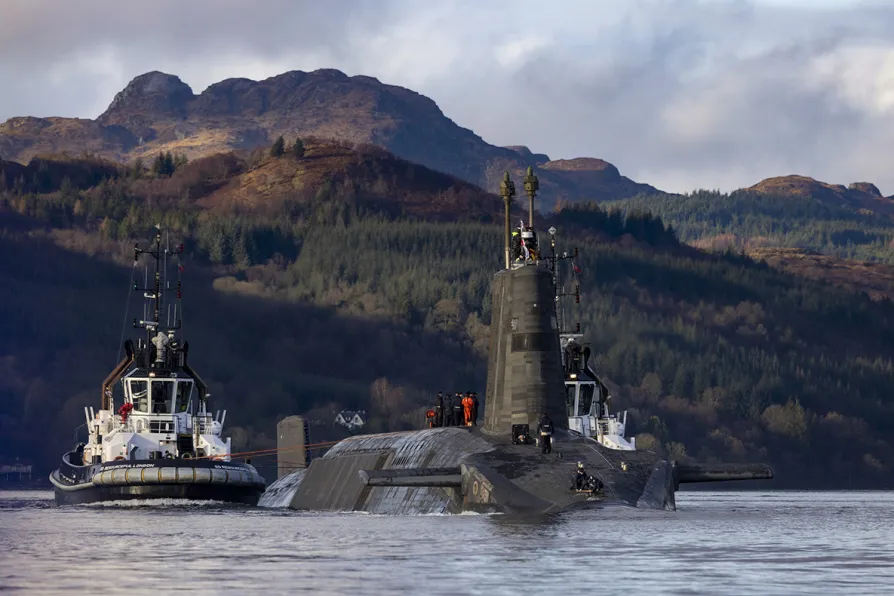
Campaigns against nuclear weapons on the Clyde, financial backing for arms firms and rising militarism are converging with solidarity for Palestine, as Scotland’s peace movement builds momentum ahead of the 2026 Holyrood election, says ARTHUR WEST