PAUL DONOVAN applauds an intriguing multi-layered depiction, dominated by a stunning impersonation of Marilyn herself


 Latest editorial

Finding True North: The Healing Power of Place
Insightful study of solitude, mental health and geography
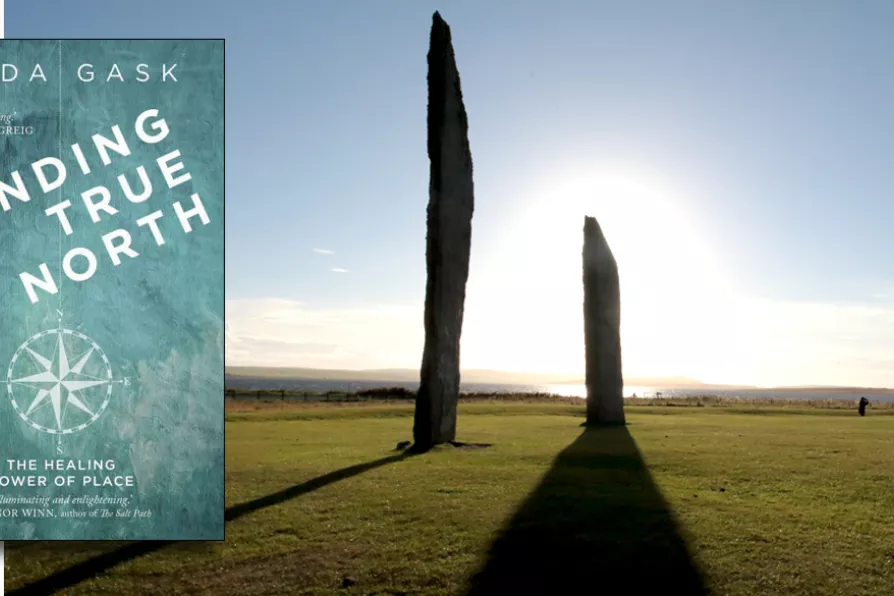 FIGURES IN A LANDSCAPE: The Standing Stones of Stenness, Orkney
[Max Reeves/Creative Commons]
FIGURES IN A LANDSCAPE: The Standing Stones of Stenness, Orkney
[Max Reeves/Creative Commons]

LEO BOIX applauds an audacious, self-questioning film about grief, friendship and film-making
MARY CONWAY admires a brave and topical study of Armageddon that is, unfortunately, unable to come to a conclusion
ANDY HEDGECOCK, JAMES WALSH and JAMIE BRITTON review Hanging by a Wire, I Want Your Sex, The Pout-Pout Fish, and Rise of the Foot Soldier: Retribution
Chris Searle speaks to US pianist RAN BLAKE
The Bard hands out medals for his Edinburgh campaign and urges us to support The Men They Couldn’t Hang





THIS timely memoir by psychiatrist, author and mental-health campaigner Linda Gask draws on her own experiences as a patient and consultant psychiatrist, and serves to remind us of our inner reserves, how to strengthen them and find help in whatever form that may be.
Gask has recurrent clinical depression and, for her, the capitalist view of “recovery” bears no relation to her experiences, professionally or personally. Her own recovery has been a lifelong matter, complicated by early-life events. Mood can dominate her day, draining it of colour and vibrancy.
She thinks psychiatrists should be asking: “How do you get through the day?” as this gives a much clearer picture of the difficulties patients face.

Similar stories
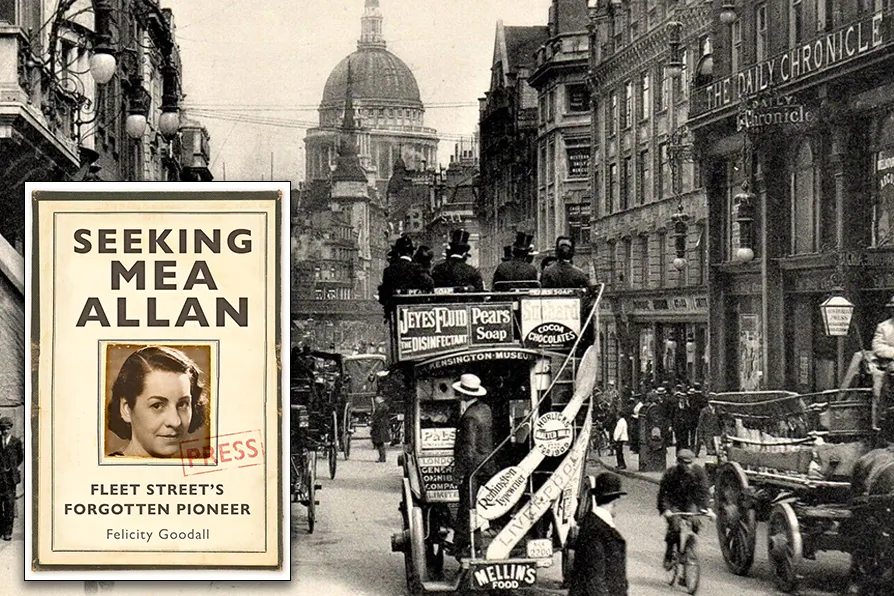
GAVIN O’TOOLE is enthralled by the colourful portrait of a woman who pioneered a path into the tough, magical world of journalism
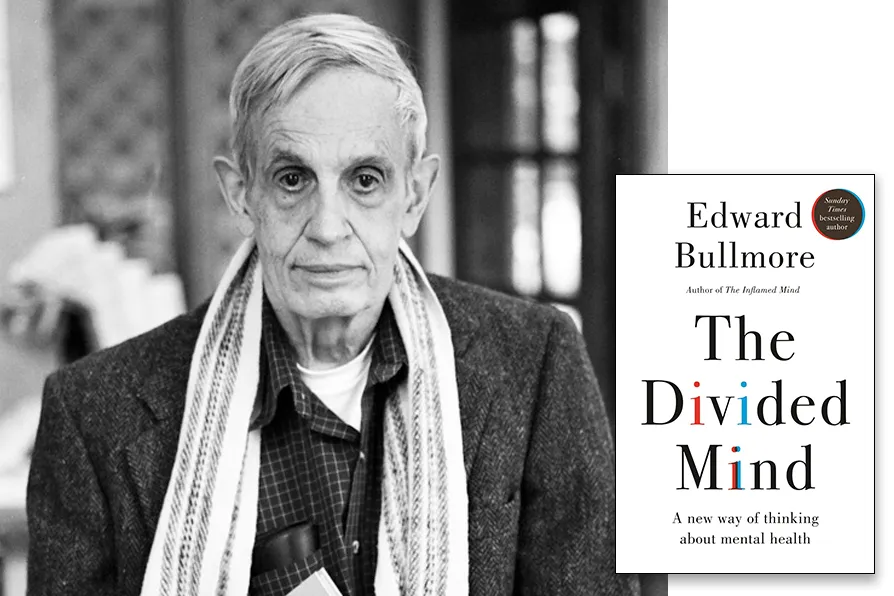
RICHARD SHILLCOCK examines an enjoyable, but philosophically conventional book, and urges Marxists to employ their capacity to embrace the totality in any explanation
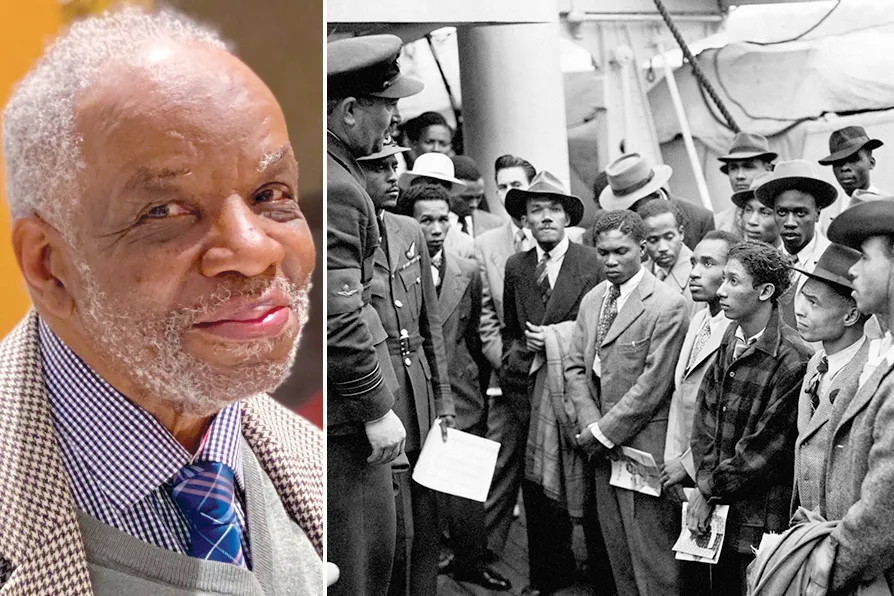
1943-2025: How one man’s unfinished work reveals the lethal lie of ‘colour-blind’ medicine
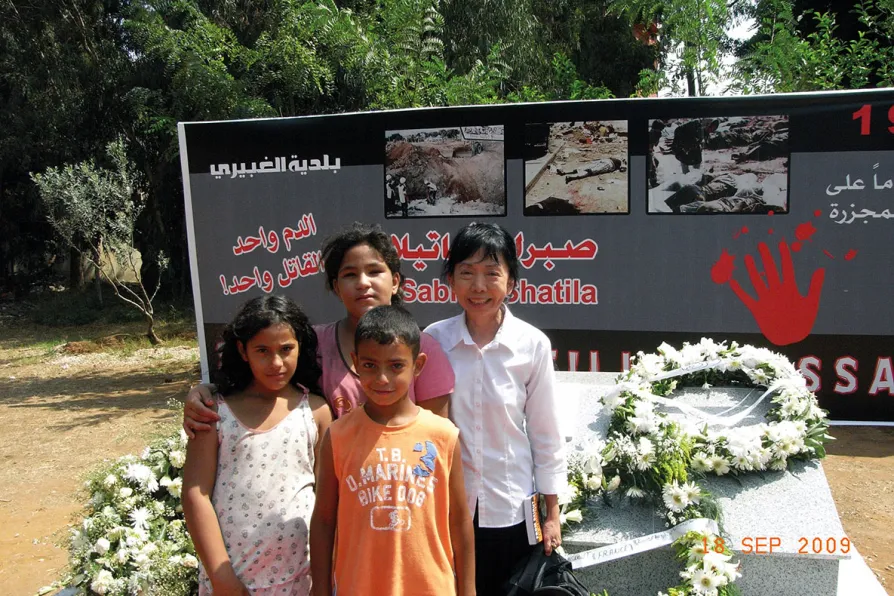
SWEE ANG, the founder of Medical Aid for Palestinians, is a big believer in the power of small actions, and she is the living proof it works, writes Linda Pentz Gunter