

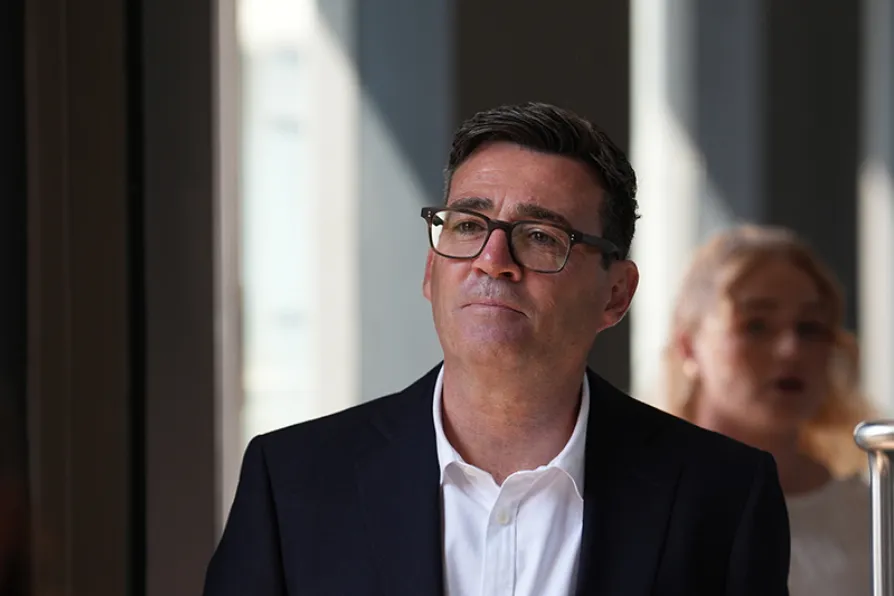
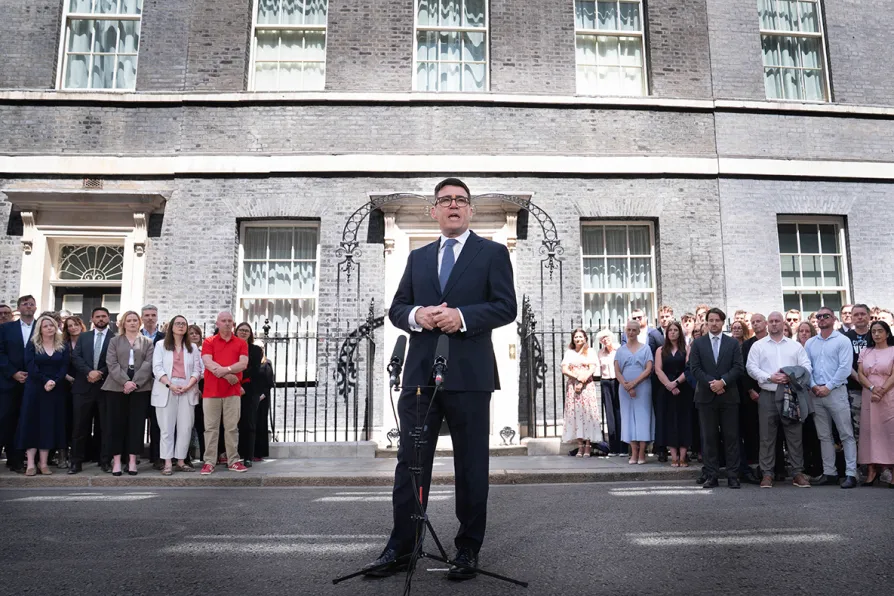
 Andy Burnham after being confirmed as leader of the Labour Party today





ANDY BURNHAM assumed the leadership of Labour today with a pledge to turn the page on 40 years of neoliberalism.
Mr Burnham, who will become Britain’s eighth Labour prime minister on Monday, pledged a restoration of hope and a radical reversal of the status quo in his first speech as leader.
He secured the support of 379 Labour MPs and all the party’s affiliated trade unions.
However, conflicting signals as to his intentions abounded as his first appointments to his Downing Street staff indicated continuity with his predecessor Keir Starmer and, more distantly, New Labour.
While he will not name his cabinet until next week, the very strong indications that current Home Secretary Shabana Mahmood will be named as Chancellor in preference to Ed Miliband are increasing anxieties on the left.
Mr Burnham set out a strong commitment to traditional social democratic governance yesterday, declaring, in a speech far better than any ever made by Sir Keir, that he offered “a new path from the one we have been on for 40 years” – an explicit repudiation of Thatcherism.
He said that voters in Makerfield, who elected him to the Commons in last month’s by-election, “wanted a return of the Labour Party they once knew.
“We will be that version of Labour again,” he pledged, saying that Labour had failed to challenge the prevailing economic model.
Countering a common criticism, the new leader said “I have a plan” for government and said he would “always stay close to the ground, close to the people.”
In his speech, delivered at TUC headquarters in London, Mr Burnham said: “I am clear Britain took a series of wrong turns in the 1980s. Political power was centralised and economic power was privatised.
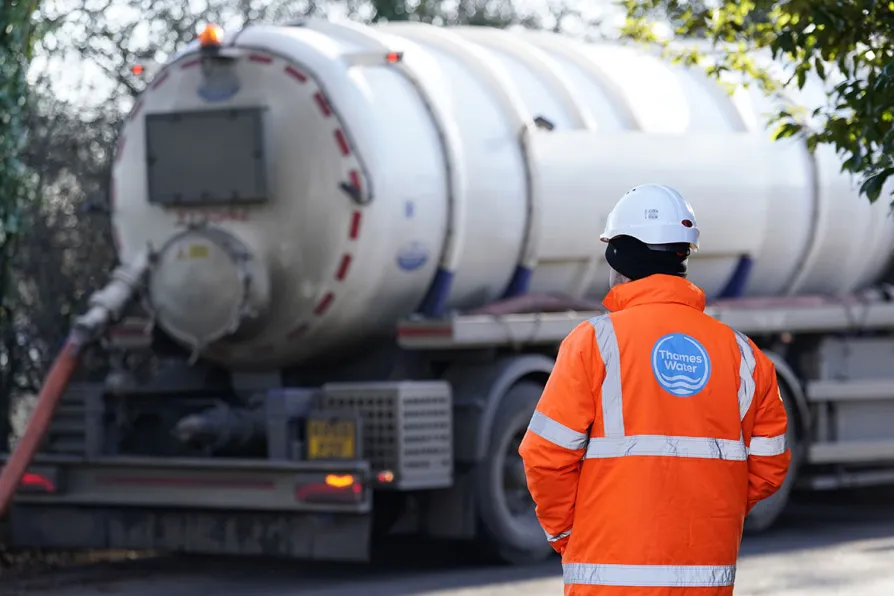
“The country surrendered control of the essentials – housing, water, energy, transport – and left people exposed to higher costs. That in turn led to the concentration of more wealth and power in the hands of fewer people and fewer places.
“If we don’t have sufficient public control over the cost of the essentials, how can we have control over inflation, public spending and the rest of the economy?
“The right use the phrase take back control, but they are the ones who gave it away in the first place. From here we do it differently.”
Mr Burnham also pledged an end to Labour factionalism and “insidious briefing,” and to build a new political culture which was “less toxic.”
He restated his signature commitment to the devolution of economic and political power to regions and communities and said he would “set a direction that is distinctively Labour,” saying that party had been “wearing too many Tory clothes in the past.”
On Cabinet selections, York Central MP Rachael Maskell said Mr Miliband would be a better choice as Chancellor since he “has Treasury experience and he’s been able to bring our party together around some very difficult issues” while one Burnham ally was quoted as saying of Ms Mahmood: “Shabana has no sense of the economics.
“Ed would have been a much more experienced chancellor because his original background was in finance. He was central to Gordon Brown’s team.
“It doesn’t bode well for the fundamental rethink of how we actually do government.”
Mr Burnham has also announced that he is to keep Sir Keir’s Number 10 business adviser, Varyn Chadra, in place, working alongside former Blairite minister James Purnell as chief of staff.
Green Party leader Zack Polanski warned that “people who want to see progressive politics are looking at Andy Burnham and going, this looks a lot like Keir Starmer with a different face.
“We’re still going to see a party where inequality gets wider, where we’ve seen them apologise for Labour’s history in Gaza, but he’s still not signalled that he’s going to stop selling arms to Israel.”
And left MP Jon Trickett warned that it would not be enough to play musical chairs with the current Cabinet.
“If Burnham’s politics of place, solidarity and active government can succeed, Britain may yet rebuild a more balanced and more democratic economy. If it can’t, the vacuum is unlikely to remain empty for long,” he wrote in The Tribune.
But Mr Burnham’s close ally, Liverpool city region mayor Steve Rotheram, said that “if people believe that Andy Burnham is being made the prime minister so that he can communicate the same message just in a better way, then they’re absolutely deluded.
“Andy wants to go in there and he wants to shake things up,” he said.
TUC general secretary Paul Nowak said “every decision and every announcement Andy Burnham makes needs to show working people he’s on their side.
“That should start with action to bring down energy bills, taxing banks’ enormous profits to pay for it, and delivering Labour’s workers’ rights agenda in full,” he said.

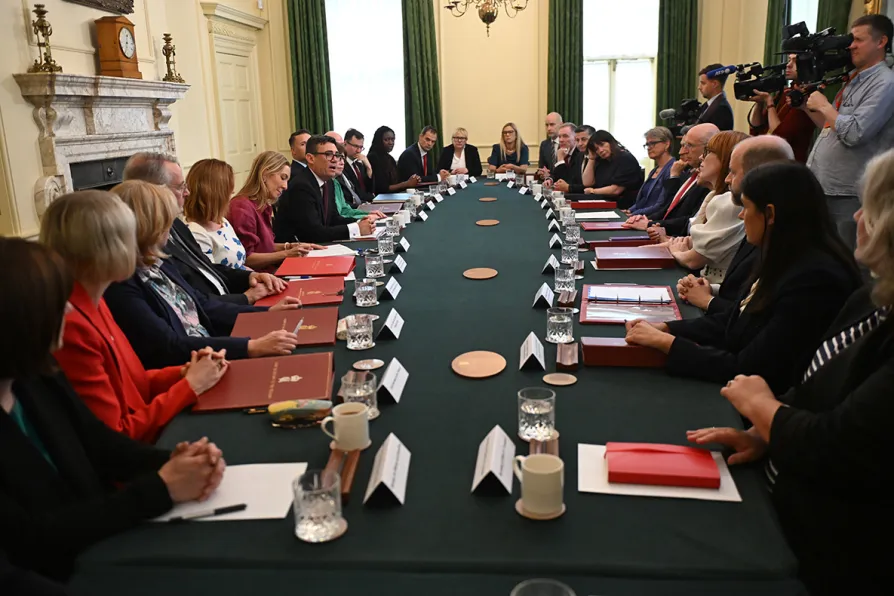
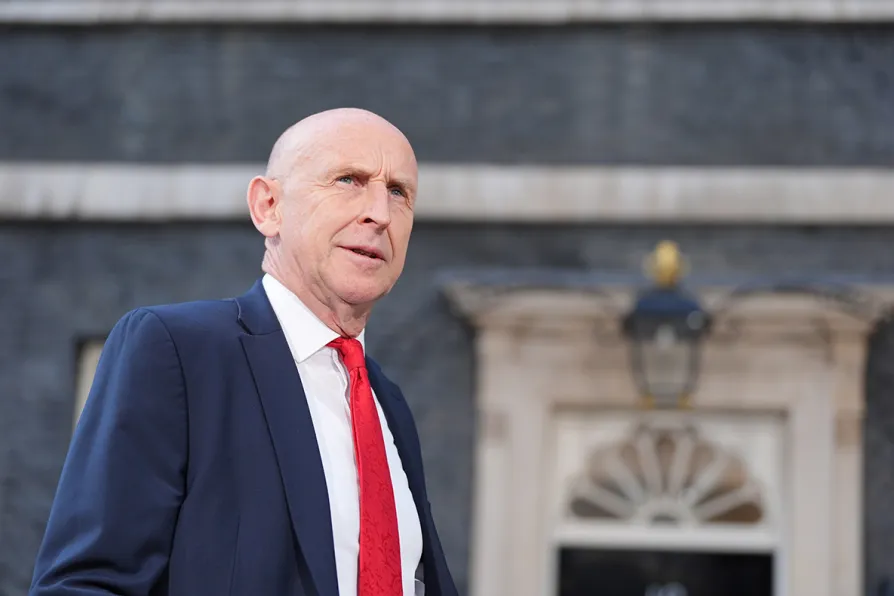
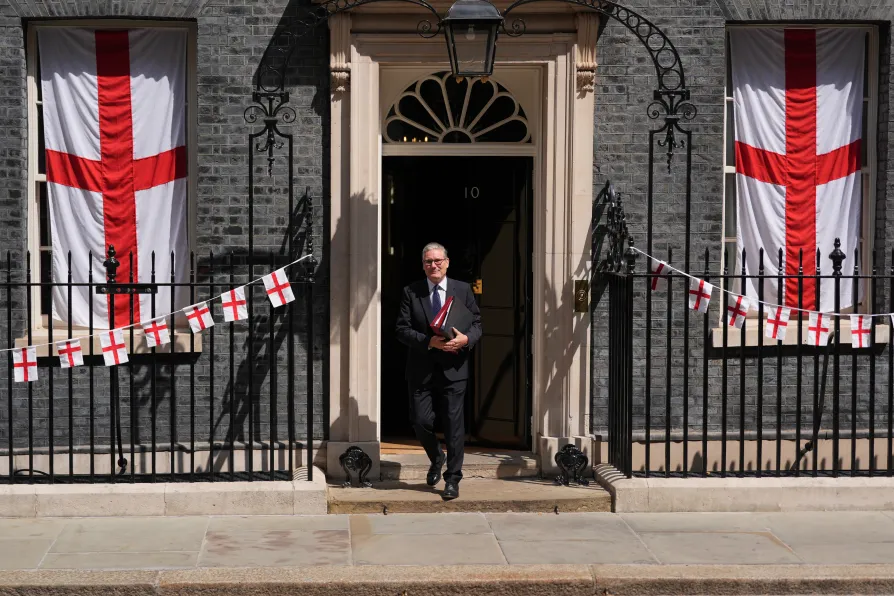
Meanwhile, incoming PM Andy Burnham dithers over who should be his Chancellor