The National Education Union general secretary speaks to Ben Chacko on growing calls to protect children from a toxic online culture


 Latest editorial

Voting on the future of life on earth
Even the capitalist establishment admits that we are now walking into an ecological apocalypse — in Britain there is only one way out and it hangs on the forthcoming election, explains NICOLAS LALAGUNA
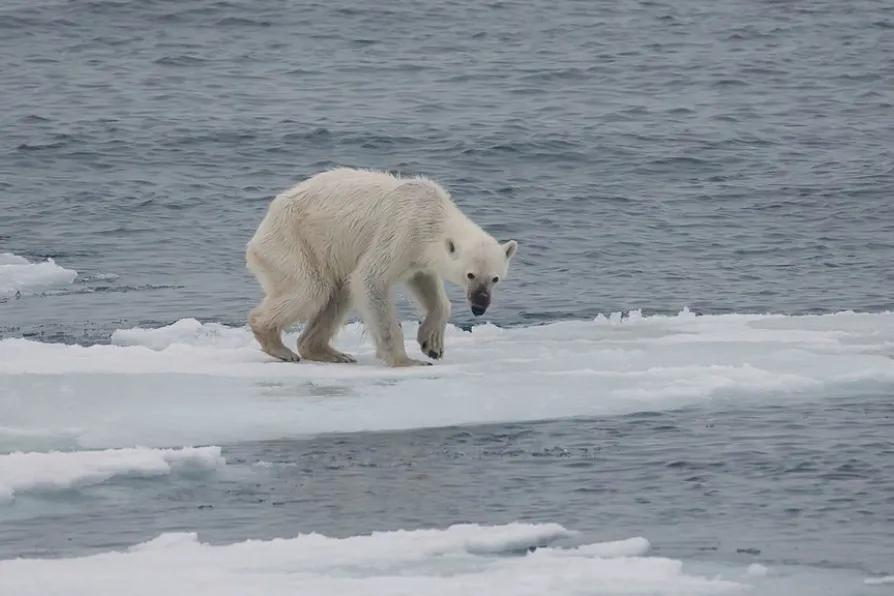 A starving polar bear

While Iranians take to the streets en masse to protest sky-high inflation, Trump and Netanyahu are threatening military intervention. The Iranian population is trapped between a repressive regime, a suffocating economic war from the outside, and a history of dark alliances, argues MARC VANDEPITTE
Unison Scotland’s BRENDA AITCHISON says her union won’t tolerate further cuts to public services
The Danish Communist Party’s Lotte Rortoft-Madsen assesses the fallout from US threats to annex the huge Arctic island
Trump threatens war and punitive tariffs to recapture Iranian resources – just as in 1953, when the CIA overthrew Mossadegh and US corporations immediately seized 40% of the oil, says SEVIM DAGDELEN
Once derided by Farage as a ‘fraud,’ Jenrick has defected to Reform, bringing experience and political ruthlessness to the populist right — and raising the unsettling prospect of a Farage-led movement with a seasoned operative pulling the strings, says ANDREW MURRAY





ONE of the key research facilities leading the discussion on the climate crisis is the National Centre for Climate Restoration in Melbourne, Australia, whose work is arguably a major plank underpinning the Extinction Rebellion mindset. Over the last few years, the team there has been analysing a lot of the leading climate research and issuing reports based on their meta-analyses of these studies.
Among the various criticisms of the Fifth Assessment Report from the Intergovernmental Panel on Climate Change (IPCC) were allegations that it had “systematically and grossly underestimated the risks.” One of the foundations for this criticism was that the IPCC had framed the likelihood of an outcome occurring as “unlikely” if it fell outside the central 67 per cent probability distribution.
One of the difficulties facing the IPCC is that from the outset it has been required to reach a consensus before reporting, which, as anyone who has tried to build a consensus across multiple parties knows, invariably leads to conservative agreements. This isn’t helped by the neoliberal politicians who have been largely working on behalf of the carbon profiteers. At the 2015 Paris conference on climate change, in response to the cautious tone of the IPCC, the world’s political leadership agreed that they would try very hard to hold the average global temperature increase to below 1.5°C or at the most 2°C.

Similar stories
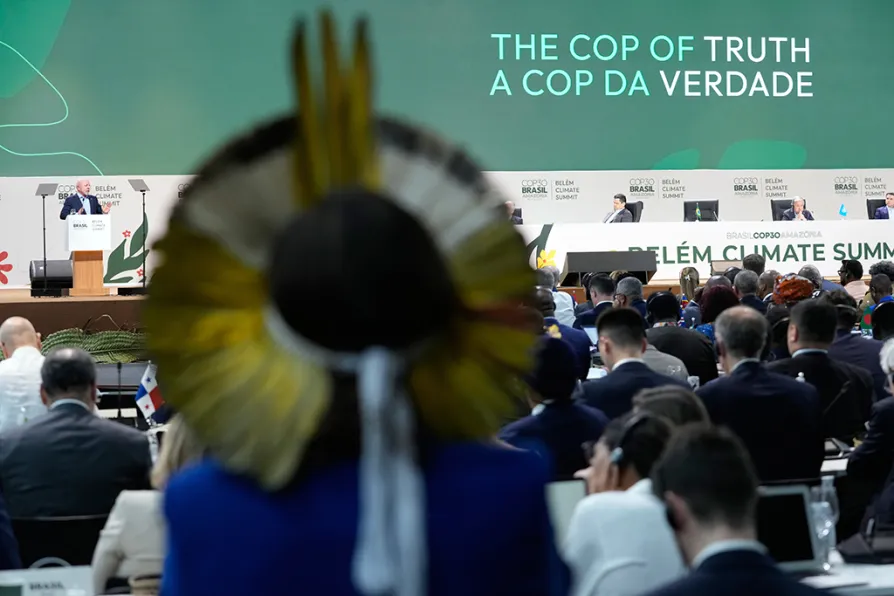
From summit to summit, imperialist companies and governments cut, delay or water down their commitments, warn the Communist Parties of Britain, France, Portugal and Spain and the Workers Party of Belgium in a joint statement on Cop30
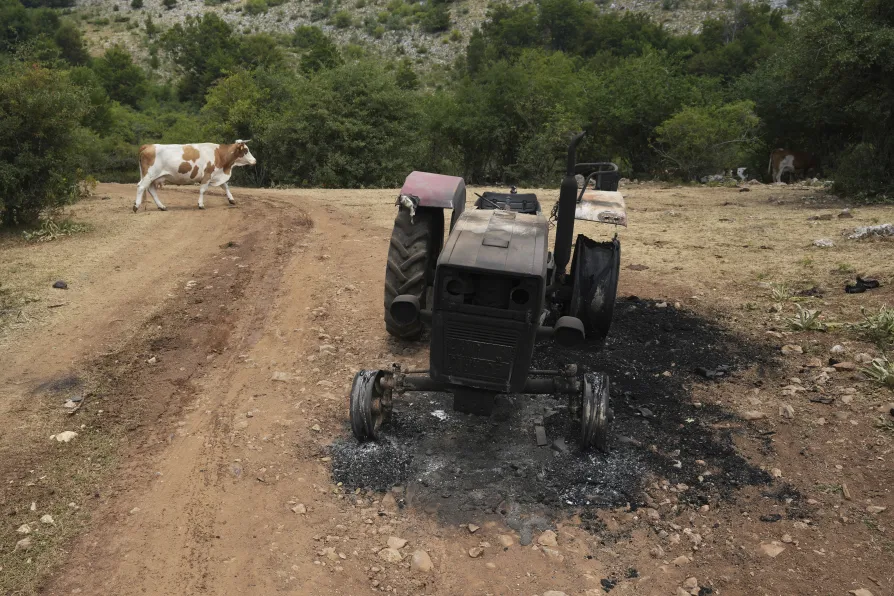

New stats show huge chunk of foreign aid is spent housing asylum-seekers within Britain
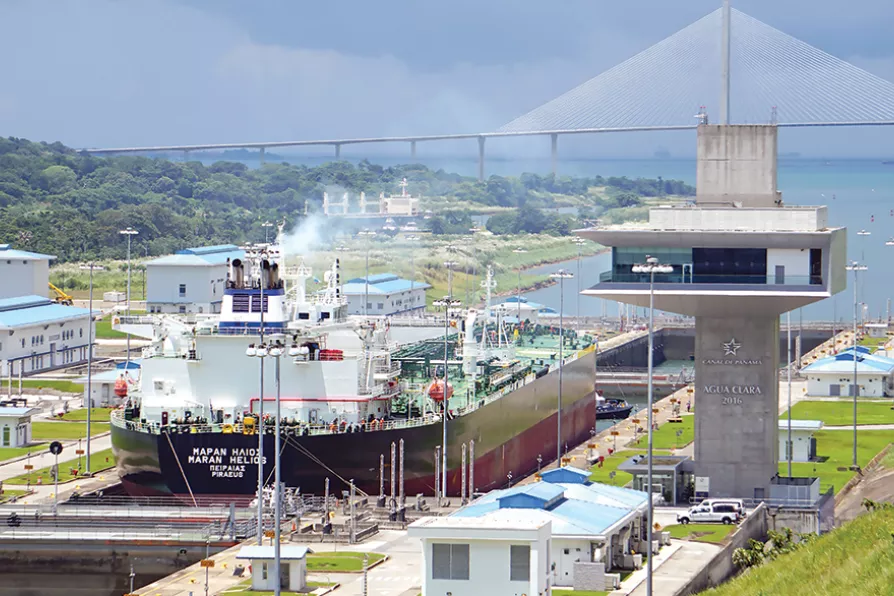
Man-made canals like Panama and Suez face unprecedented challenges from extreme weather patterns and geopolitical tensions that reveal the fragility of our global trade networks, write ROX MIDDLETON, LIAM SHAW and MIRIAM GAUNTLETT