Latest editorial

Disaster prompts president to lift moratorium on death penalty, a move human rights groups say is ‘a retreat into barbarism’
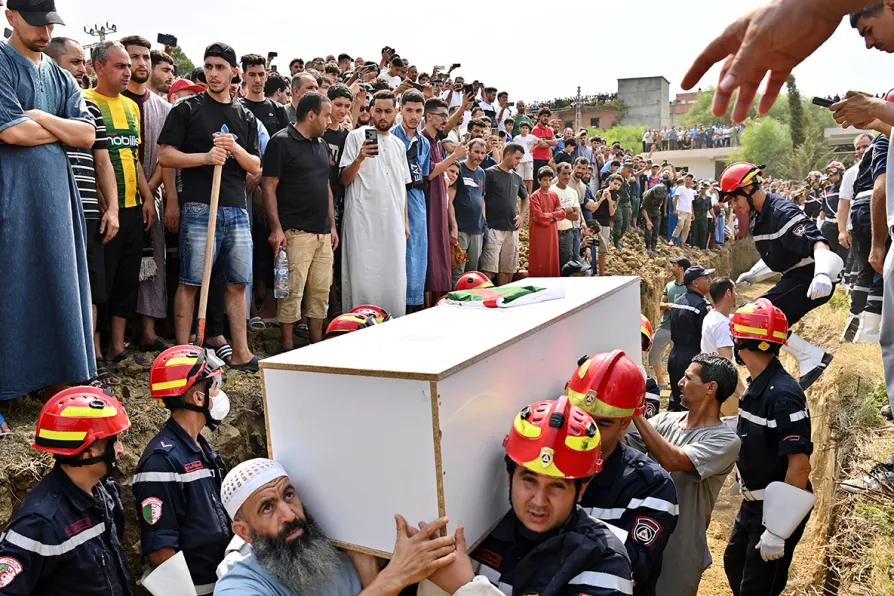 People take part in a burial ceremony for victims of wildfires, in the Djemaa Beni Habibi town in Jijel, Algeria, August 28, 2026





ALGERIAN firefighters are still struggling against an unprecedented wave of deadly wildfires that has prompted President Abdelmadjid Tebboune to call for the death penalty to be reinstated for arsonists.
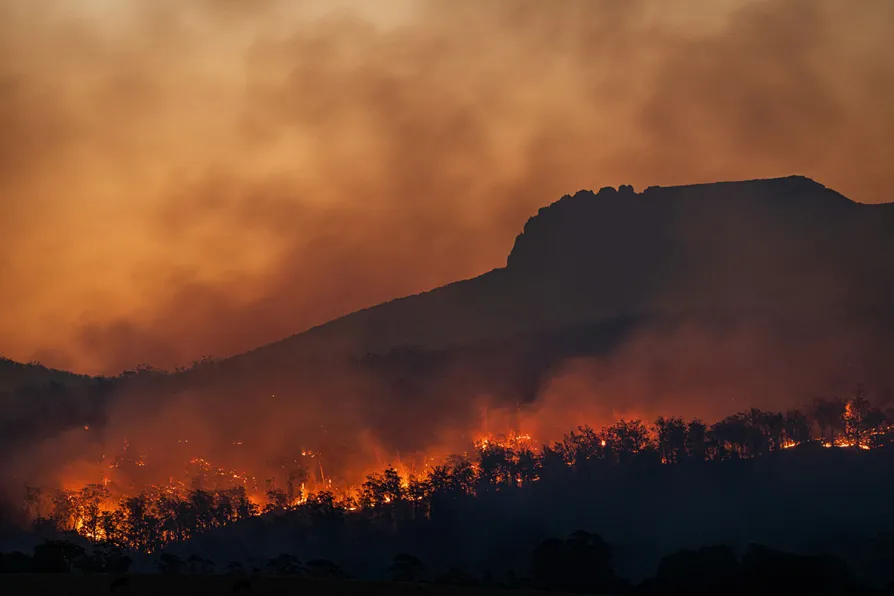
The fires have spread across several provinces, creating a vast front of flames stretching from the centre to the far east of the country.
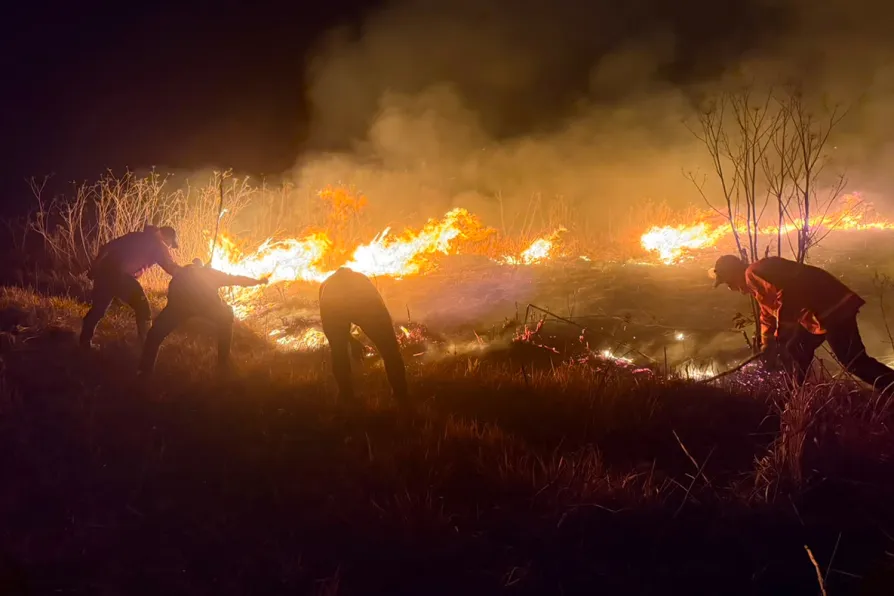
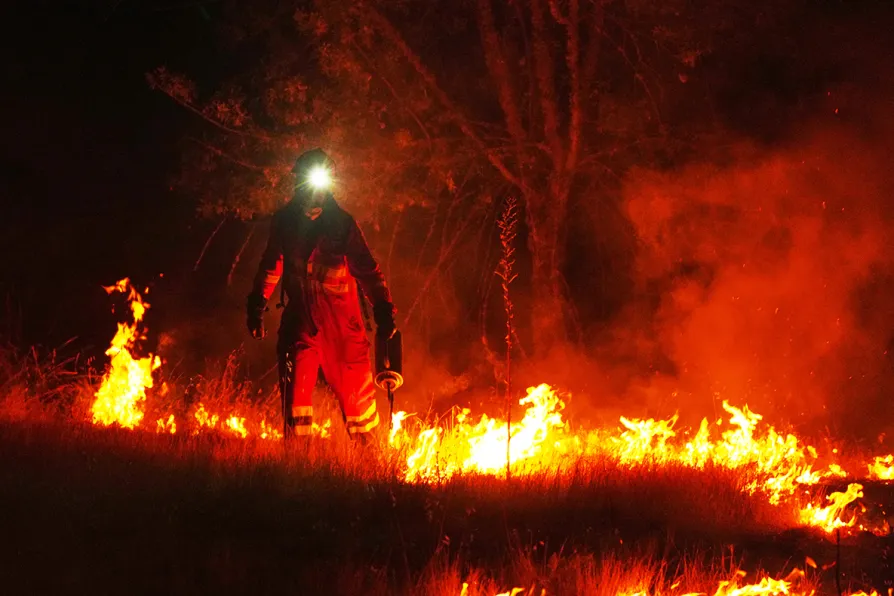
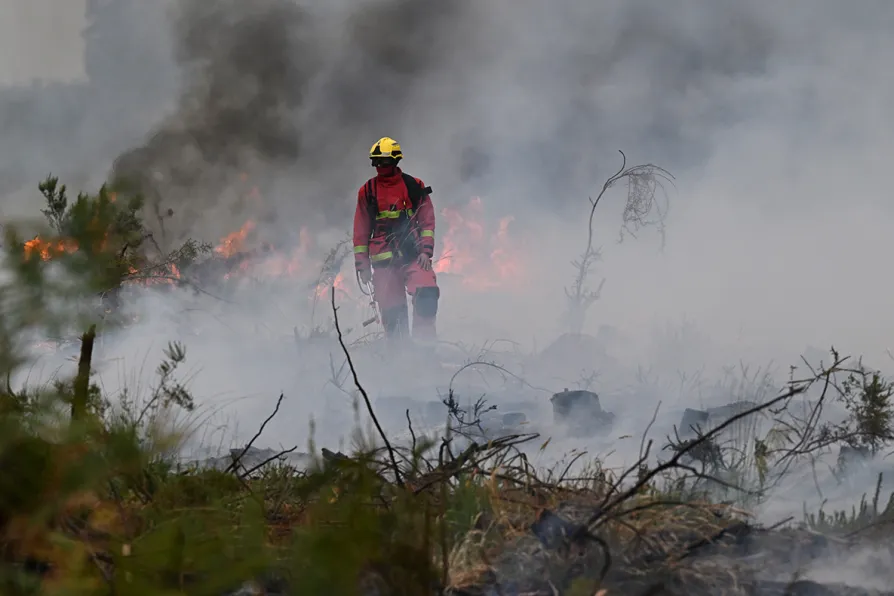
Civil Protection units, supported by soldiers, were still battling flare-ups this week in the provinces of Setif and Guelma, where large swathes of forests have been burned.
The greatest damage was in the province of Jijel, 125 miles east of Algiers, an area renowned for its fine sandy beaches, turquoise waters and hills of olive trees and fruit trees and cedars.
Nothing now remains of the 460 square miles of forests except smouldering ashes and charred tree stumps.
The official number of deaths in Jijel stands at 12, the Interior Ministry said at the end of August, when the crisis began.
But the true situation appears to be far more tragic, with videos on social media showing dozens of coffins lined up beside mass graves, awaiting burial before the bodies decompose in the heat.
“I have worked in Civil Protection for 40 years. We have dealt with fires, but this is the first time we have faced such a human, environmental and material catastrophe. There are hundreds of dead,” Lieutenant Djabri Said told reporters.
Meanwhile President Tebboune vowed on Sunday that those responsible for the fires would be “sentenced to death,” as he announced that the moratorium on the death penalty, in force since 1993, would be lifted.
The parties supporting Mr Tebboune’s presidency have backed his stance.
But opposition parties and human rights organisations have strongly opposed the return of the death penalty, calling it “a retreat by Algeria into barbarism” and an attempt by those in power to evade responsibility for their failings.