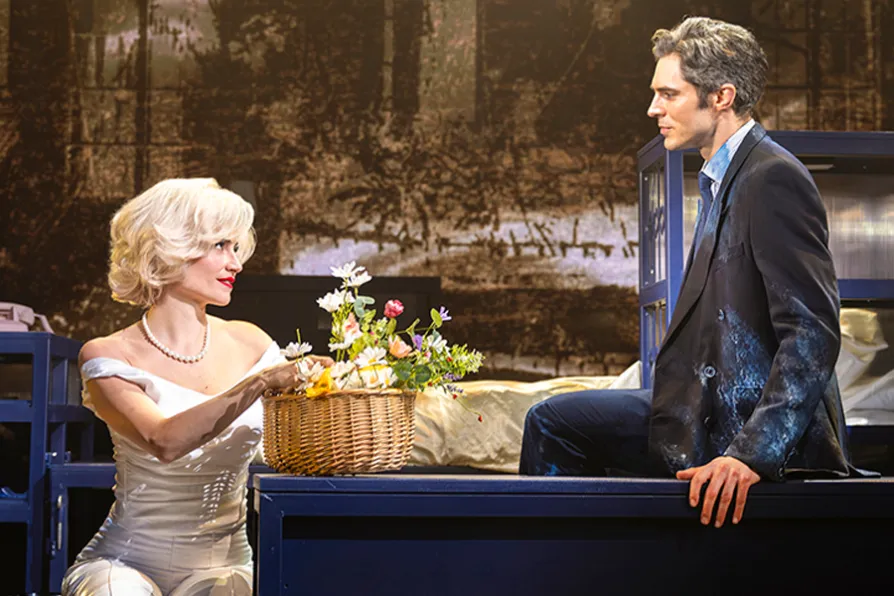
PAUL DONOVAN applauds an intriguing multi-layered depiction, dominated by a stunning impersonation of Marilyn herself


 Latest editorial

Art at the heart of the revolution
Dr Rebecca Gordon-Nesbitt explores how, from the early days of monumental change in Cuba, cultural participation for all has been a top priority
LEO BOIX applauds an audacious, self-questioning film about grief, friendship and film-making
MARY CONWAY admires a brave and topical study of Armageddon that is, unfortunately, unable to come to a conclusion
ANDY HEDGECOCK, JAMES WALSH and JAMIE BRITTON review Hanging by a Wire, I Want Your Sex, The Pout-Pout Fish, and Rise of the Foot Soldier: Retribution
Chris Searle speaks to US pianist RAN BLAKE
The Bard hands out medals for his Edinburgh campaign and urges us to support The Men They Couldn’t Hang





AT THE trial for his part in the failed 1953 attacks on the barracks at Moncada and Bayamo in Cuba, Fidel Castro took the opportunity of his defence speech to outline a political programme that became something of a manifesto for the 26 July movement.
What is perhaps less well known is that this programme included plans for the extension of education to the furthest corners of the island. By the time of the first formal manifesto issued by that movement in 1955, education was understood as a prelude to culture.
In the early days of 1959, army barracks were turned into schools and teaching budgets increased tenfold. Before long, attention started being paid to culture in the sense of the arts and literature, with a few early ideas coalescing that continue to determine cultural policy in Cuba to this day.

Similar stories
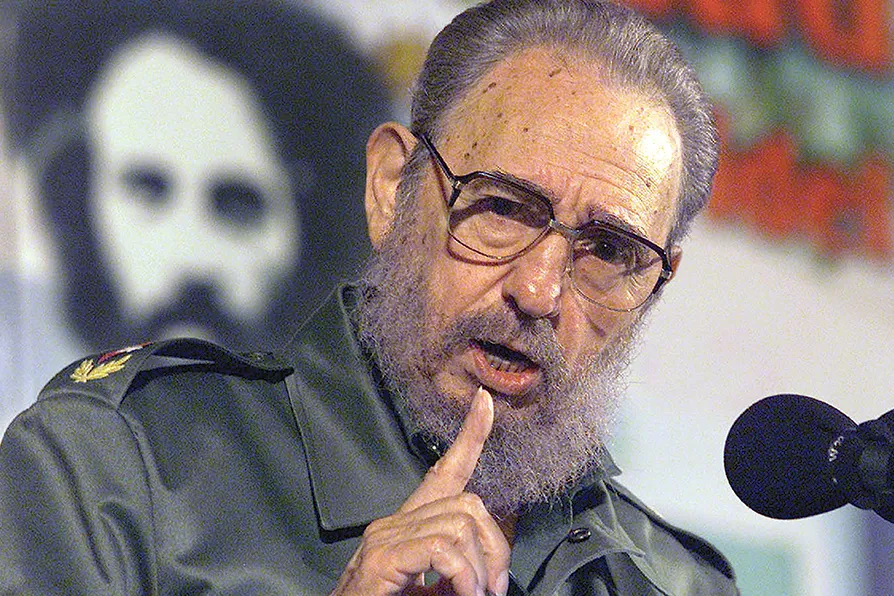
DR STEPHEN WILKINSON assesses the life and legacy of a revolutionary giant
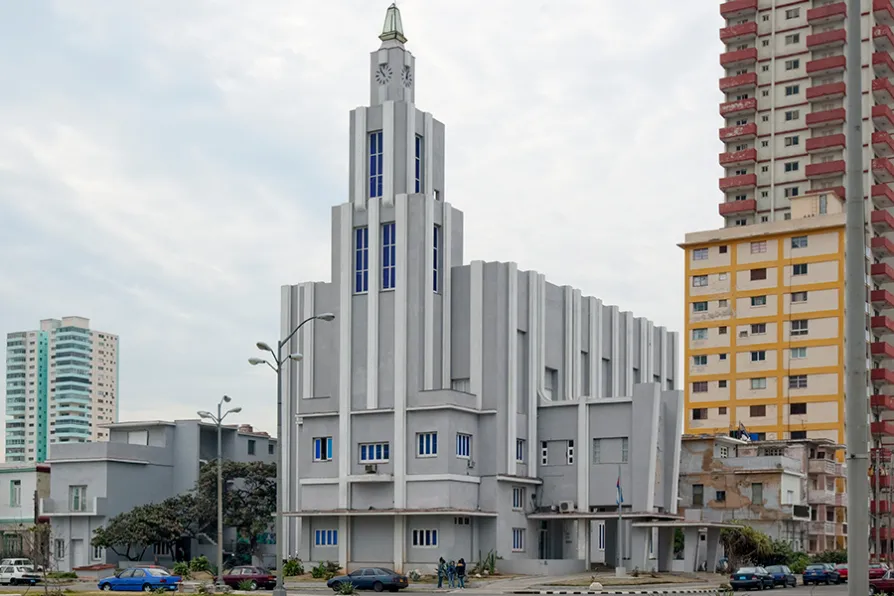
MIGUEL YOSHIDA explains the evolution and influence of the Cuban Casa De Las Americas in joining culture to the revolutionary struggle
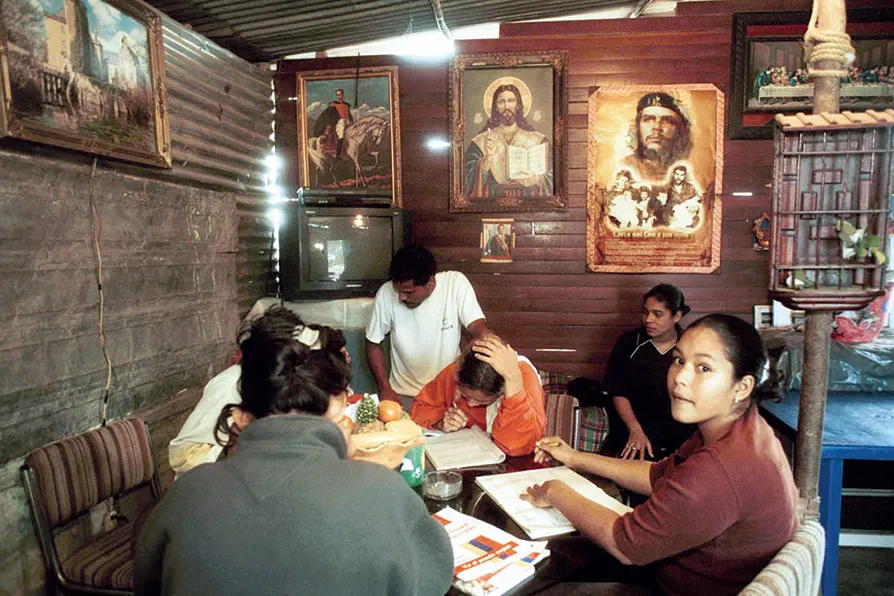
ISAAC SANEY points to the global stakes involved in defending the Cuban revolution against imperialism and calls for resistance
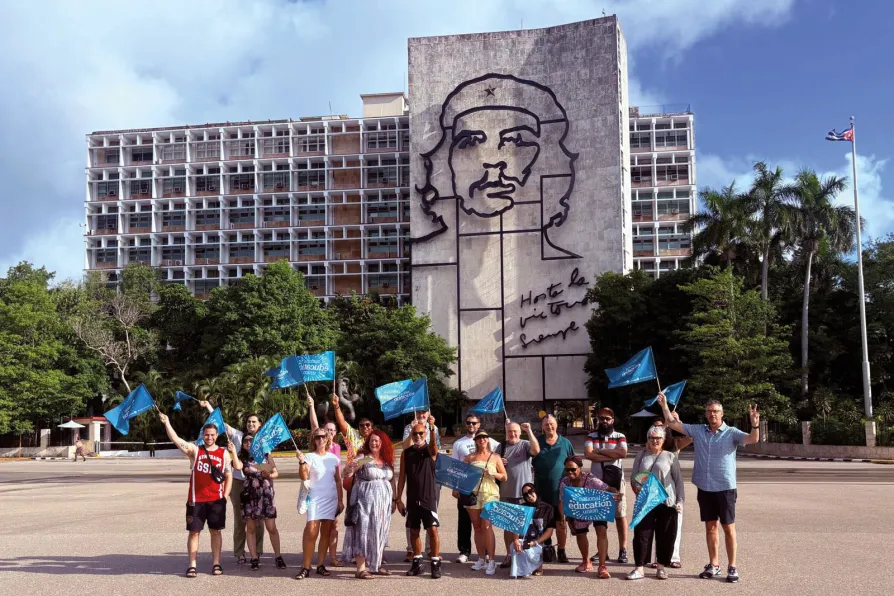
A teaching delegation to Cuba offered IAN DUCKETT a powerful glimpse into a schooling system defined by care, creativity and the legacy of the island’s remarkable 1961 literacy campaign