

 Latest editorial

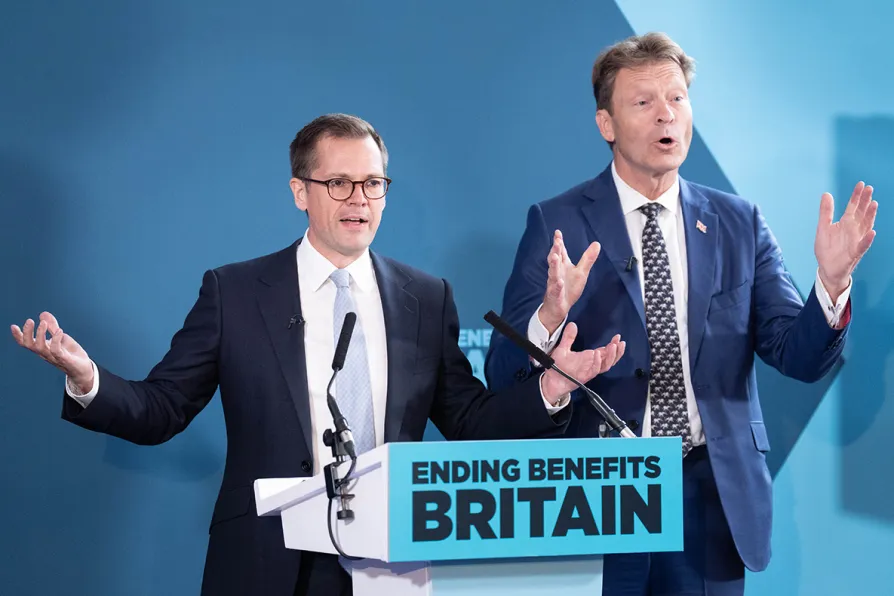





THE government made history yesterday as the first to accept a motion of “regret” to its own Queen’s Speech in a humiliating climbdown over TTIP.
David Cameron reluctantly accepted a cross-party amendment to his programme for government which called for the exemption of the NHS from the EU-US trade deal.
The Prime Minister stubbornly insists the NHS is not at risk from the investor-state dispute settlement that would allow companies to sue the government for lost profits if services are not privatised.

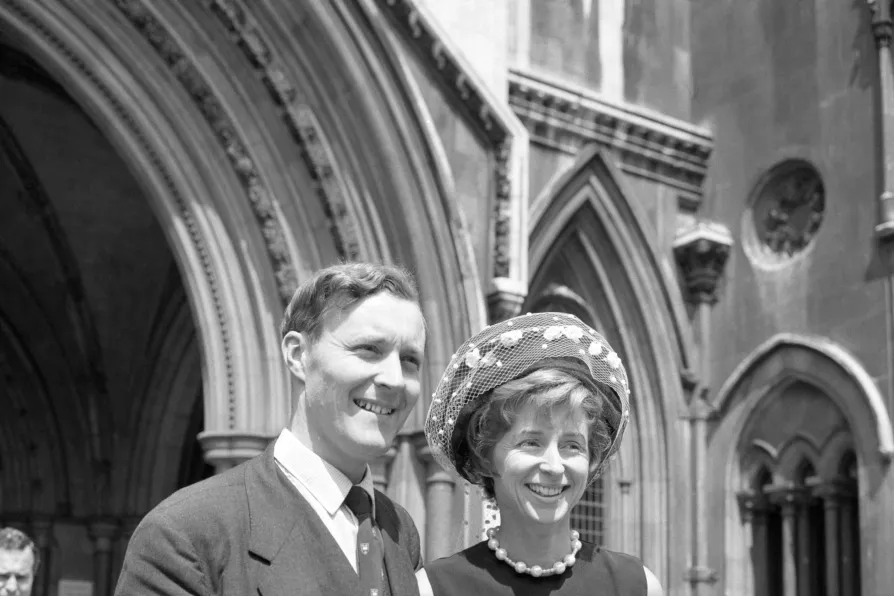
Tony Benn’s constituents chose him by an overwhelming majority — but because he had inherited a peerage, parliamentary rules declared their choice invalid, writes MAT COWARD
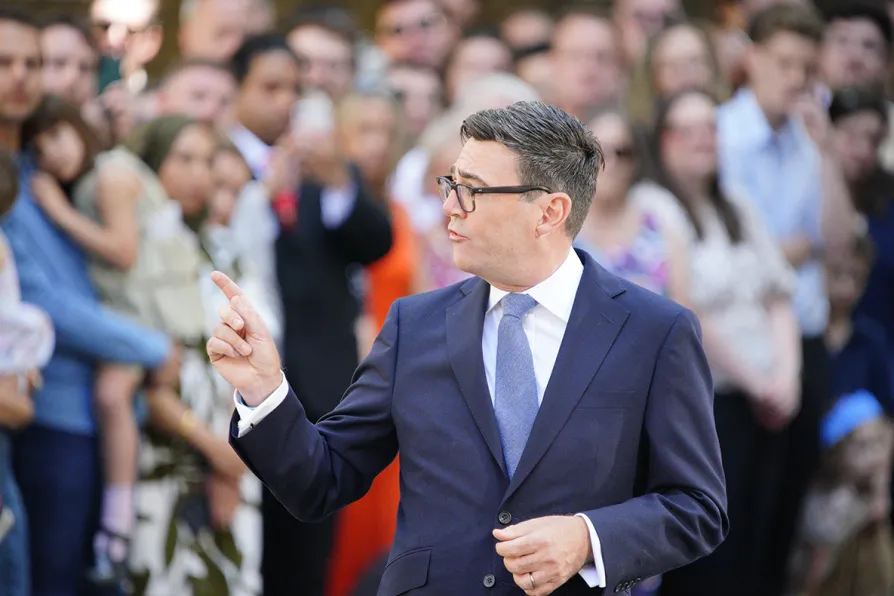
The new PM’s opening addresses offered hope, council homes and reform — but little detail on how any of it will be delivered, warns CLAUDIA WEBBE
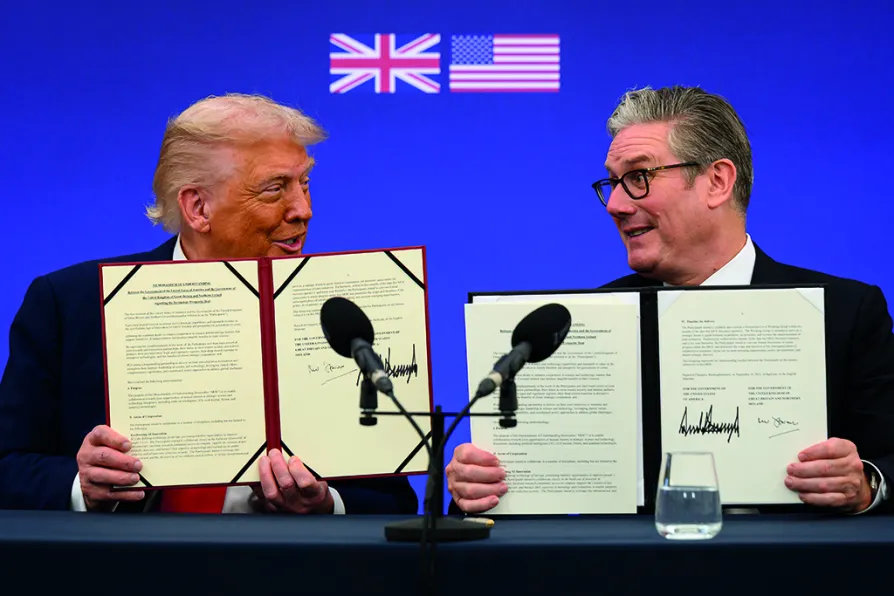
CLAUDIA WEBBE says the horrific price British patients will pay for this NHS deal is now clear — and there’s time to get out of it, if MPs will only force the issue
Politicians who continue to welcome contracts with US companies without considering the risks and consequences of total dependency in the years to come are undermining the raison d’etre of the NHS, argues Dr JOHN PUNTIS