The Labour government must deliver on its commitment to bring back privatised services into the public sector. This not only saves money but also creates accountability and generates wider social benefits, argues ANDY MCDONALD MP


 Latest editorial
‘The Employment Rights Act is not job done’ – union leaders and labour law experts demand more
Collective bargaining, a single status of worker and the right to take solidarity action key themes of packed Institute of Employment Rights-Campaign for Trade Union Freedom fringe meeting at TUC 2026
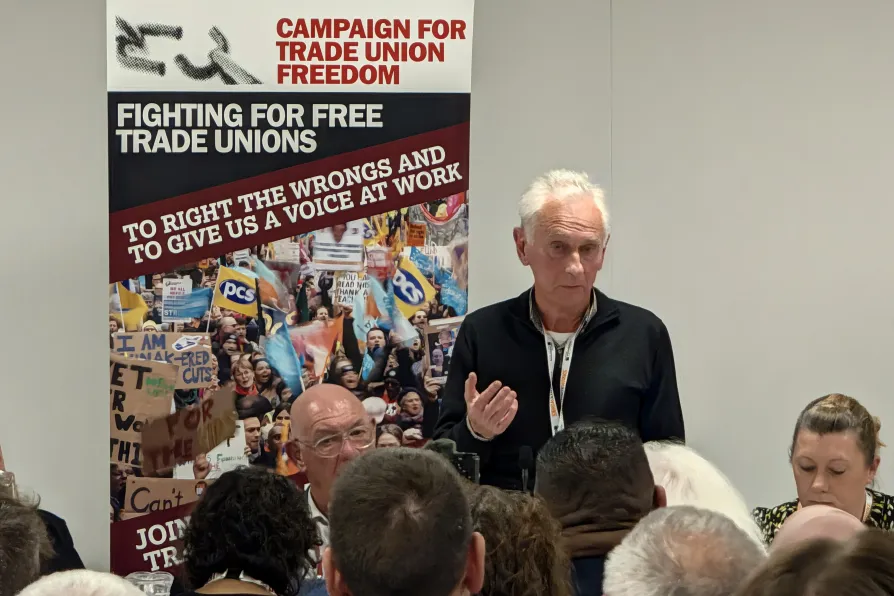 Professor Keith Ewing addresses the fringe meeting
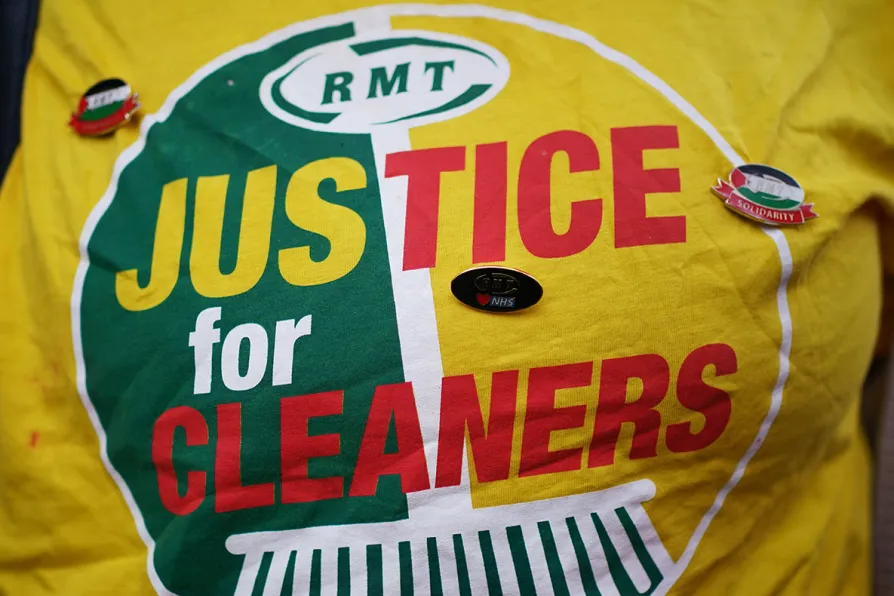
PCS is demanding the long-overdue return of essential services to public ownership, explains FRAN HEATHCOTE
Despite promises of a new era of insourcing, billions of pounds of public contracts continue to flow to private firms. Unions are now calling for urgent action to bring services back in-house, says EDDIE DEMPSEY
Public ownership of Great British Railways has enormous potential to improve our railway network, but that can’t happen unless jobs, employee rights and union recognition is at the heart of the transition, argues MARYAM ESLAMDOUST
If Labour is genuinely committed to supporting working-class students it must act urgently to reverse the funding crisis affecting universities and colleges, JO GRADY tells Christophe Domec
Challenges from the unscrupulous misuse of AI to steal actors’ voice and physical likenesses is being met with a firm union response, writes LYNDA ROOKE





THE biggest challenge facing the trade union movement is that of growth, Professor Keith Ewing warned a packed Institute of Employment Rights-Campaign for Trade Union Freedom fringe meeting during TUC Congress 2026.
“When we look at the figures — on trade union membership overall, the level of collective bargaining coverage, the levels of industrial action taking place, these are all at historic lows.
“Trade union membership is now about 22 per cent of the working population, so just one in five workers. When I started work it was something like 60 per cent. Your next-door neighbour, the people sat next to you on the bus, were likely to be trade union members” (which is no longer the case).
“Collective bargaining coverage is now about 26 per cent of the workforce. When I started work that was 82 per cent.
“And while it’s not necessarily a good thing when people are on strike, the low levels of industrial action is a worry because it shows a low level of activism in the workforce.
“It is not because people are satisfied with their wages or the tribunals they can go through to enforce their rights — that is self-evidently not the case.”
Ewing pointed to holes in the Employment Rights Act 2025 including over access rights — since the Act gives unions the right to request access agreements, but not actual rights of access — the failure to introduce sectoral collective bargaining across the economy and the continuing ban on solidarity action.
Fellow labour law expert Lord John Hendy KC said securing sectoral collective bargaining should be unions’ priority when addressing the new Labour government.
“Three-quarters of our workforce have got no union to represent them, no means of negotiating their pay, terms and conditions, and are completely at the mercy of the labour market.
“In order to solve the cost-of-living crisis we have to get unions back into a position where they’re negotiating for the vast majority of workers in this country. If Andy Burnham wants to know how to solve it, it’s very simple — put more money into the pockets of working-class people, which can only be done by collective bargaining on a grand, sectoral scale.”
Communication Workers Union general secretary Dave Ward said the current block on securing sectoral bargaining was as much down to disunity within the unions as reluctance from government.
“Some of us believe the way you do this is through us all working together as a collective; and some that you can crack the likes of Amazon, these big multinationals who are taking the piss out of workers in this country, on their own.”
Unions needed to come together to set standards for industries where employers drive a race to the bottom on pay and conditions, rather than risk being turned against each other with sweetheart deals, he said.
Ward said he welcomed Burnham’s promise to deliver the biggest change in 40 years, but it would be impossible unless the new Prime Minister is prepared to take on vested interests — and “we’re going to have to take on the vested interests in the trade union movement as well.”
Public and Commercial Services union leader Fran Heathcote said the government “talked the talk but barely walks the walk” on collective bargaining, welcoming the new structures covering pay and conditions for teaching assistants and care workers but asking why the government could not arrange it in “its own back yard,” the Civil Service.
“We are direct government employees but we have delegated pay bargaining — that means there are over 200 sets of pay talks that take place every year over the same money.
“So the government doesn’t have collective bargaining in the one industry it completely controls!”
Retail union Usdaw’s Joanne Thomas said the Employment Rights Act “is the biggest uplift for workers in a generation, and we celebrate that but we should take credit for that as well,” given it grew out of the trade unions’ New Deal for Workers.
“But it is not ‘job done. The Act needs to be implemented in full, and that cannot be the end when it comes to bringing power back to workers.”
She called for unions to keep up pressure on the government to counter the constant pressure from employers and the right-wing media to water down the Act.
The fringe meeting, which took place on the first evening of Congress, saw speakers back demands for a second Employment Rights Act to plug gaps in the first, with sectoral collective bargaining, a single status of worker and the restoration of the right to solidarity action — banned by Thatcher — key parts of undoing the “wrong course” the Prime Minister has admitted Britain has been following for over four decades.

Similar stories
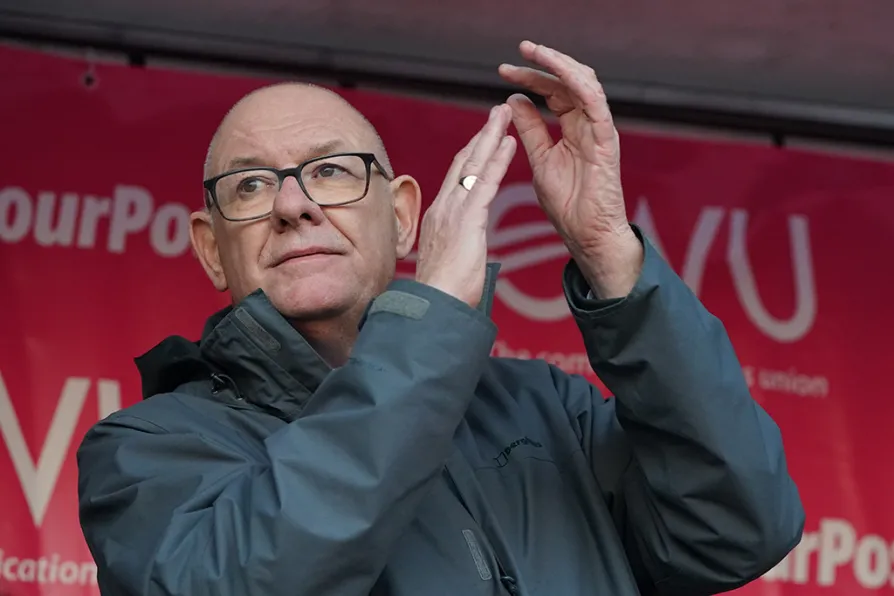
DAVE WARD of the Communication Workers Union says unions must step up to meet the challenges of a transformed world of work
![Durham Miners' Gala 2026 [Pic: Neril Terry]](https://msd11.gn.apc.org/sites/default/files/styles/desktop/public/2026-07/SSS_20260711_DURHAM_MINERS_GALA_0-17.jpg.webp?itok=aLX58nf7)
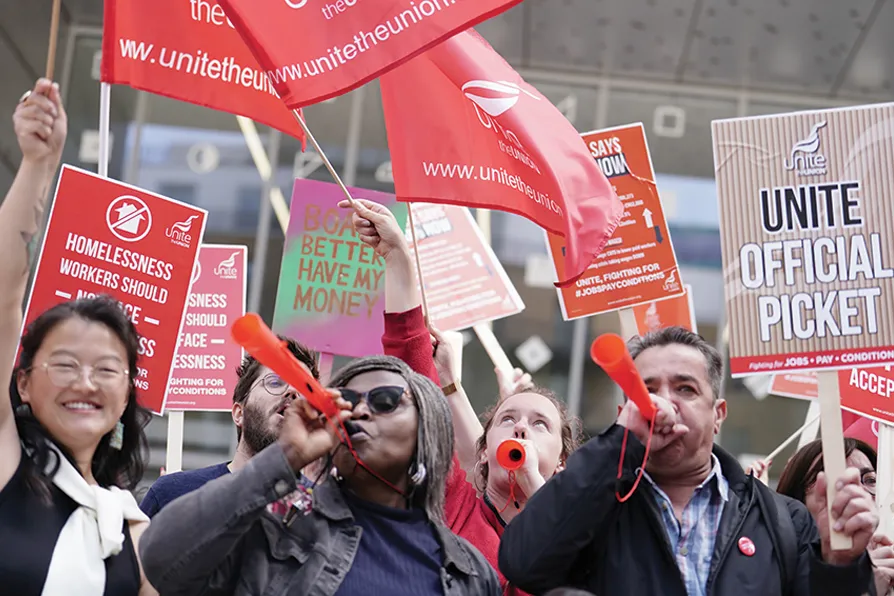
The unions are unhappy with the Employment Rights Act 2025 and with good reason. KEITH EWING and Lord JOHN HENDY KC take a close look at why the Bill promised more than it delivered

Labour’s long-promised Act has scraped through the Lords. While the law marks a step forward, its lack of collective rights leaves workers short-changed — and sets the stage for a renewed campaign for an Employment Rights Bill #2, argues TONY BURKE