


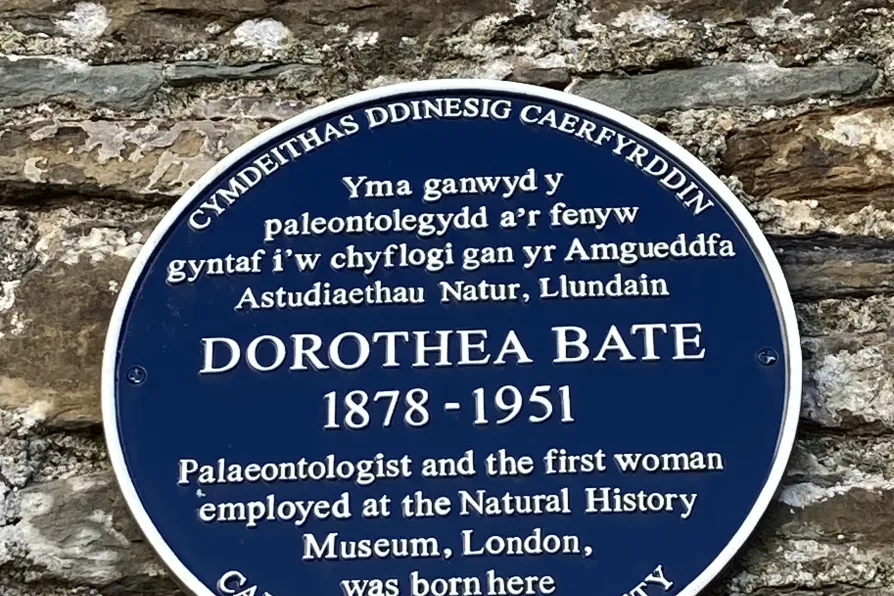
 Dorothea Bate's blue plaque in her birth place in Carmarthen Pic: CC/MumphingSquirrel






A PIONEERING self-taught female fossil hunter has been recognised with a blue plaque.
Dorothea Bate was one of the first women to be employed by the Natural History Museum in London and “transformed our understanding of prehistoric animals and ancient environments” through her research, Historic England said.
She died in 1951 aged 72 and is now being recognised with a plaque at the Natural History Museum’s site in Tring, Hertfordshire, which she ran from 1948.
Bate was born in Carmarthen, Wales, in 1878 and developed a fascination with the natural world from an early age. She moved with her family to rural Gloucestershire where she spent hours hunting for fossils in the surrounding countryside and caves.
In 1900 she asked for work behind the scenes at the Natural History Museum, starting an association with the institution that would last more than 50 years.
She published her first scientific paper, titled “A short account of a bone cave in the carboniferous limestone of the Wye Valley,” in 1901.

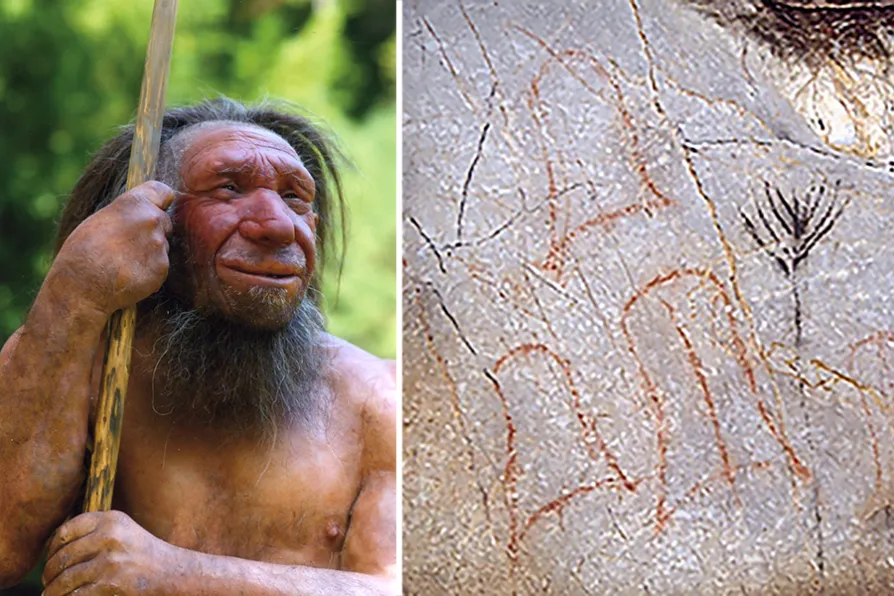
BENJAMIN POTHIER suggests that Palaeolithic cave paintings in Spain point to the ceremonial use of hallucinogenic flora
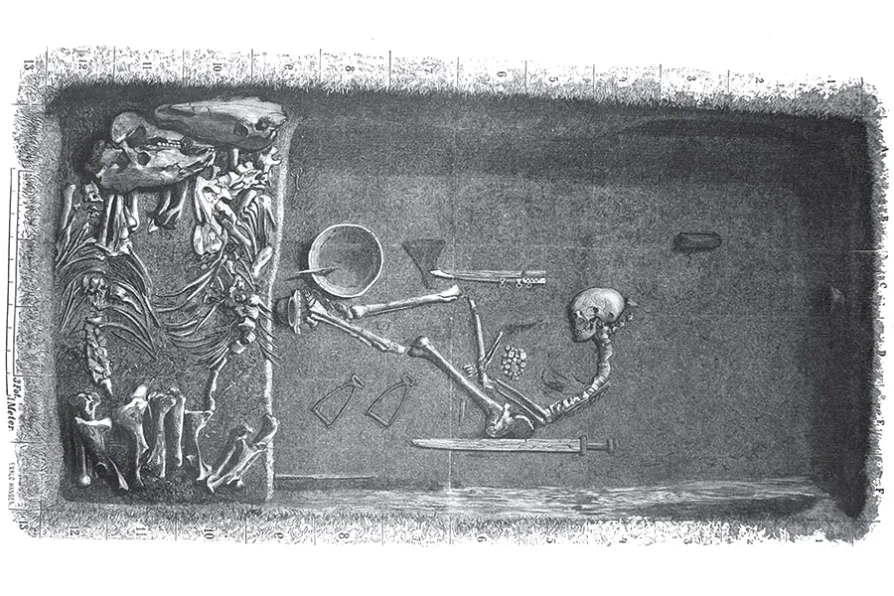
Reducing historical lives to ‘male’ and ‘female’ roles, we lose the nuance of those lives and a clearer understanding of past societies, suggests CLAIRE ISABELLA GILMOUR
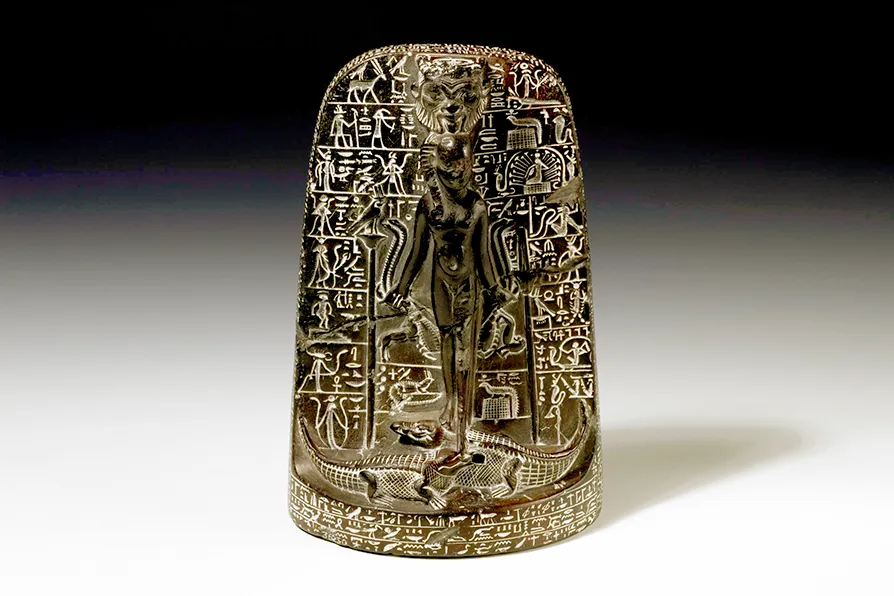
CHRISTIAN KNOBLAUCH is thrilled by the response of children to the presence of artefacts from the British Museum in their classrooms

STEPHEN BELL reports from a delegation that traced the steps of China’s socialist revolution from its first modest meetings to the Red Army’s epic 9,000km battle to create the modern nation that today defies every capitalist assumption