

 Latest editorial

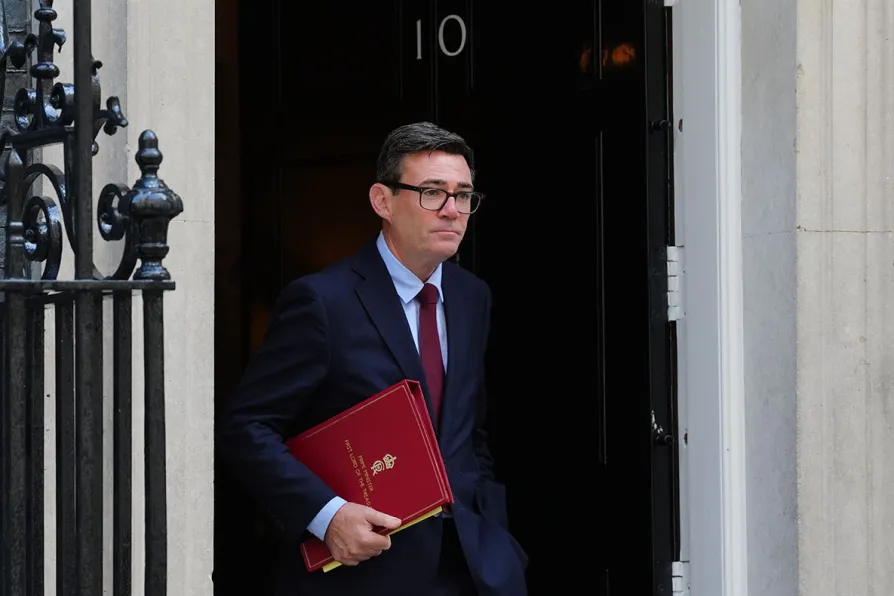





THE NHS will offer free cholesterol tests in high-street pharmacies in England in plans to spot “ticking timebombs” to prevent heart attacks and strokes before they happen.
Seven-minute finger-prick blood tests will be available starting this autumn, England’s chief pharmaceutical officer announced yesterday.
David Webb told the European Society of Cardiology’s annual congress in Munich that it will will be the first scheme of its kind around the world.
“By making it easier for people to get a quick and convenient cholesterol health check on their local high street, we can spot ticking timebombs earlier,” he said.
It follows a pilot programme in north London which tested 2,493 patients, with 19 per cent of them found to be at high risk of a stroke or heart attack within a decade. They were given treatment and advice to reduce the risk.
The first phase will see about 100 pharmacies offering the test this autumn.

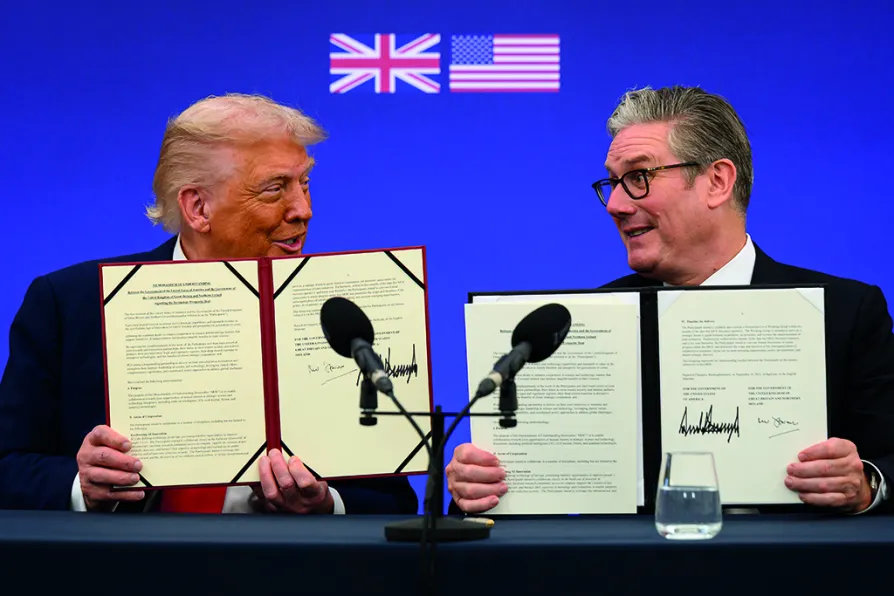
CLAUDIA WEBBE says the horrific price British patients will pay for this NHS deal is now clear — and there’s time to get out of it, if MPs will only force the issue
Politicians who continue to welcome contracts with US companies without considering the risks and consequences of total dependency in the years to come are undermining the raison d’etre of the NHS, argues Dr JOHN PUNTIS