Latest editorial
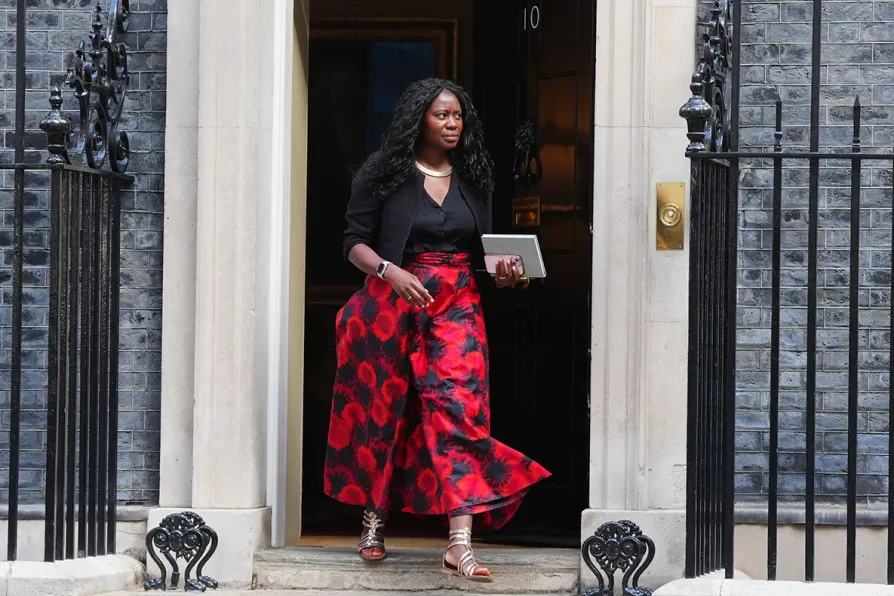
 Energy Secretary Miatta Fahnbulleh arrives at BBC Broadcasting House in London, July 12, 2026





“I CAN’T control wars in the Middle East that we weren’t a part of, which impact families here,” explains Energy Secretary Miatta Fahnbulleh.
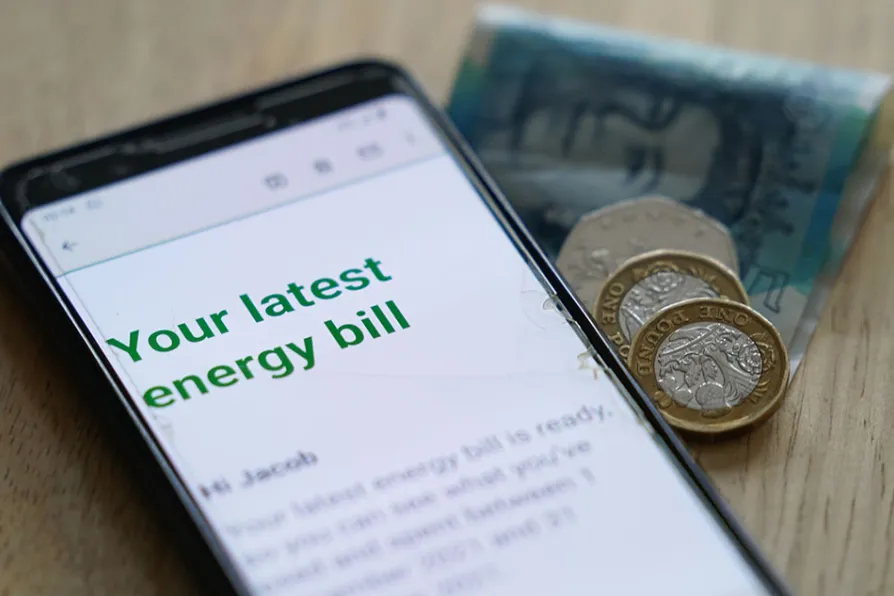
She was trying to abdicate any government responsibility for the latest hike in household energy bills announced today by Ofgem regulators. From October, the price cap on gas and electricity units is to be raised by 4 per cent. This comes on top of the 13 per cent increase imposed for the current July-October term.
Barring an unlikely cut in prices very soon, this means the typical household energy bill will be £60 or more in 2026, the highest for three years at around £1,723.
Ms Fahnbulleh’s apologetics comprise one fatuous truism, one blatant lie and one unacceptable truth.
The fatuous truism is that she cannot control wars in the Middle East. Whoever imagined she could?
No, the carnage visited upon the peoples of Iran, Lebanon and the Gulf states is directly attributable to the US and Israel, our “free world” allies with whom — we are so frequently reminded — we share so many “common values.”
Does the new-look British government condemn the unprovoked mass murder and international economic chaos unleashed by the war criminals President Donald Trump and Prime Minister Benjamin Netanyahu? Of course not. Nothing has changed in this respect since the second coming of Andy Burnham.
Do we place sanctions on the bomb-happy regimes in Washington DC and Tel Aviv? No, but Britain continues to sanction 24 other countries and governments around the world, many for far lesser crimes and misdemeanours.
Fahnbulleh’s blatant lie is that Britain is not complicit in Middle East wars, which — among other consequences — have driven up international oil and gas prices.
British military bases in England, Cyprus and Diego Garcia have been used by US air and naval forces to attack Iran and Yemen. RAF fighter jets have carried out hundreds of surveillance missions over Gaza, Lebanon, Iran and Yemen. They also shot down Iranian drones aimed at US, British and other military targets in Israel, Iraq, Jordan and Syria.
Britain continues to export military components to equip Israel’s genocidal war machine, many of them trafficked through Israeli firms and agents here with little or no regulation (see this week’s Private Eye for details). Hundreds of British residents have participated in the slaughter of Palestinian civilians, enrolling in the IDF with an impunity refused to British volunteers joining pro-Russian militias in Ukraine.
Then we come to the Energy Secretary’s unacceptable truth.
Energy price rises have hit millions of consumers not only financially, but also in terms of their quality of life, health and well-being.
That’s something she and her government can control, if they have the will.
They could disband the farce that is Ofgem, freeze energy prices — already among the highest in Europe — and tax monopoly profits (£70 billion to shareholders since 2010). Then, go on the offensive and take the whole energy sector back into public ownership. Use surplus revenues to invest in solar, tidal and wind power.
This would force Reform UK and the Tories to defend the privatisation and profiteering rackets.
Should weak-kneed Labour MPs baulk at the prospect of such a struggle, Burnham could deliver the appropriate riposte: “Back me or sack yourselves at the next general election.”

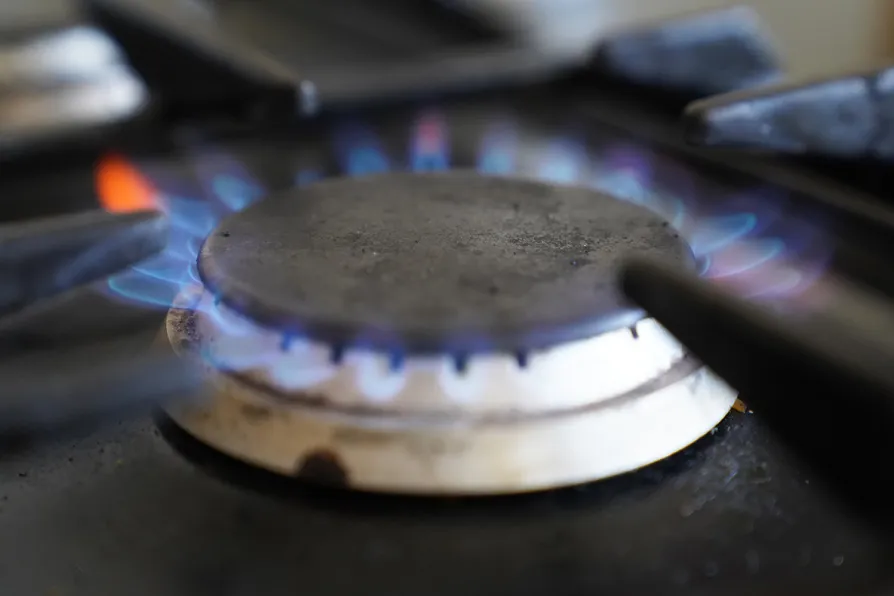
TUC calls for tax increase on bank profits to pay for social tariff to cut household bills