Latest editorial

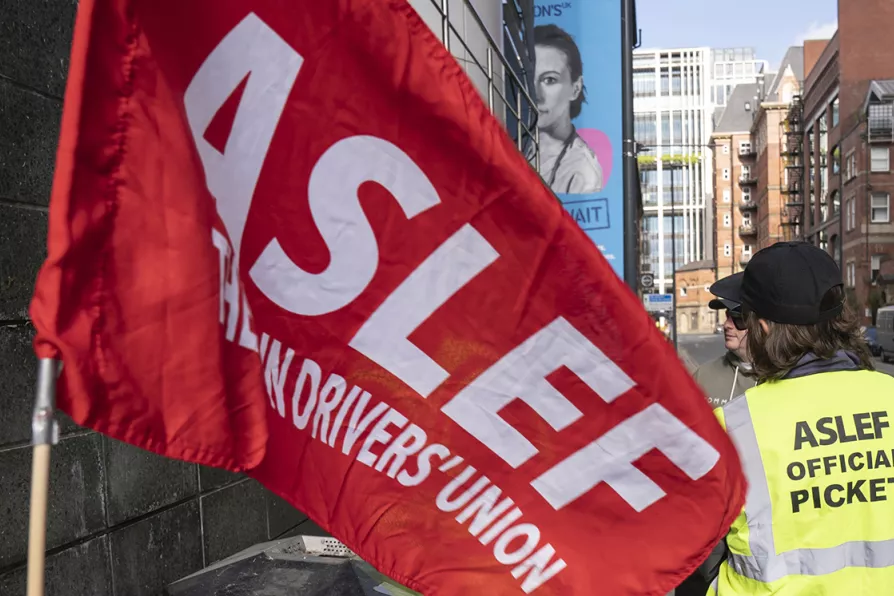
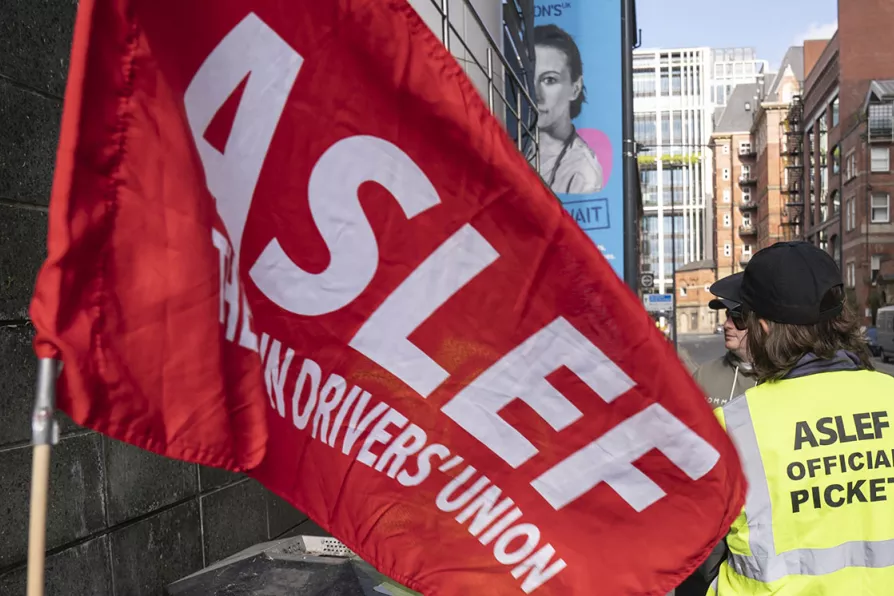 Members of the Aslef union on a picket line near to Leeds train station, June 3, 2023





TRAIN drivers’ union Aslef called today for a government commitment that all new rolling stock on the railway be publicly owned.
Rolling stock means the trains themselves — locomotives and carriages. In Britain, it is standard for neither the government nor the train operating companies to own the trains they use. They are leased at great expense from private rolling stock companies, who raked in £4.1 billion from the arrangement in the 2024-25 financial year.
Launching a union campaign to end it, Aslef general secretary Dave Calfe said: “Huge sums of money are being taken out of our railway in profits and dividends by private rolling stock companies. A lot of it ends up in offshore tax havens.
“We need to keep that money on the track, not send it offshore.
“We’re calling on the government to commit to public ownership of all new rolling stock.”
Labour is bringing franchised passenger rail services into public ownership with Great British Railways. The majority of the railway infrastructure — including the track and most of the stations — is already publicly owned through Network Rail.
Aslef says that publicly procuring rolling stock could cut the cost to the public of new stock by 40 per cent, and would be good for the environment, as rolling stock companies keep outdated, polluting trains in service to maximise their profits. It would also help keep skilled manufacturing jobs in Britain, including at sites like Alstom in Derby.
The Department for Transport was approached for comment.

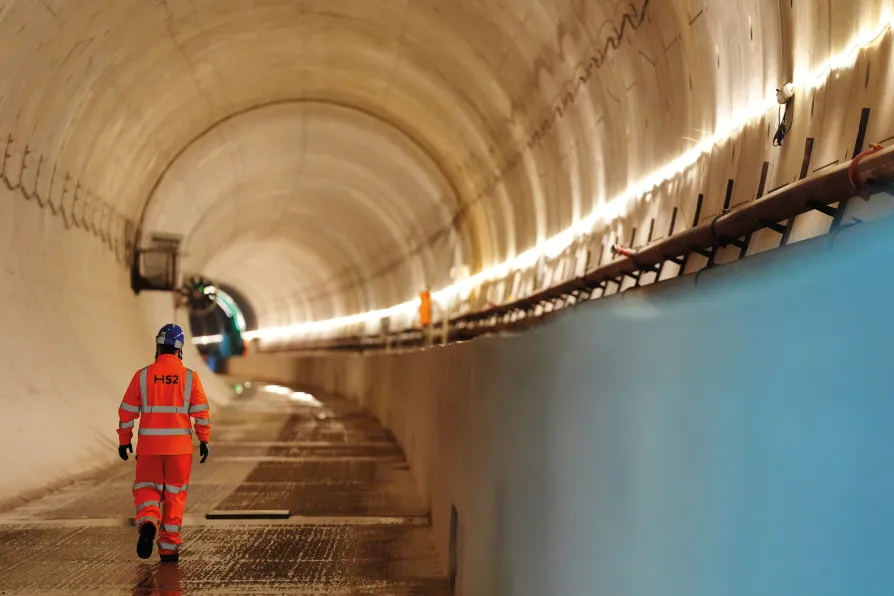
The HS2 debacle exposes what happens when public infrastructure is handed to private contractors – especially when set against China’s state-led high-speed rail success, says CARLOS MARTINEZ