

 Latest editorial
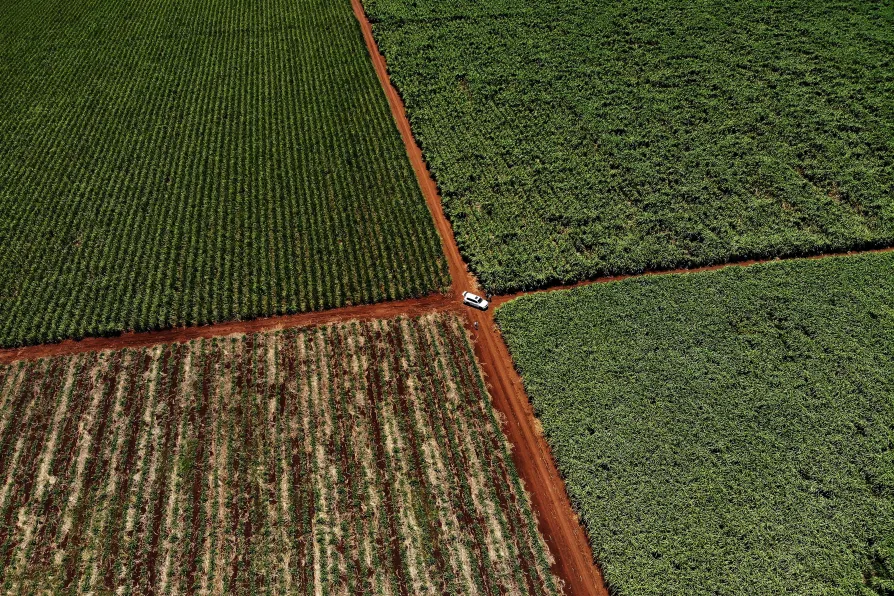 Farm workers harvest sugar cane on the property of Charles Senekal near the South African town of Mkuze, Kwazulu-Natal






AFRICAN nations have been urged to step up preparations for what could become one of the strongest El Nino events on record, say scientists.
Climate scientists issued a warning on Thursday that heavy rains, floods, droughts and other extreme weather conditions could trigger widespread humanitarian and economic impacts across the continent from October.
The scientists say their forecasts point to the likelihood of a strong El Nino developing later this year, prompting governments and regional institutions to accelerate disaster preparedness measures to reduce the risks posed by flooding, food insecurity, water shortages and disease outbreaks.
According to the World Meteorological Organisation (WMO) forecasts from leading global climate centres indicate that seasonal-average sea-surface temperature anomalies are expected to exceed 2.9 degrees Celsius in key monitoring regions, signalling the development of a strong El Nino event.
The WMO also forecasts a positive Indian Ocean Dipole, a climate pattern in which the western Indian Ocean is warmer than average while the eastern Indian Ocean is cooler.
Combined with a strengthening El Nino, the two climate phenomena are expected to intensify weather extremes, increasing the risk of drought and flooding, particularly across African countries bordering the Indian Ocean basin.
Moses Vilakati, the African Union commissioner for agriculture, rural development, blue economy and sustainable environment, warned the projected El Nino could be the strongest since 1950.
Many regions across the continent, he warned, are likely to experience severe droughts, devastating floods, prolonged heat waves, disruptions to food production, water shortages, disease outbreaks and increased humanitarian needs.
Mr Vilakati said: “These impacts will not only affect vulnerable households; they will also place considerable pressure on national economies, public finances and regional stability.”
He said lessons from the 2023-24 El Nino, which affected more than 71 million people across southern Africa, should serve as a call for urgency, preparedness and collective action.
That El Nino led to devastating floods, displaced communities and destroyed infrastructure.

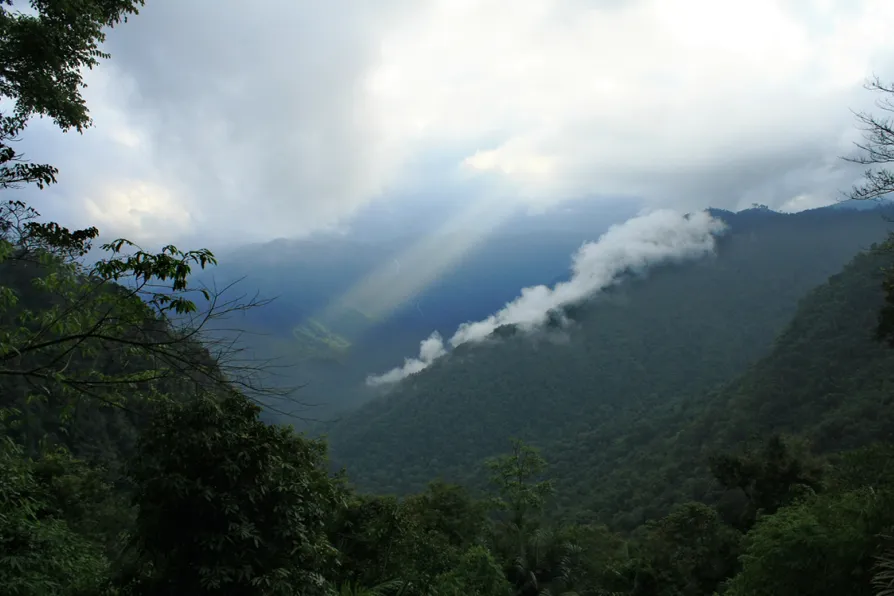
India’s monsoon is running below normal overall, yet extreme rainfall has already caused deadly flooding in Kerala, explains LIGIN JOSEPH

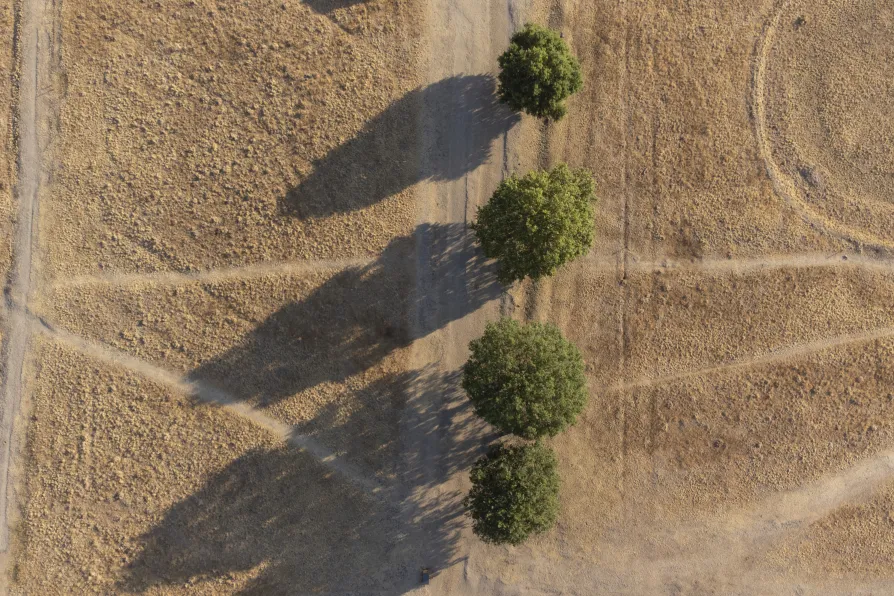

Extreme heat is now one of the defining public health challenges of a warming world, explains Prof IAN WILLIAMS