
Andy Burnham’s leadership will be judged on whether he charts a genuinely different course, argues BECK ROBERTSON


The gardener’s guide to winning the war with carrots
Carrots often seen as a tricky vegetable to grow, but a few simple strategies can make all the difference, says MAT COWARD
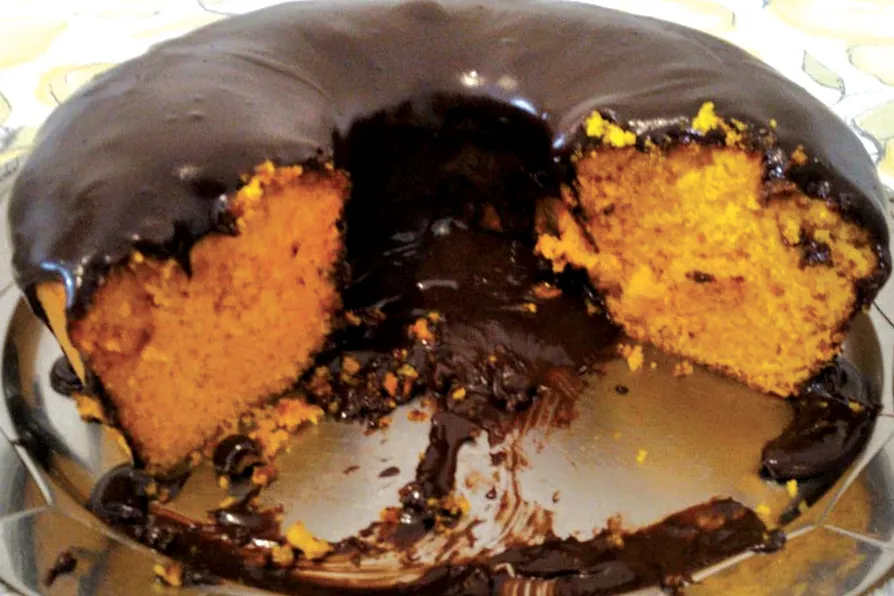
 A Brazilian Carrot cake topped with chocolate ganache / Pic: Pedro Toniazzo Terres/CC

While Italy’s communist tradition remains fragmented and politically marginal, France’s party is attempting to re-establish itself as an independent force rooted in working-class organisation, says NICK WRIGHT
Critics of UBI underestimate both its political significance and its economic potential, writes BERT SCHOUWENBURG
As Ontario burns, campaigners are demanding action – not more pipelines, says DAVE McKEE
Innovation in biotechnology is changing how we conceive of meat, say ROX MIDDLETON, LIAM SHAW and MIRIAM GAUNTLETT of SCIENCE AND SOCIETY





WHEN I first started growing vegetables I asked an old guy on the allotments if he could give me any advice about carrots. He thought about it for a while, and then he told me this: “Carrots are a b***er.”
I had been hoping for something a bit more specific, but I can’t argue with his basic premise. Carrots are only easy if you garden on a soil that suits them perfectly — and I’ve never met anyone who does. Over the years, though, I have learned a few ways to increase the chances of success.
First, I don’t sow my main crop of carrots until June. This is leaving it pretty late, but it does mean that the ground should be warm enough to allow the seeds to germinate rapidly and uniformly.
Cold soil, or even cool soil, can lead to the seedlings appearing slowly and in patches, or not at all. If possible, it can be a good idea to cover the area with a cloche or small plastic tunnel for a week or so beforehand.
There are countless different cultivars of carrot seed on offer, and they vary in the shape of the final root. Ideal soil for this vegetable is sandy loam, light and loose, deep and with exceptional drainage. As carrots grow downwards they need to push the earth aside and not to encounter stones or compacted clay.
For most of us in this country that perfection is unobtainable, which is why many people find comparatively short, fat carrots easier to grow than long, thin ones. The seed catalogue description will usually describe those varieties as “stumpy,” and the best known stump-rooted carrot is probably Autumn King which is considered reliable, tasty and hardy, and known for producing large roots.
Carrots are classed as a drought-resistant crop because of their deep roots, and over-watering is more likely to cause trouble than underwatering.
The exception to that rule is during their very early life. As soon as the seedlings appear, and until they’re a couple of inches (5cm) tall, I like to keep them well watered. My experience has been that if you can get your carrots to grow quickly at every stage then many of the problems associated with them disappear, or are at least reduced.
At the same time, beyond that narrow strip of soil in which the seedlings are sitting I want the ground to be as dry and dusty as possible so as not to make life easy for slugs and snails.
The other creature which can ruin a crop of carrots is the carrot fly. I’ve had pretty good results over the last few years with a fly-resistant carrot called Flyaway — it suffers much less damage than others, and has a decent flavour. But the only foolproof method I know of is to cover the row with horticultural fleece from sowing until harvest, which unfortunately adds extra effort and expense to the aforementioned b***eration.
