Latest editorial

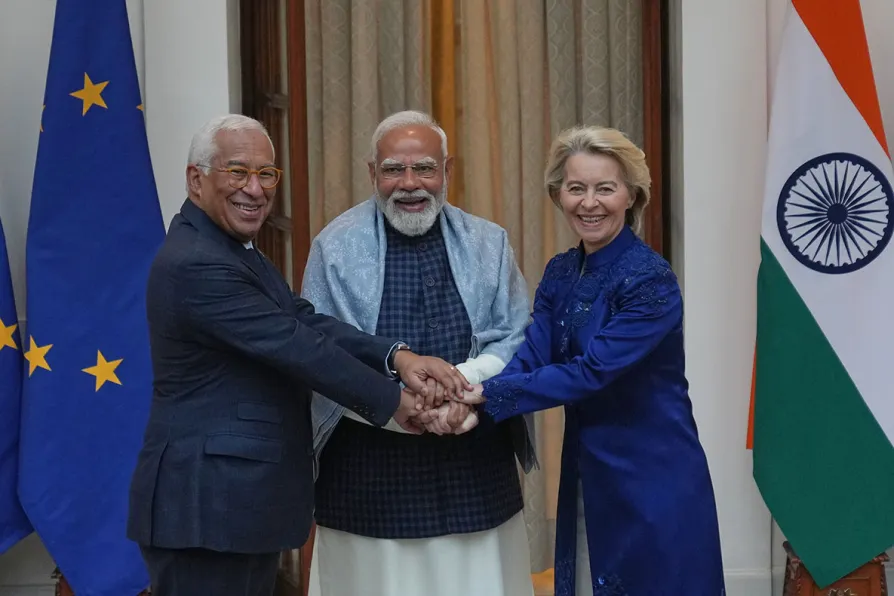 Indian Prime Minister Narendra Modi (centre) welcomes European Council President Antonio Costa (left)and European Commission President Ursula von der Leyen before their meeting in New Delhi, India, January 27,2026





INDIA and the European Union announced yesterday a long-awaited free trade agreement on economic and military ties after nearly two decades of negotiations.
The accord, described by European Commission president Ursula von der Leyen as the “mother of all deals,” will affect markets representing around two billion people and a quarter of global GDP.
India and the EU also agreed on a deeper military framework.
Indian Prime Minister Narendra Modi claimed the agreement would “bring major opportunities for the people of India and Europe” and help strengthen stability at a time of “turmoil in the global order.”
The deal will remove tariffs on most goods traded between India and the EU’s 27 member states, covering sectors from textiles and medicines to automobiles and wine, while also cutting billions of euros in annual duties for exporters.
Both sides said the agreement was given fresh momentum by rising global trade tensions, including steep US tariffs.
Formal signing is expected later this year, after legal review and ratification.

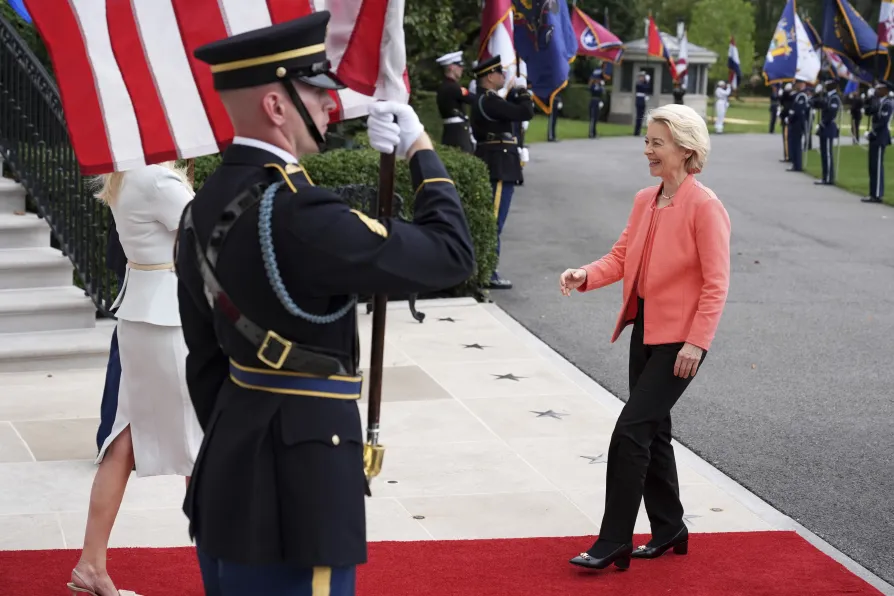
US tariffs have had Von der Leyen bowing in submission, while comments from the former European Central Bank leader call for more European political integration and less individual state sovereignty. All this adds up to more pain and austerity ahead, argues NICK WRIGHT