

 Latest editorial

Labour announces largest policing overhaul in 200 years, including the creation of a ‘British FBI,’ sparking human rights concerns
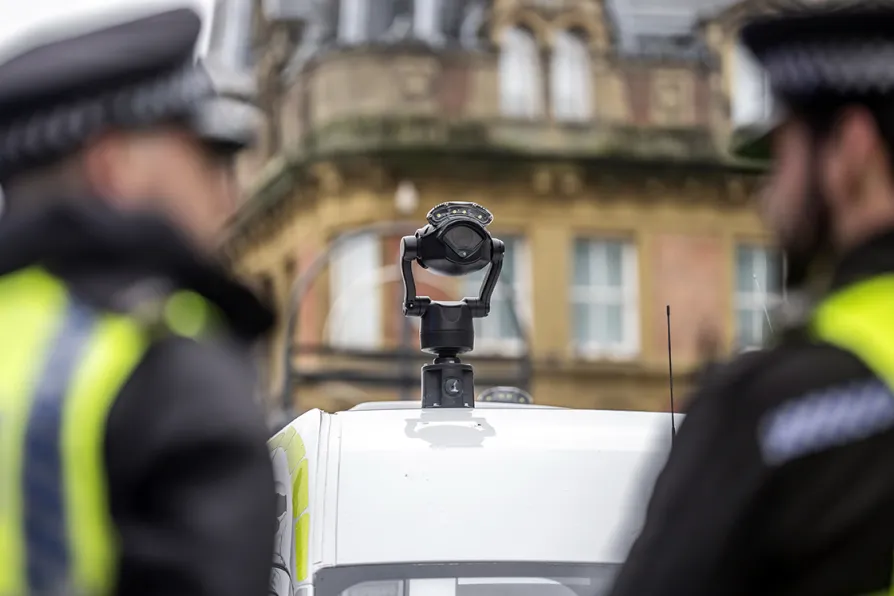 A camera on top of a Live Facial Recognition (LFR) van deployed on Briggate in Leeds, as West Yorkshire Police use the facial recognition technology for the first time in Yorkshire, November 11, 2025
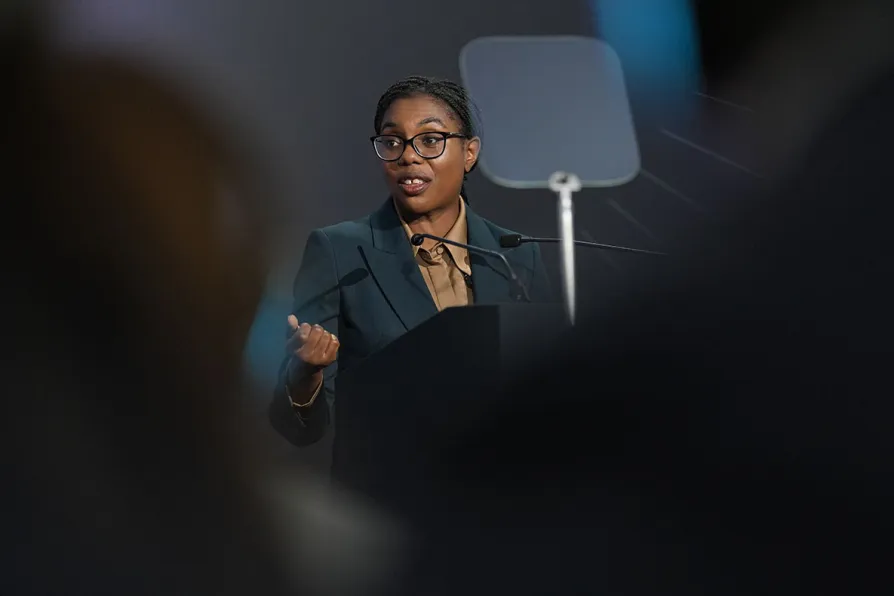





LIVE facial recognition technology will be rolled out across the country under plans for the biggest overhaul in policing in nearly 200 years.
MPs, unions and campaigners voiced civil liberty fears as Home Secretary Shabana Mahmood set out plans to slash the number of police forces and create a new National Police Service (NPS) dubbed the “British FBI.”
An existing 10 vans will rise to 50, rolled out nationwide, to catch criminals on police watchlists and will be overseen by a national centre on artificial intelligence (AI).
The move comes as part of major changes revealed in the government’s white paper on police reforms.
Ms Mahmood told the Commons: “Today we have policing happening in the wrong places; we have local forces responsible for national policing distracting them from policing their communities.
“We will ensure that every force is adopting the latest technology, led out by the new National Police Service (NPS).
“This will include the largest ever rollout of live facial recognition technology across England and Wales, we know this approach works.”
She compared civil liberty concerns over the technology with those who “decried” the introduction of finger-printing into policing, adding: “I have no doubt that the same will prove true with facial recognition.
“At the same time, we will be launching police.ai — investing a record £115 million in AI and automation to make police more effective and efficient.”
Plans already announced also include a new “licence to practice” for police officers, and powers for the home secretary to sack underperforming chief constables and intervene in failing forces.
In the Commons, Labour MP for Hackney South and Shoreditch Dame Meg Hillier pointed out how Ms Mahmood will avoid local forces being pulled into police “national demonstrations.”
The minister said that “too many of our police forces distracted … including potentially national issues relating to public order.
“All of those functions will ultimately sit within the new NPS. In the interim, I will appoint a special command to deal with public order policing in particular to make sure we have a consistency in approach across the whole country.”
Labour MP for Lambeth Bell Ribeiro-Addy asked for assurances the increased police powers will not exacerbate racial profiling.
Ms Mahmood said: “The rollout of all policing powers including the use of technology will be made sure is in line with the race action plan and that any measures are stress tested to make sure they serve all communities equally.”
Defend Our Juries has organised peaceful protests against the banning of the Palestine Action direct action group that have seen more than 2,700 people have been arrested since July.
A spokesman said: “Nobody in Britain wants an Americanised law enforcement system, where freedoms are routinely trampled and excessive violence and death at the hands of the authorities appears to be a daily occurrence.
“The top priority for the Home Office should be to stop branding protesters as terrorists, end the arrest and prosecution of thousands of people for peaceful sign-holding, and lift the ban on Palestine Action.”
Unions warned the proposed reforms will need “significant” investment amid already overstretched workforce.
Unison national officer for policing Ben Priestley said: “Any effective reform of police services will need significant investment.
“Forces are on course to be £1 billion short of their current budget needs by 2027, which means vital police staff jobs are already being cut.
“Mergers are expensive and won’t bring about short-term savings.
“Police staff and the public will want reassurances vital local services and democratic accountability of the police aren’t going to be weakened by the changes.
“Proposals for a strategic workforce plan, an end to police officer number targets and the rebuilding of neighbourhood policing are good news.
“There’s a real opportunity here to improve the training, development, career prospects and pay for police staff.”
Public and Commercial Services union general secretary Fran Heathcote said: “PCS members working across the Home Office are already overstretched and dealing with serious workforce shortages, unresolved disputes and chronic under-resourcing.
“Before announcing new national policing structures, the government must explain how existing services will be properly staffed, funded and supported.
“Creating a ‘British FBI’ cannot come at the expense of the civil servants and front-line staff who are already struggling to deliver under intense pressure.”
